When I think of hard travel, I think of sailing ships and stage coaches and weeks or months passing between communiques. I think of unimaginable language barriers and dietary shifts. I think of cultural differences that must have felt like being on a different planet. Yet (like with most things in my life), I also think of Mark Twain: “One must travel, to learn.” (1867, Innocents Abroad) Twain relished in his long voyages. He was a true citizen of the world. Oh, how I wish I could have known him and shared a cigar and whiskey with him anywhere in the world!
By the time I started traveling, the world had shrunk exponentially from the days of Twain and before. Few places on the planet could not be reached, first by air, and then a mere day or two overland or by rail. Electricity allowed telegrams to be sent around the world in seconds. Phone calls were possible but very expensive, so our favorite means of staying in touch was the picture postcard and a 3¢ stamp. I did not leave North America until the 1990s … though I had most of the U.S. and lots of Canada and Mexico under my belt by then. I traveled by car (50-mph 2-lane highways passing through every town on the map in the days before Interstates), rail (with its storybook elegance, comfort, and great food), and air. Jetliners entered service in the late 1950s, but I vividly remember the days of DC-3s, Convair 440s, and the Constellation. My dad used to love to sit in the back, living room-like section of the giant “Constellations” where he could have a cocktail, smoke cigarettes, and shoot the breeze with fellow travelers. Those were the days when people dressed up to fly; every seat included an ash tray; and every service included a 4-pack of cigarettes. My grandfather traveled 11-months a year selling textiles across the US. He didn’t smoke, and at the time, the airlines did not put many limits on the number of “miniatures” travelers could take, especially frequent travelers like my “Gramps.” My Grandmother had a drawerful those little 4-packs, and the hall closet in their Manhattan apartment was literally filled with miniature liquor bottles. (And she had another drawerful of matches from restaurants and hotels across the country.) Their apartment was a fine place to be in my late teens and early 20s.
In some ways, travel has not changed much since then. 9/11 messed things up pretty badly by requiring atrocious levels of security. Commuter jets and small planes now fly to virtually every corner of the world, meaning that the entire population of the planet lives within a day or two of each other. That’s crazy! My great pal Jim Duffy and I have mused about the economic activity that air travel alone has spawned, from jetways to computerized conveyor systems, to tractors that exist only on the tarmac, to 20-foot-wide snowplows.
In other ways, the changes have been tectonic. In the late 1990s, I took my first work trip to the Middle East. I planned a full itinerary, reserving hotel rooms and setting up meetings across the Negev Desert, Jordan, Jerusalem, and the West Bank without ever picking up a telephone. I reserved hotels, rented cars, and created a full itinerary all on email!
As Rebecca and I have taken our epic road trips across the US, Google Maps turned the old AAA Tour Books into an anachronism. We could find available hotels by precise location and price, and since we travel in the off season, we could feel confident showing up and checking them out before we committed to them.
Now, spending two months in Europe, technology is expanding our horizons more than we could imagine. ChatGPT and OpenAI have already transformed our experience. Here’s our constraint: Thanks to aging, Rebecca’s balance is compromised. That is why we have limited our luggage to one suitcase and two backpacks. One backpack rides on the suitcase handle, and the other on my back. I worry about the stuff, while Rebecca worries about Rebecca.
We want to find comfortable villages with good views and good vibes, plenty of cafes, and concentrated centers that are flat and do not require a lot of stairs. We want to find comfy hotels with “lifts.” We are not overly interested in a lot of the traditional touristy stuff. “Place” and “people” interest us much more than “sights.”
I don’t know how to find that information using tour books or traditional web searches … and if I can find it, I certainly cannot find it quickly. ChatGPT changes that equation. Just ask. “Which hotels are closest to cafes and the city center?” “Is XYZ accessible to ABC without stairs or big hills?”
Stay tuned on how effective it is. We are just starting this phase of the adventure. This afternoon, we take the ferry from Valletta Malta to Pozzallo Sicily. We had not planned to spend much time in Pozzallo thinking that it was a scruffy seaport without a lot of interest. ChatGPT changed that thinking, telling us what a charming fishing village it was with a beautiful, concentrated center. Now we are reserved to be there for 2 nights and will probably spend several more depending on how we like it.
Our first major Sicilian destination will be Syracusa and Ortigia, but we might need a week or more to get there, depending on how we like Pozzallo, Noto, and some of the villages along Sicily’s southeastern coast.
Not only have we started leaning on ChatGPT, we have also been practicing up on Google Translate. Neither of us knows a word of Italian (other than things like “Ciao” and “Arrivederce,” of course). Malta has been ridiculously simple because English is everywhere. I expect we will encounter plenty of English speakers in Sicily, and we will greatly improve our sign language skills, but with Google Translate, we should actually be able to communicate.
And the days of the 3¢ postcard? Long gone. Postcards cost $1 or so, and postage costs $2 or $3. Today, they are quaint, nostalgic ways to reach out to a few special loved ones. Telephones, on the other hand, are totally free (other than the outrageous monthly fees you pay anyway). And who needs to just talk? We can FaceTime, chat, or email anytime, all from that tiny computer in our pocket.
And getting around by public transit? Unbelievable! Google Maps knows where you are. Tell it where you want to go and how you want to get there, it tells you the exact routes. The modes of travel to take. The timing of the next bus or train. The length of your walk to the stop or station. Then, once you are en route, you can follow along with your progress, so you always know the right stop to get off. ChatGPT can even tell you granular details about the terrain and neighborhood.
Holy Crap! Traveling in the Information Age is becoming a totally new experience. I have no idea how Mark Twain would feel about it, but I am totally loving it!
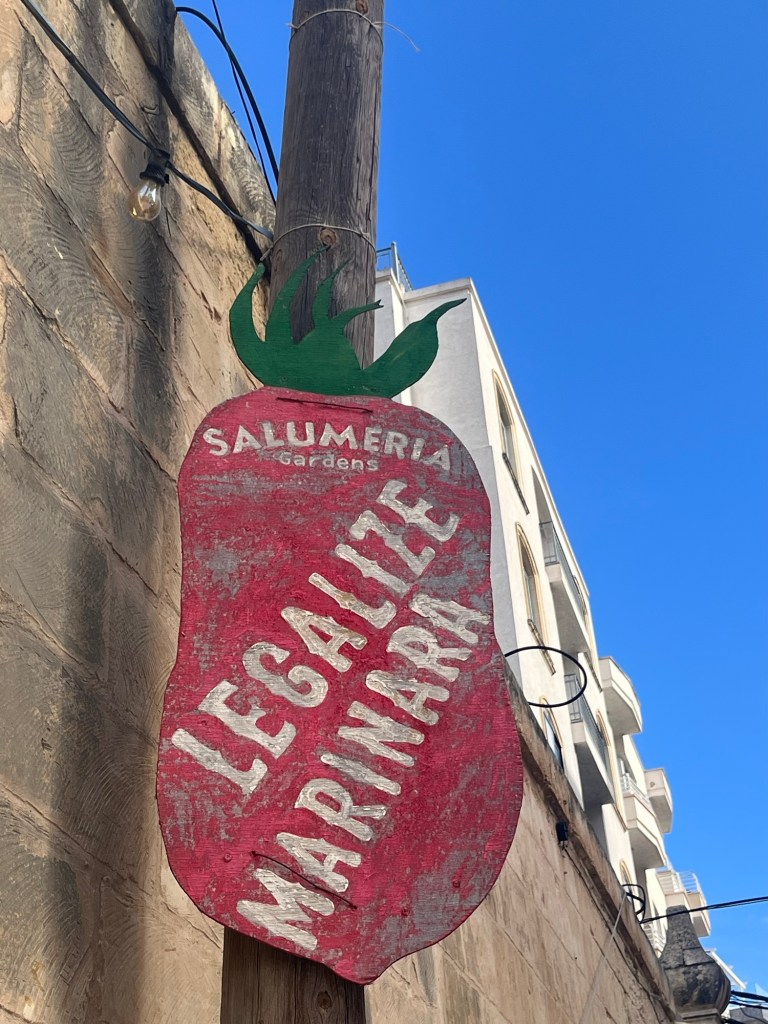
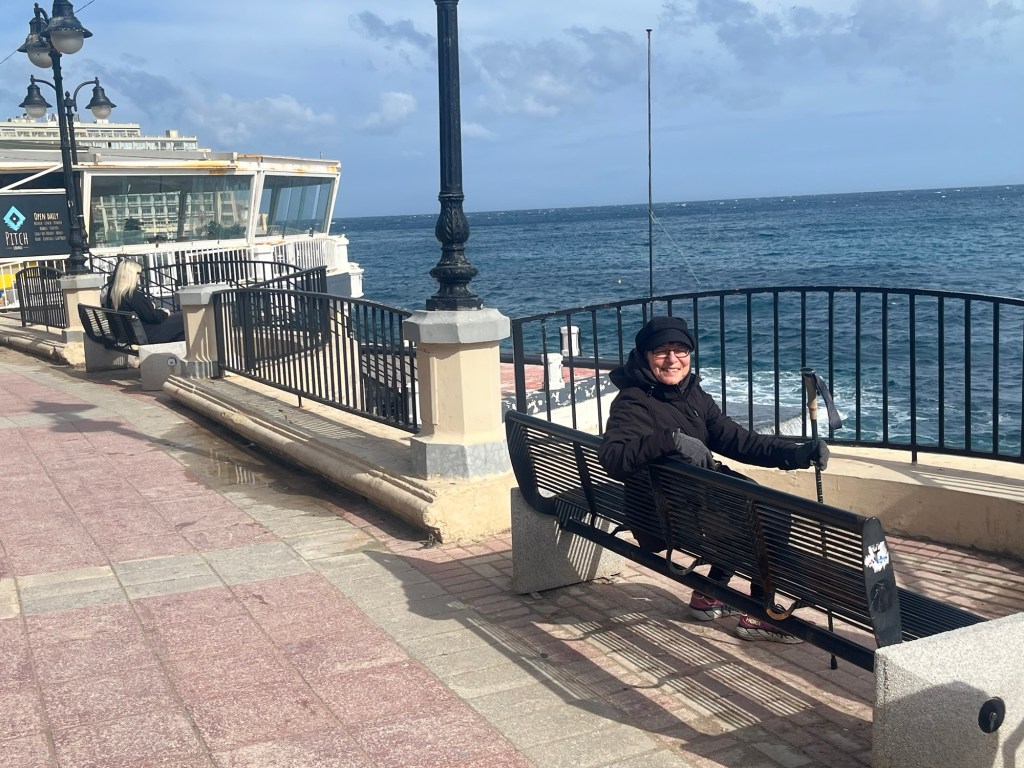
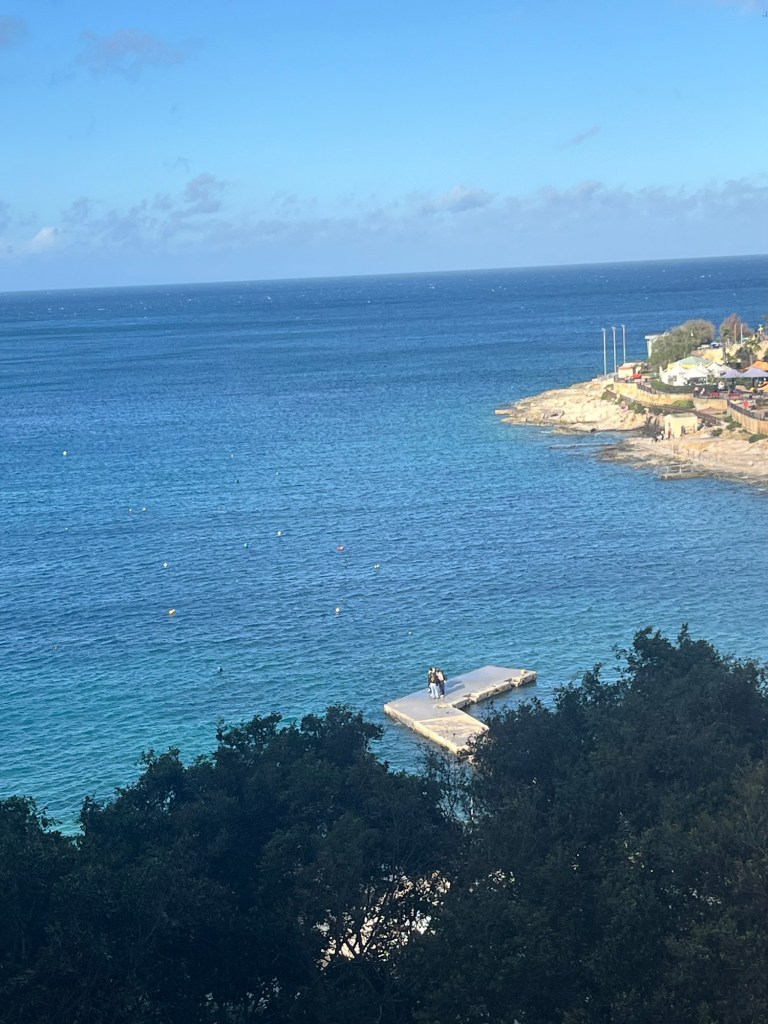
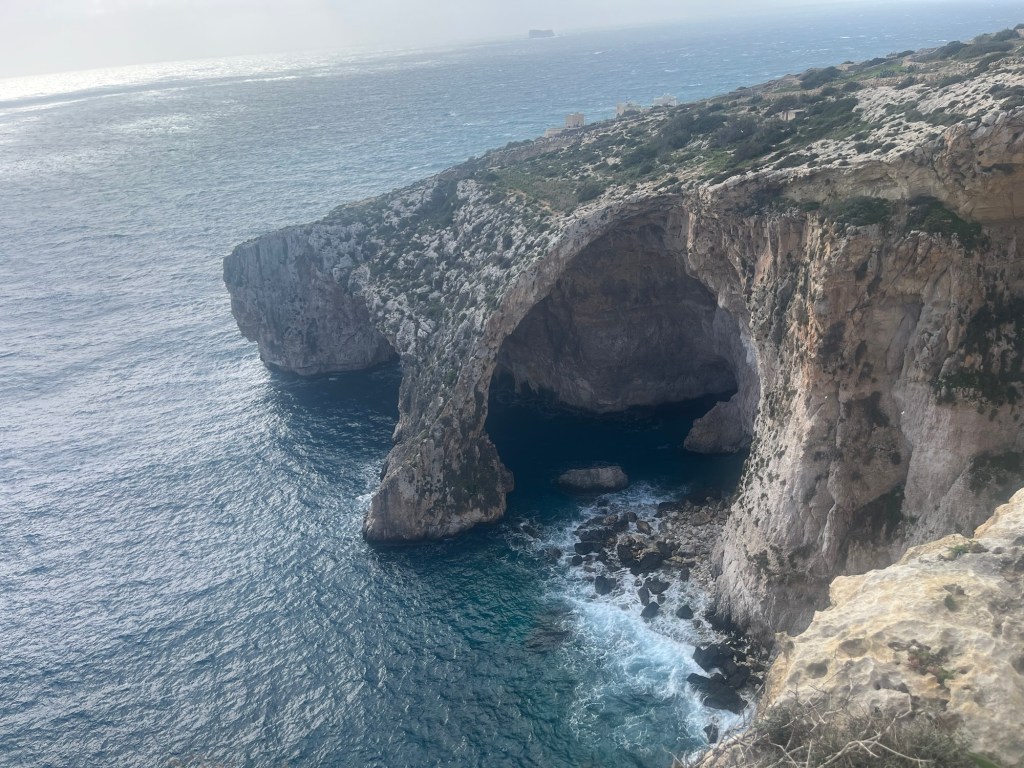
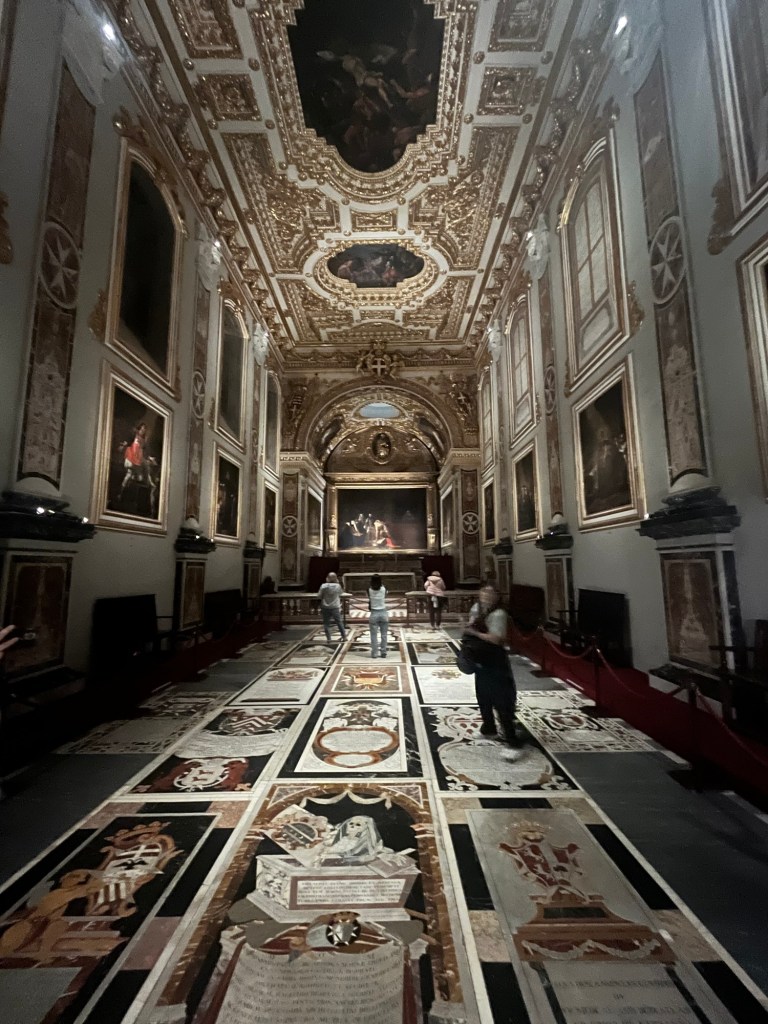
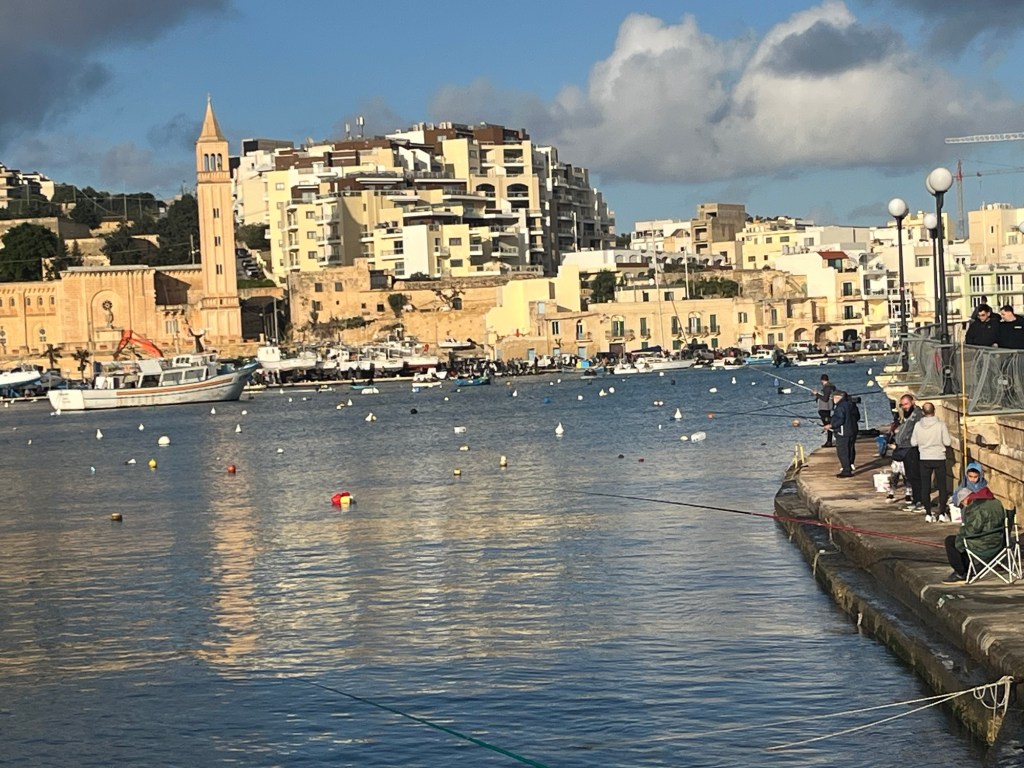
PS Here are a few random photos of our last few days in Malta. It’s been a fantastic place to spend a month!





I just read the 2/5 entry and enjoyed it very much. The bullet-point list was hilarious, and pure Ken! You guys travel with such intelligent joy! Those pastries look too good to eat, too good to resist. Thanks so much, dear Ken, for this excellent travelogue. Love to Rebecca also! Brother Bret
LikeLike