Beginning the End

We were not at all sure where this trip would begin to end. Maybe Santa Fe. Maybe New Orleans. It turned out to be Oklahoma City. After three days of wandering around Norman and OU, the Bombing Memorial, and the First Americans Museum, we headed back east, making our first stop, the Oklahoma City Botanical Garden, one block from our hotel.

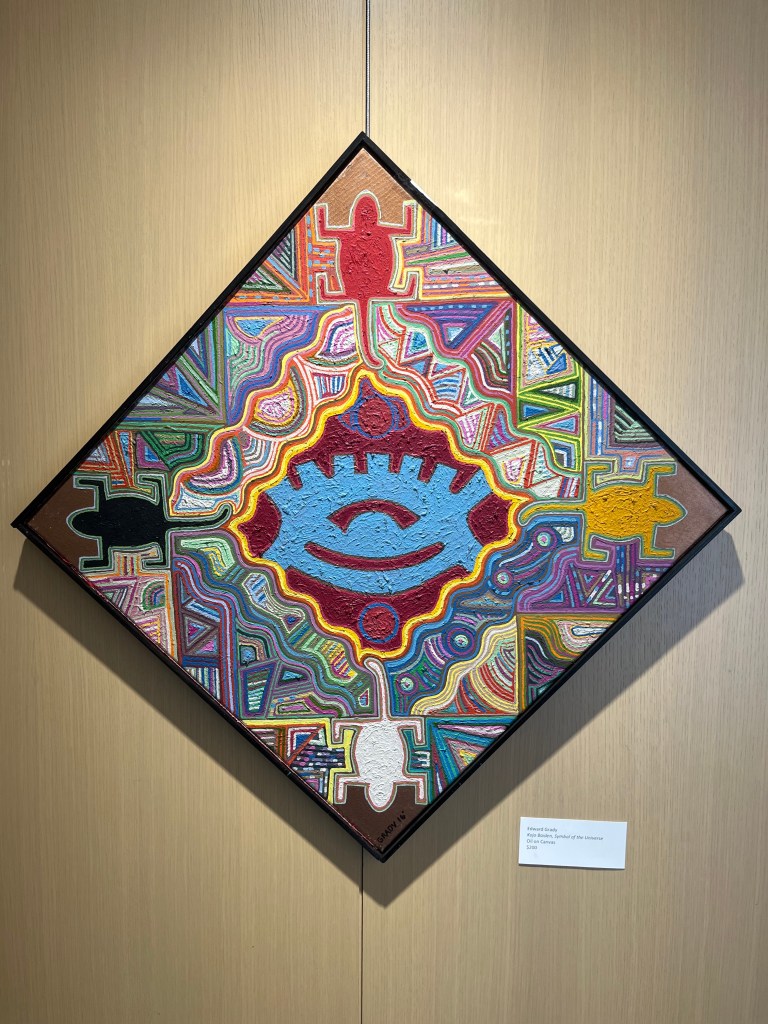
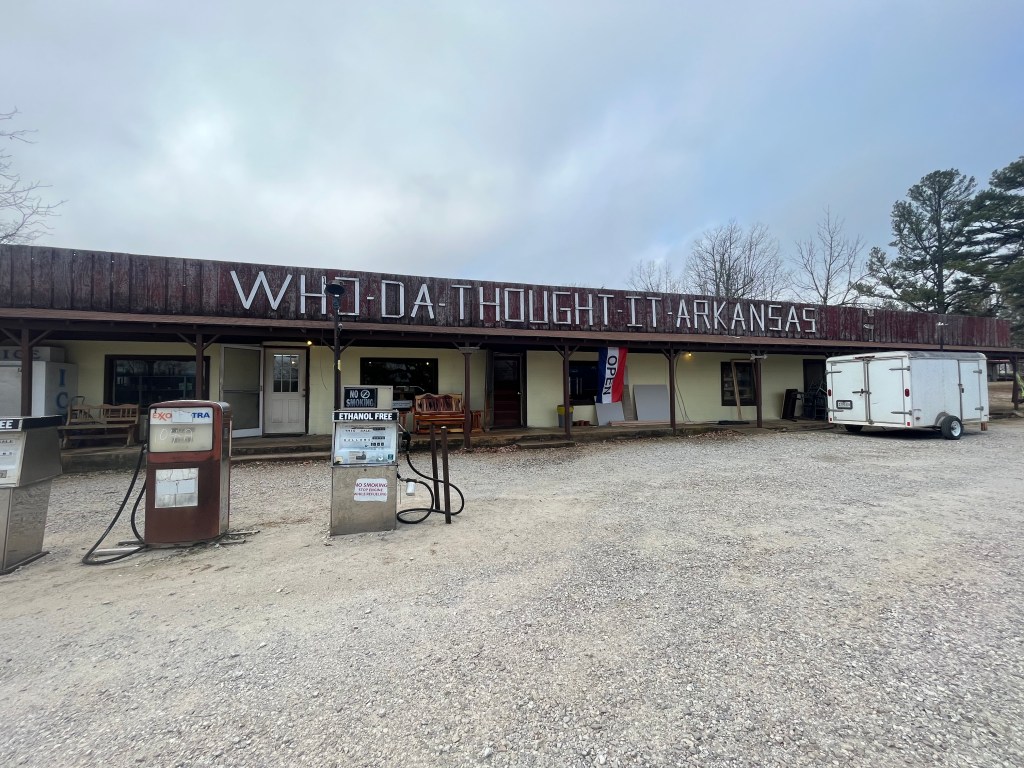
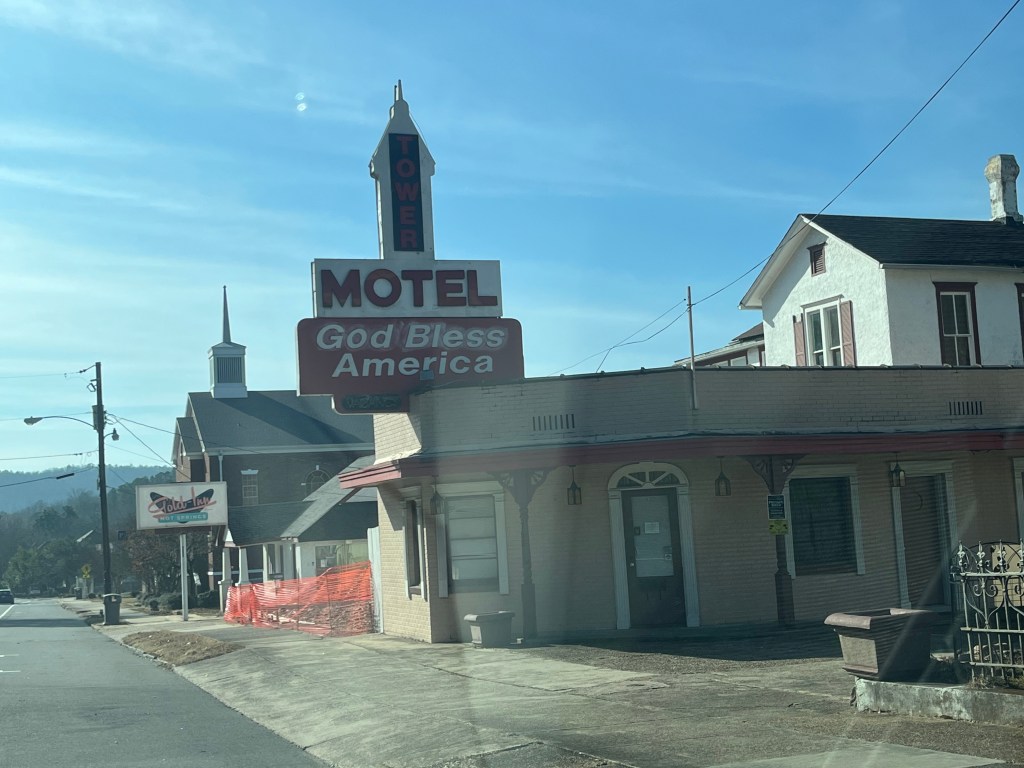
The trip east brought us to places we’d never heard of and to places we knew. We had the time to stay way off the beaten path.  It would be nice to say that we were the only car on the road, but we can’t. We were close though! We successfully avoided interstates (and thus, encountered precious few trucks), and we often went for hours without seeing another car.
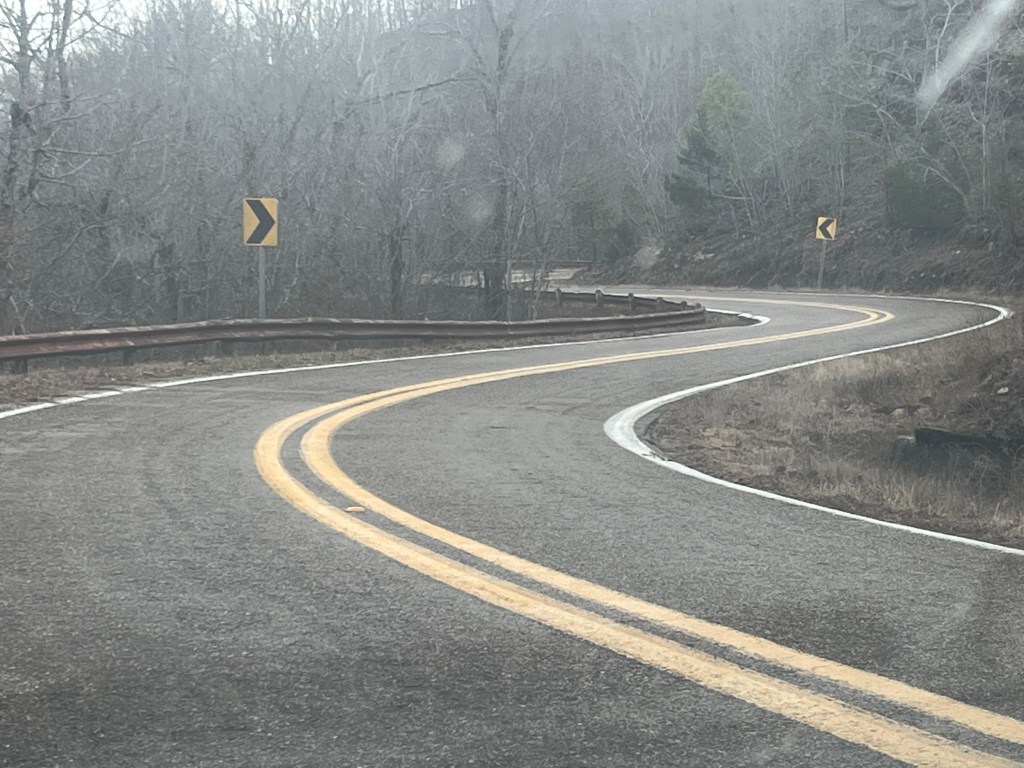
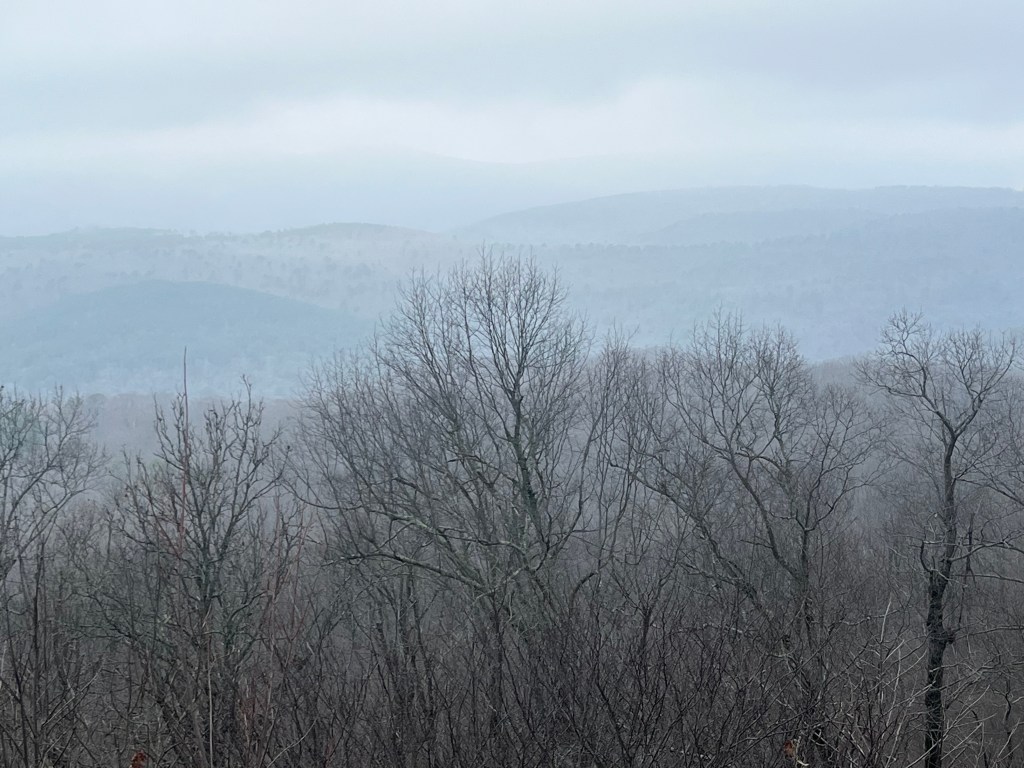
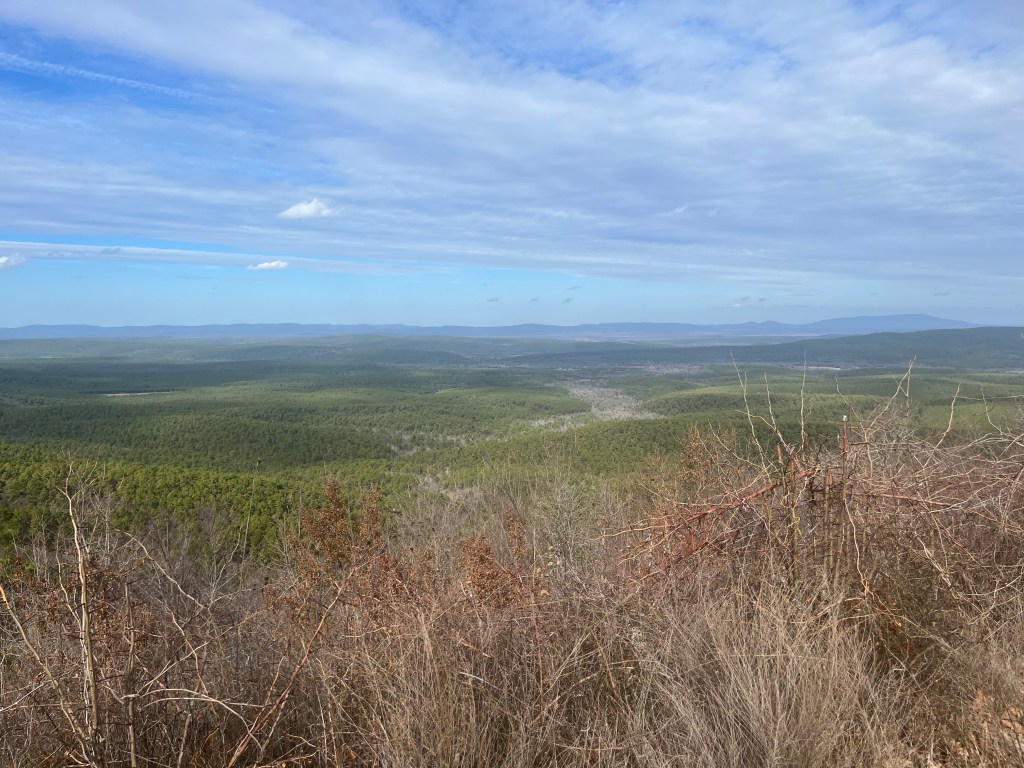
The Tallimena Scenic Drive in the Ouachita National Forest through Oklahoma and Arkansas.


Making new friends
The first foray of our journey took us to Shawnee, Oklahoma for a parting lunch with one of our many new friends, Linda Capps, the Vice-Chair of the Citizen Potawatomi Nation and a distant cousin of our really good friends the Amdur-Clarks, Fred, Cindy, and Tanner. 

We had spent a morning with Linda a few days earlier learning about the Citizen Potawatomi. We enjoyed each other so much, we wanted to spend more time on the weekend just becoming friends, talking about grandkids and family and life in general. She’s one of those people we plan to stay in touch with and hope to see again somewhere.

It was great meeting you and starting to get to know you, Linda!


McAlester, Oklahoma
We tried to plan our driving around points that might have decent lodging, but since we never knew what we would find and how long we’d get hung up some place, we just couldn’t plan much.

Our first stop was McAlester, a dustbowl of a town that is home to the Oklahoma State Penitentiary and, at 18,000, the largest town in Choctaw Nation. We found our home for the night, in this case, a really weird and totally comfy Travelodge that had absolutely no signage! (It is tucked neatly behind a Lowe’s and is invisible even after you are there. It caters to railroad crews changing direction, so most of its guests arrive and leave by van. Thank goodness for GPS and persistence.) With the lodging issue addressed, nourishment was next on the list.
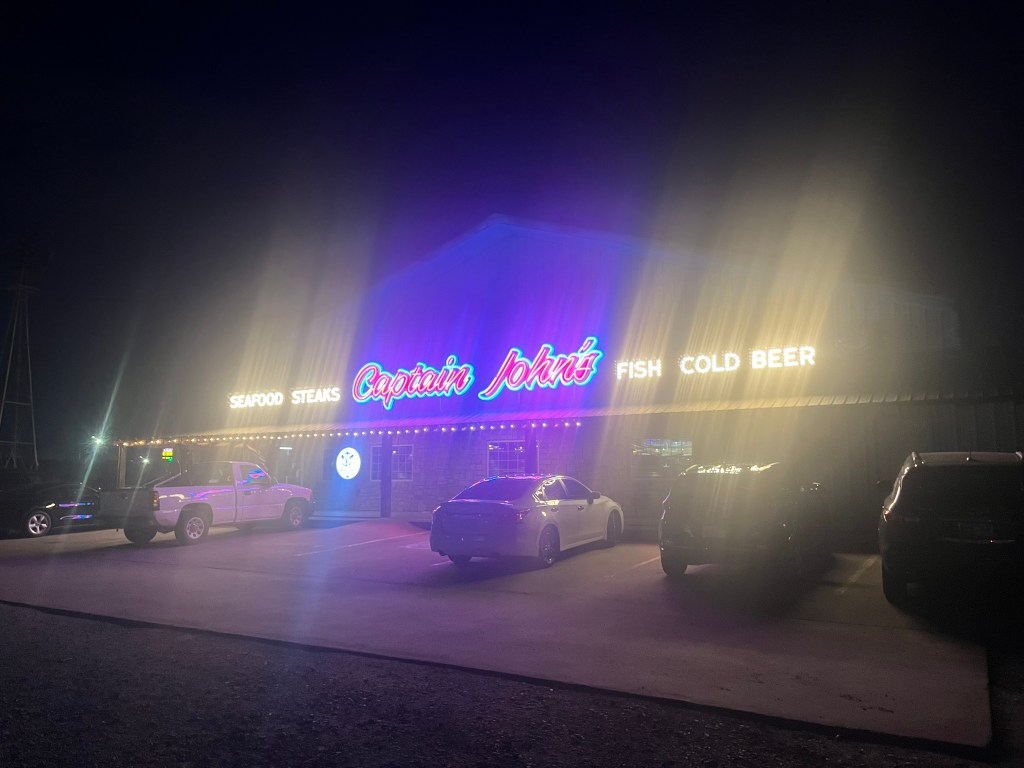

Captain John’s was well beyond the strip of chain eateries that surrounded the Lowe’s and the Walmart. We were in eastern Oklahoma, so what the hell, why not try the Louisiana shrimp boil. It was fantastic: large shrimp cooked to perfection, really tasty andouille, corn and potatoes. The best part of the experience was our waitress, Jami.

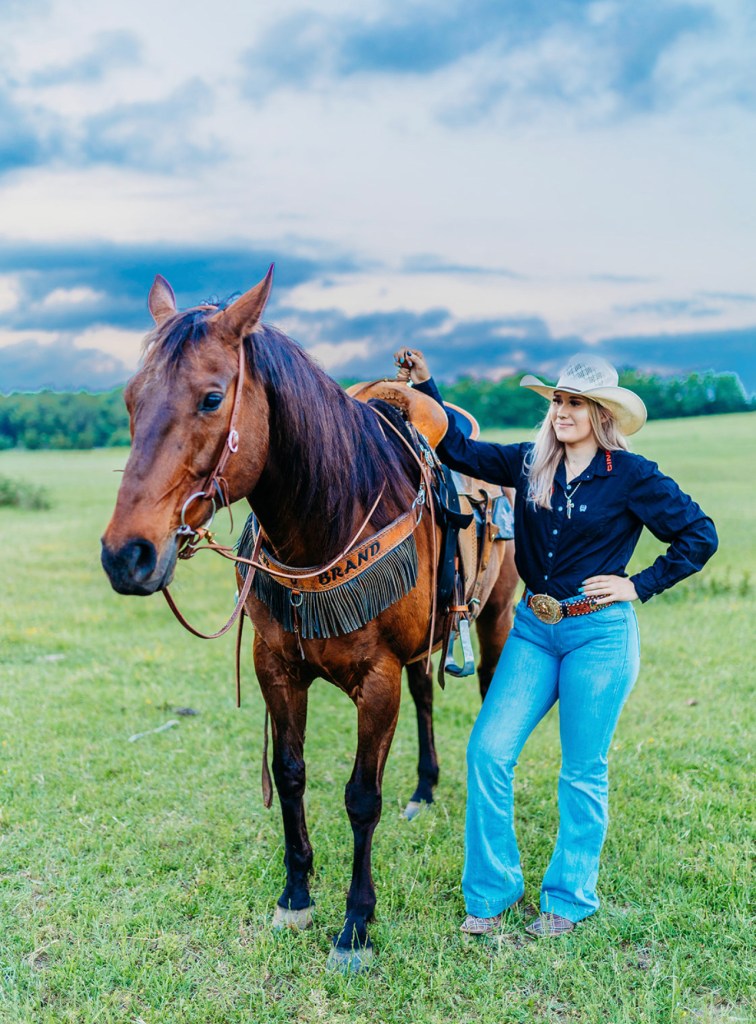
Young and energetic, Jami wore a classic western belt buckle, one of many she owns, we learned, from her successful career as a barrel racer in the rodeo. Jami hails from Arizona, but came to McAlester for a degree in cosmetology. She brought her three horses with her along with her 1997 Dodge pickup with headlights that blink on and off. (She was hunting for a mechanic who could fix the problem without breaking the bank.)

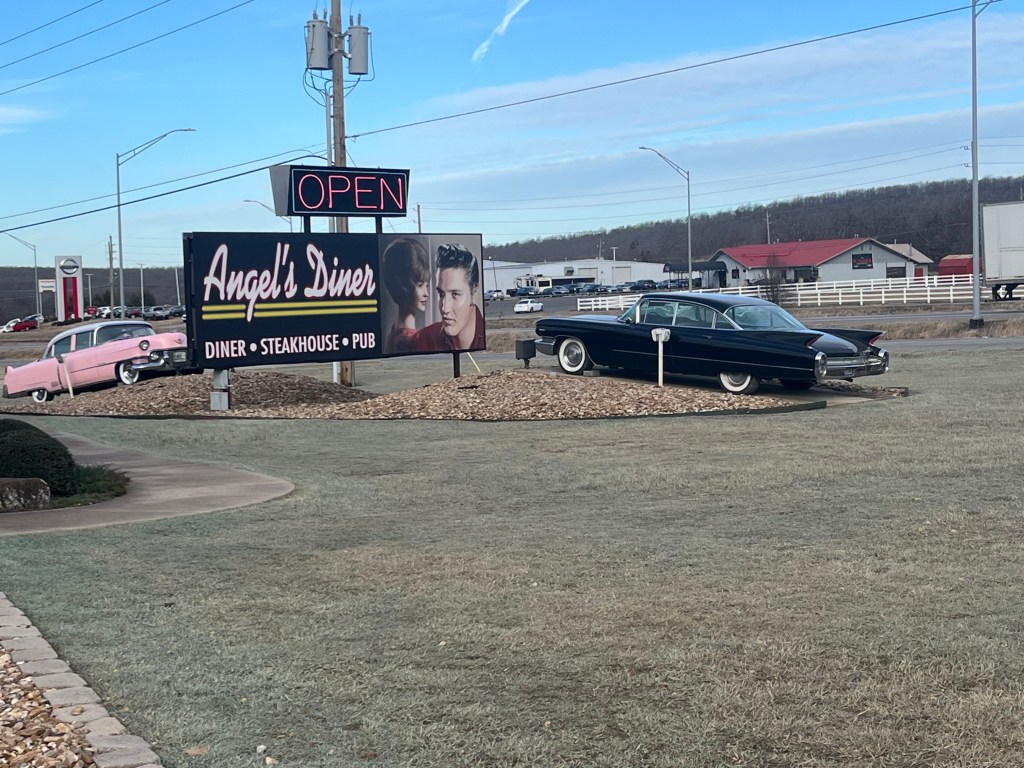
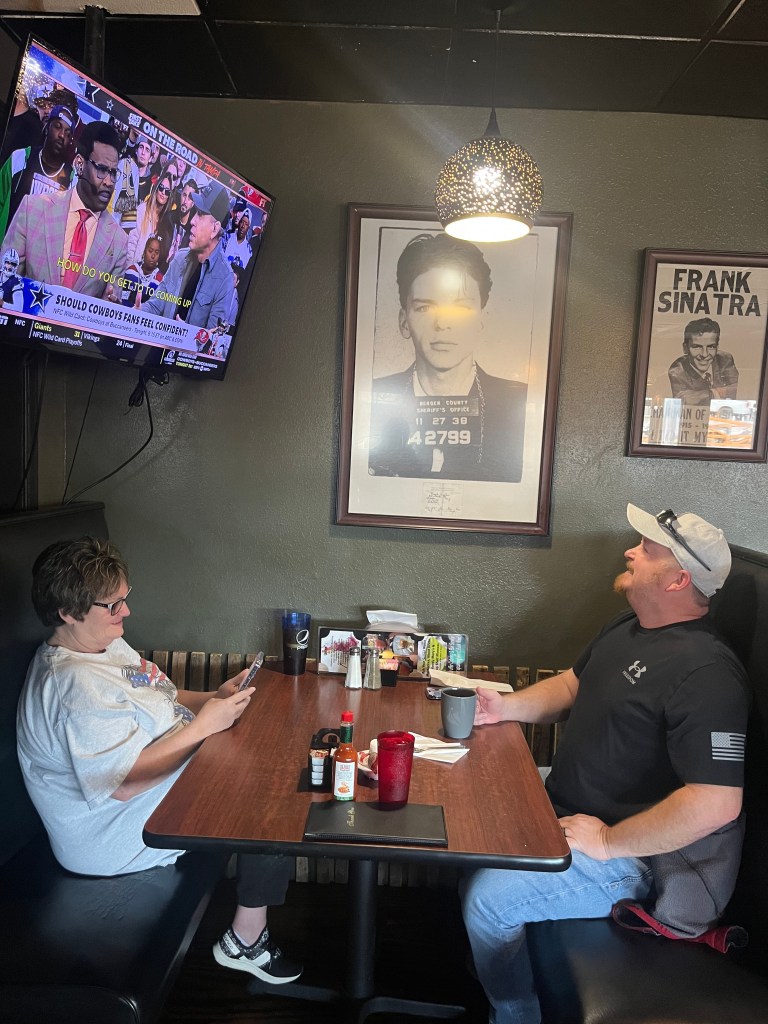
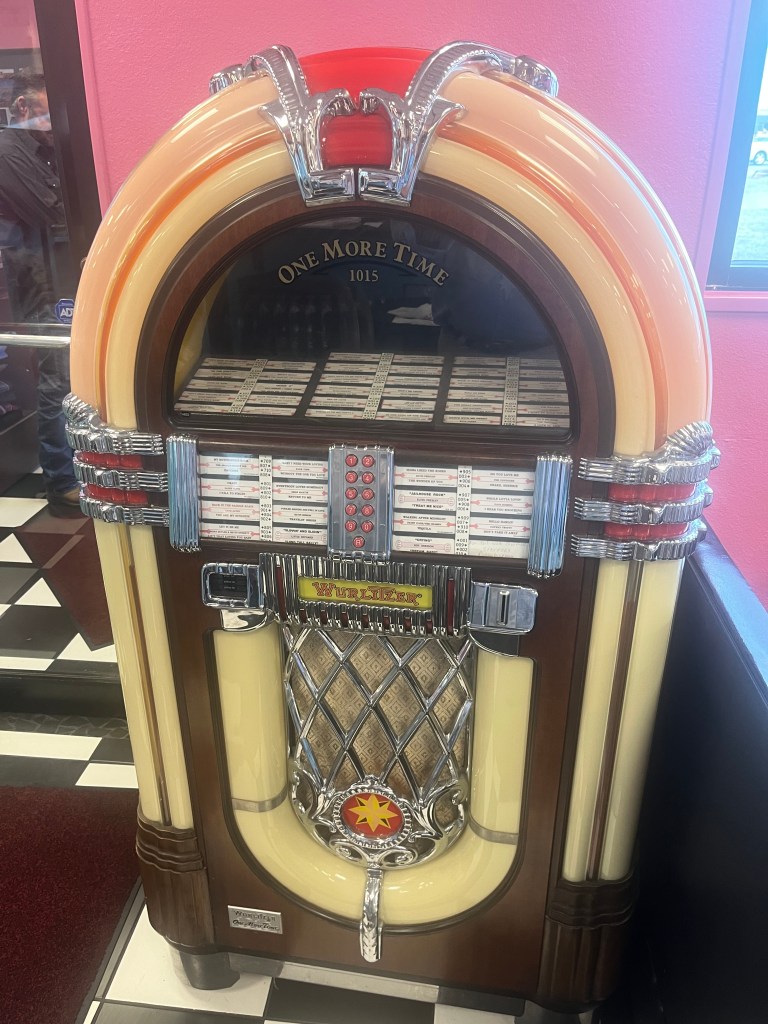
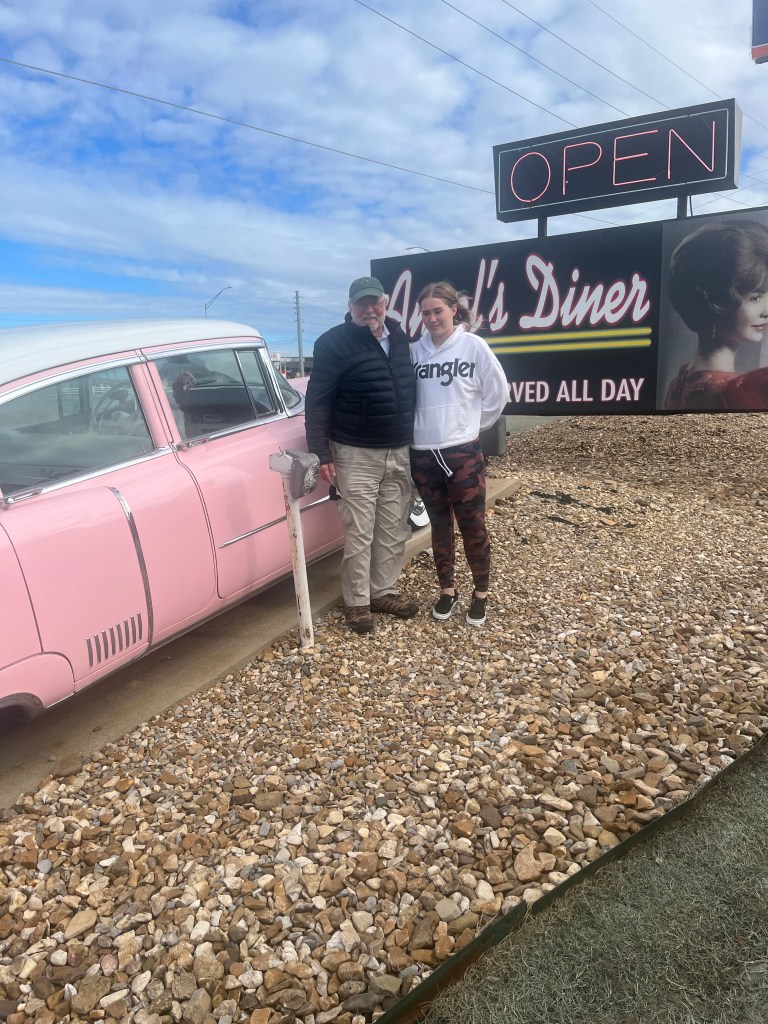
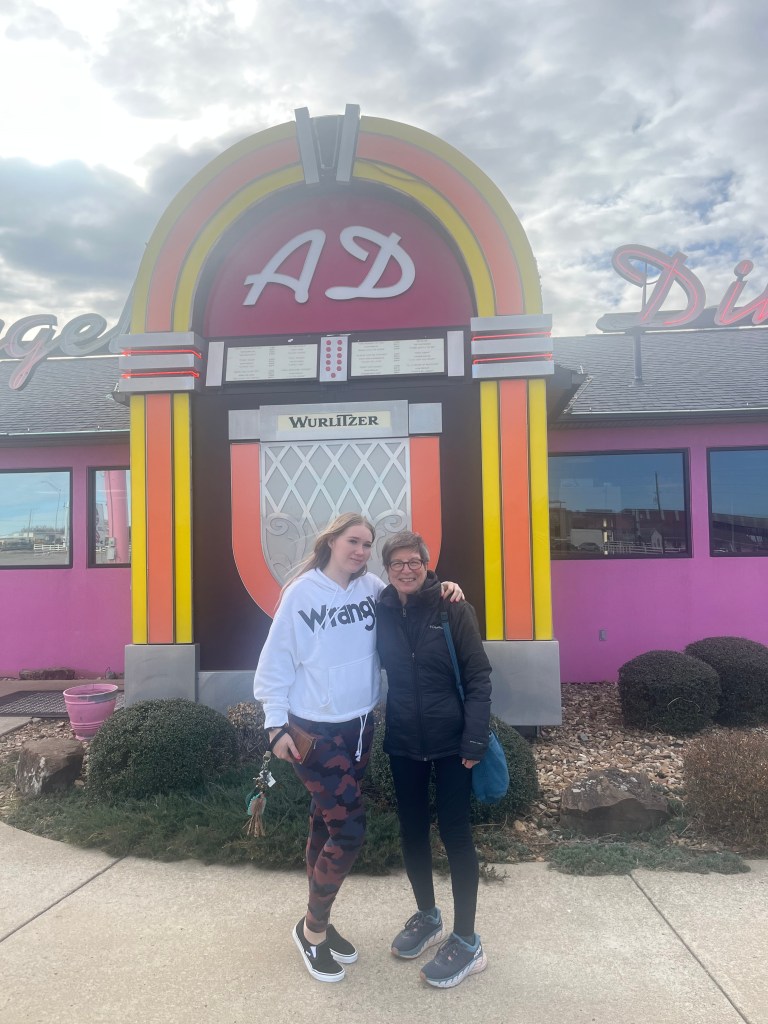
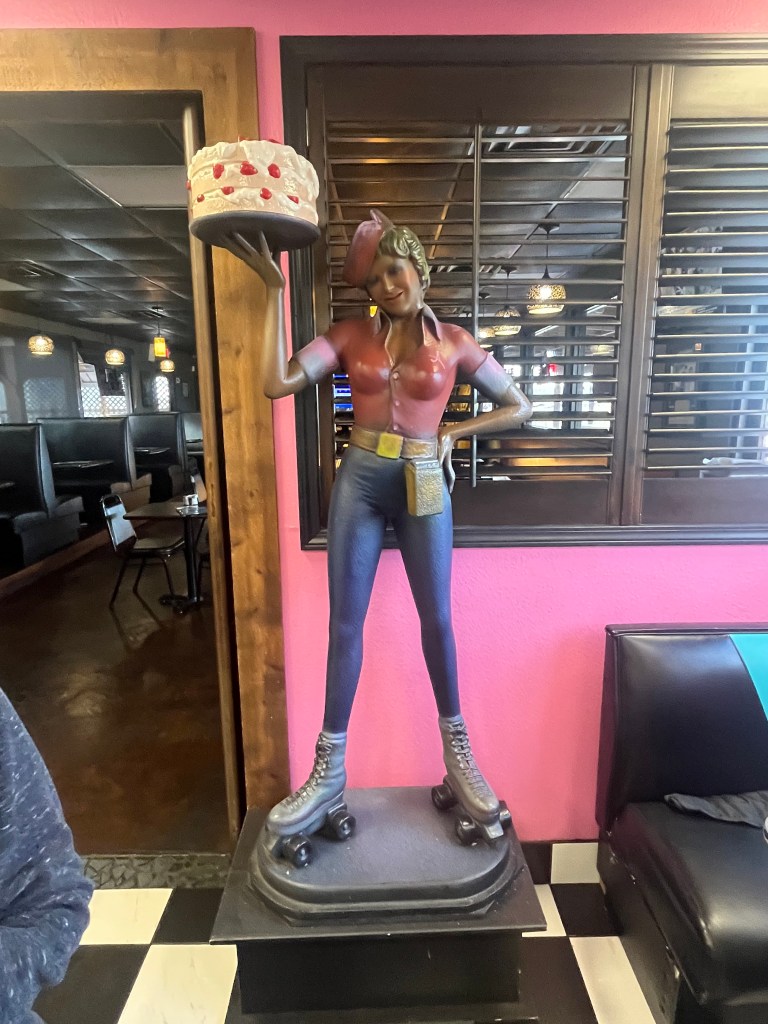
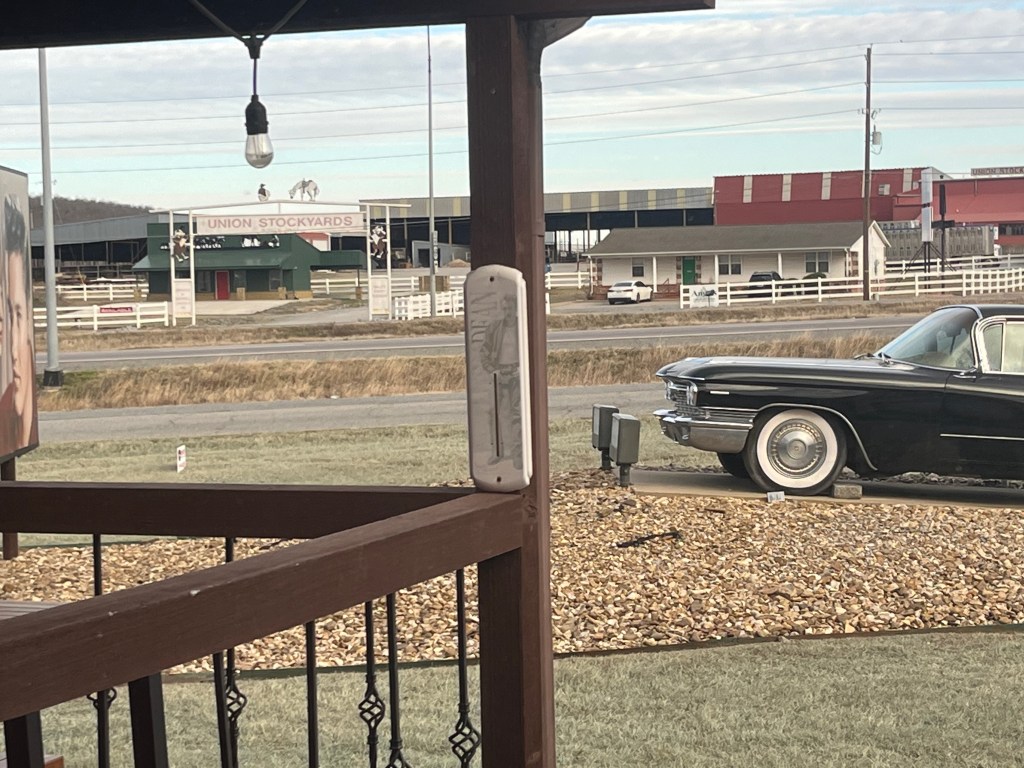
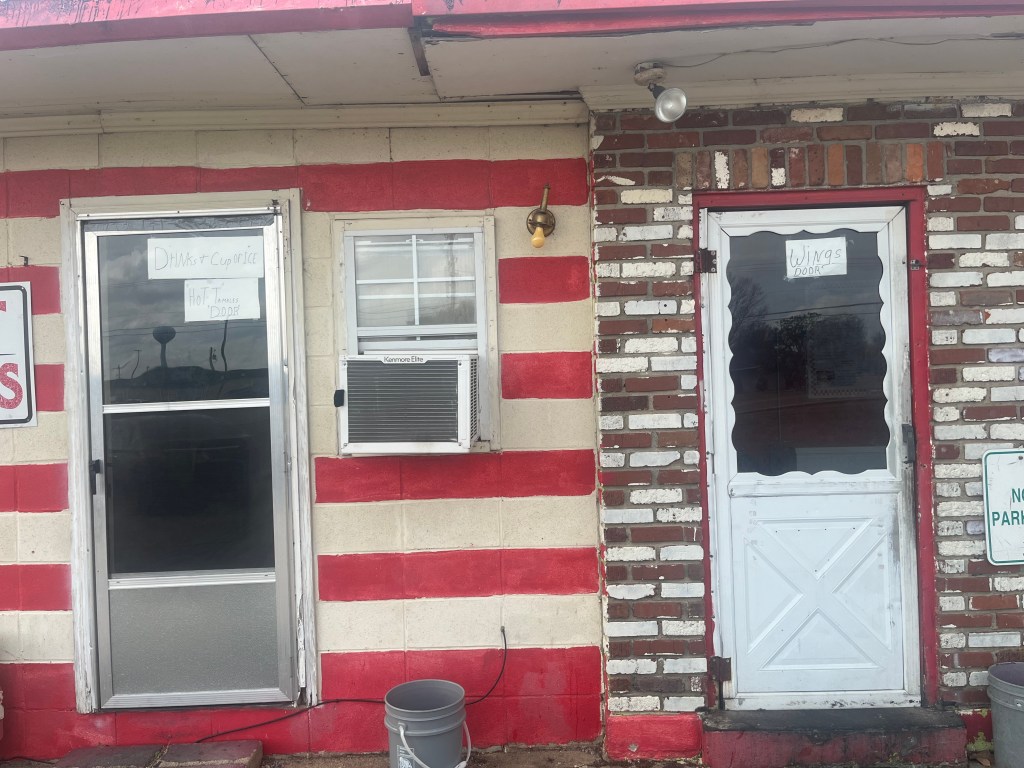
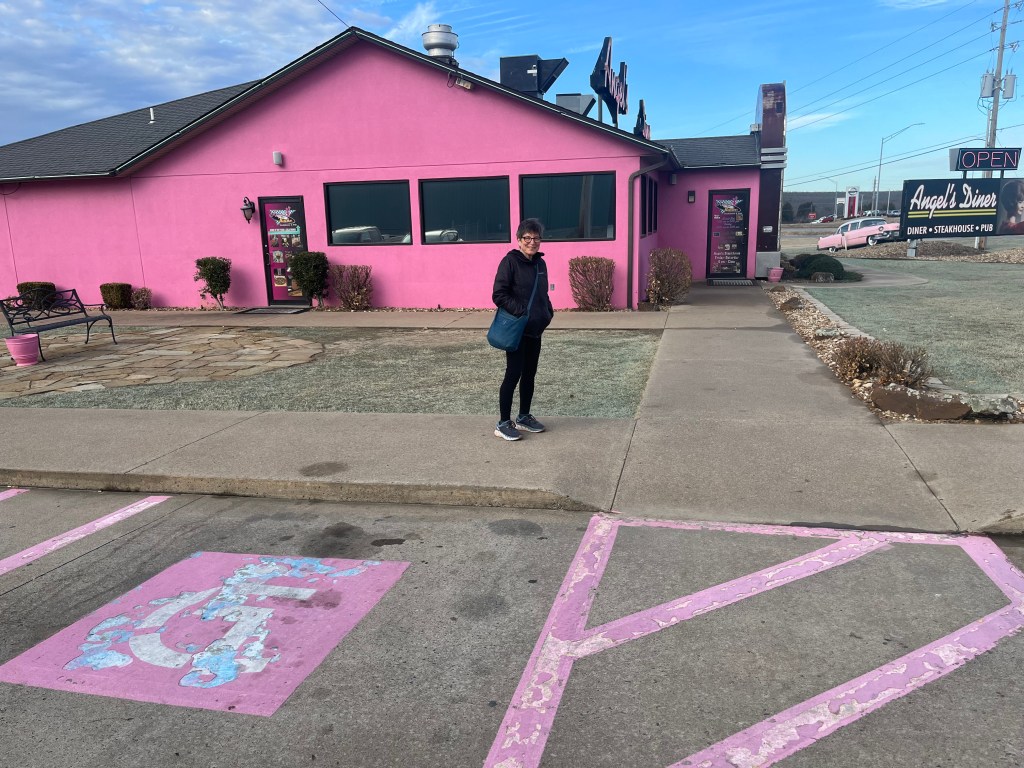
We enjoyed Jami so much, we asked her to join us for breakfast the next morning. What fun! She recommended Angel’s Diner, another total gem of a place that we visited, ironically, only a day or two after the death of Lisa Marie Presley. It is a classic Elvis-themed diner with Cadillacs in front, pink stripes in the parking lot, tons of 1950s diner junk, a genuine mug shot of Frank Sinatra, and the best ham and eggs I’ve eaten in years. It also happens to be directly across the street from the Union Stockyards, where hundreds of cattle are sold every Tuesday. I am really happy we were there on a Monday when the area was still odorless.

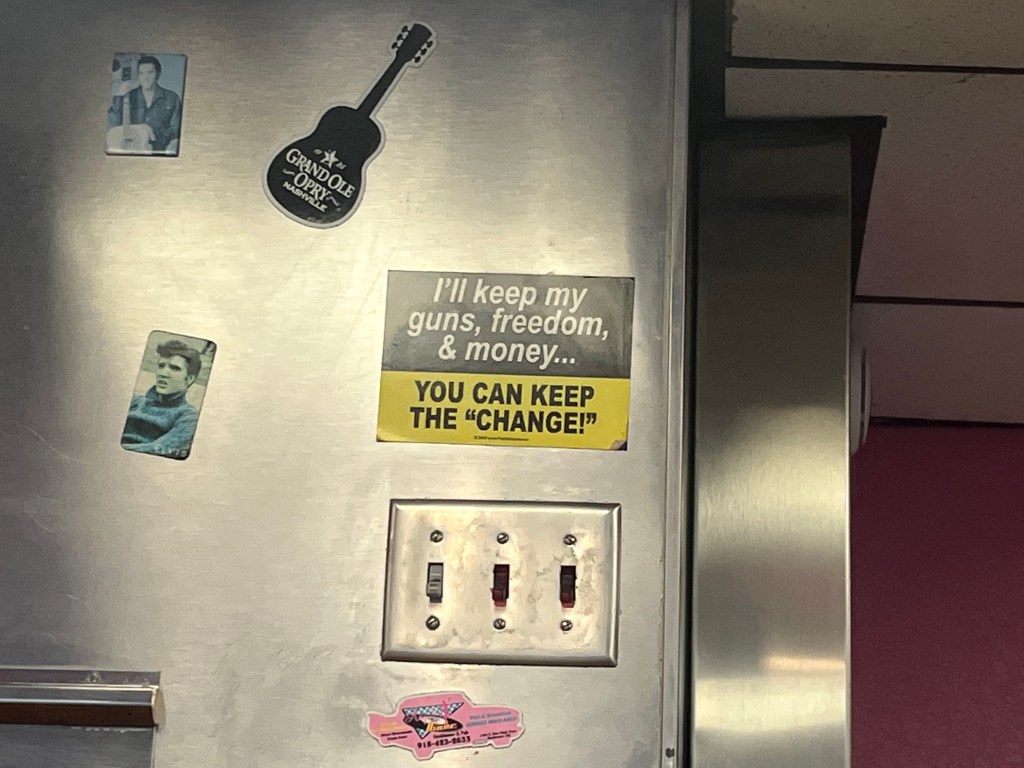
The stickers behind the counter revealed the red-state mentality of the joint: I’ll keep my guns, freedom, & money … you can keep the “change!” 

The Ouachita Mountains and Mena, Arkansas

From McAlester, we’d hoped to get as far east as Arkadelphia, the next town with decent-looking lodging. We didn’t make it.

Instead, we found a damn-near invisible National Forest scenic road through the Ouachita Mountains. Rebecca and I both know US geography really well. Neither of us had ever heard of the Ouachita Mountains in southeastern Oklahoma and southwestern Arkansas. They’re gorgeous! (And I think we passed three cars in about four hours, none of them going in our direction.)

We stopped at every scenic overlook and took endless photos. By the time we arrived in the next town, Mena, Arkansas, we knew we had to stop for the night. We were tired, and we make every effort not to drive after dark. The only problem was limited choice.  We found three places.  The first was a pit that did not begin to meet even our feeble standards.  The second cost $165 … for a plain old motel room in Mena … on c’mon, you’ve got to be kidding! We found the third on Hotels.com: the Sassafras Inn. We put the address into the GPS and went to take a look. It’s a room in a home, but not a B&B or an Inn. Just a room in a home in a neighborhood with a tiny sign that says “Sassafras Inn.” Fortunately, it was a comfy room, and thanks to the Hotels.com “stay-ten-nights-and-get-a-night-for-free” program, it didn’t cost us anything. The owner was a world-class talker. If we were still there, he’d still be talking … but he was really proud of his home and his lodgings. 


Our walk around Mena brought us to a memorable book store: deeply political books that revealed nothing about the residents of the town: Rush Limbaugh and Sean Hannity alongside Hillary Clinton, Kurt Anderson, and Al Franken. My Inner Sociologist could have spent days observing and jawboning the people who came in to browse, but any more than one evening in Mena was way more than we could tolerate.


The Lure of the Delta

From Mena, we were heading to the Delta, one of our favorite parts of the US! (We look forward to spending an entire winter in the Delta sometime soon, either in Clarksdale, Mississippi or Helena, Arkansas.)

Only one decision dictated our route across Arkansas: where to cross the Mississippi. There’s nearly 100 miles between the US 49 bridge at Helena to the north and the US 278 bridge to Greenville in the south … and there are no ferries in between. Greenville won. It gave us more time driving in the Delta and gave us a chance to visit Indianola, Mississippi, home of BB King, and Leland, Mississippi, home of Kermit the Frog. It’s hard to do better.

Arkansas Route 8 to Greenville, like the Ouachita Scenic Highway the day before, proved to be a perfect road-tripping road: fabulous scenery and virtually no other cars all day. The drive from Mena to Greenville is only five hours, so we had plenty of time for a walk in Arkadelphia.  We programmed the Desoto Bluff Trail into the GPS and off we went.

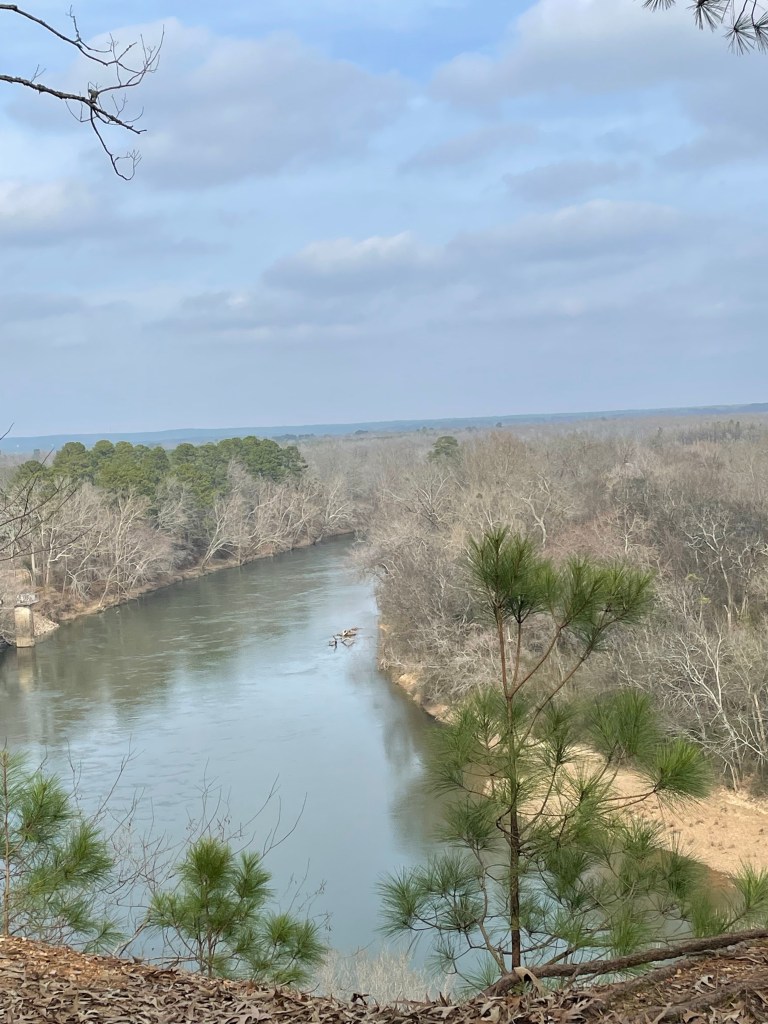
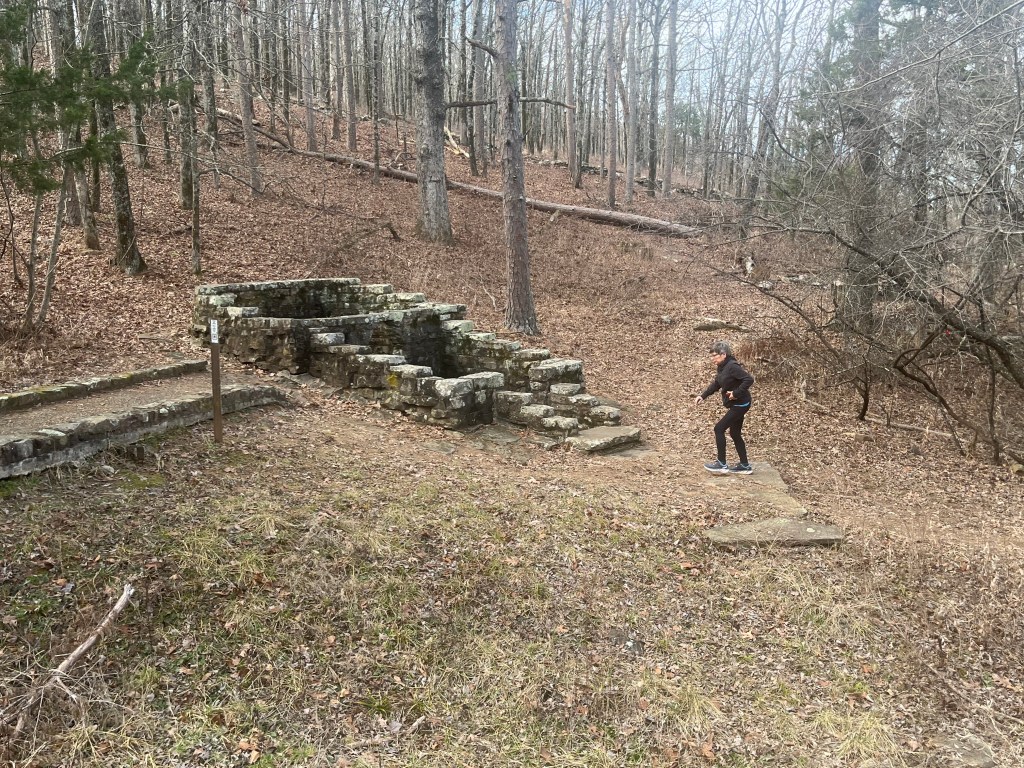
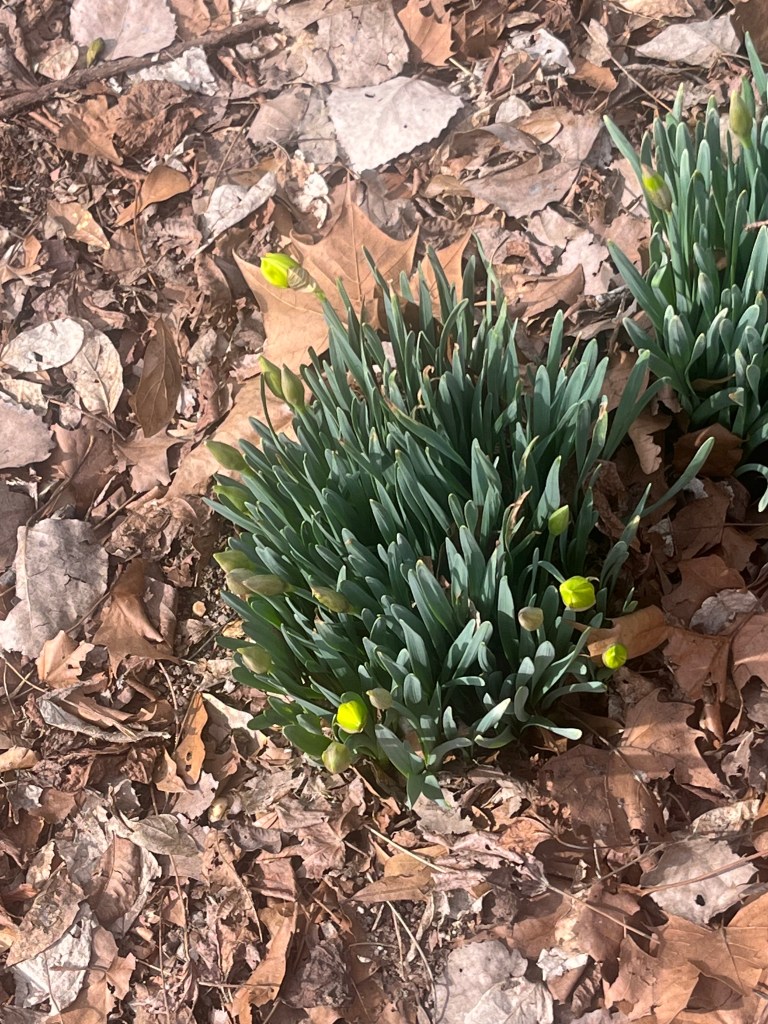
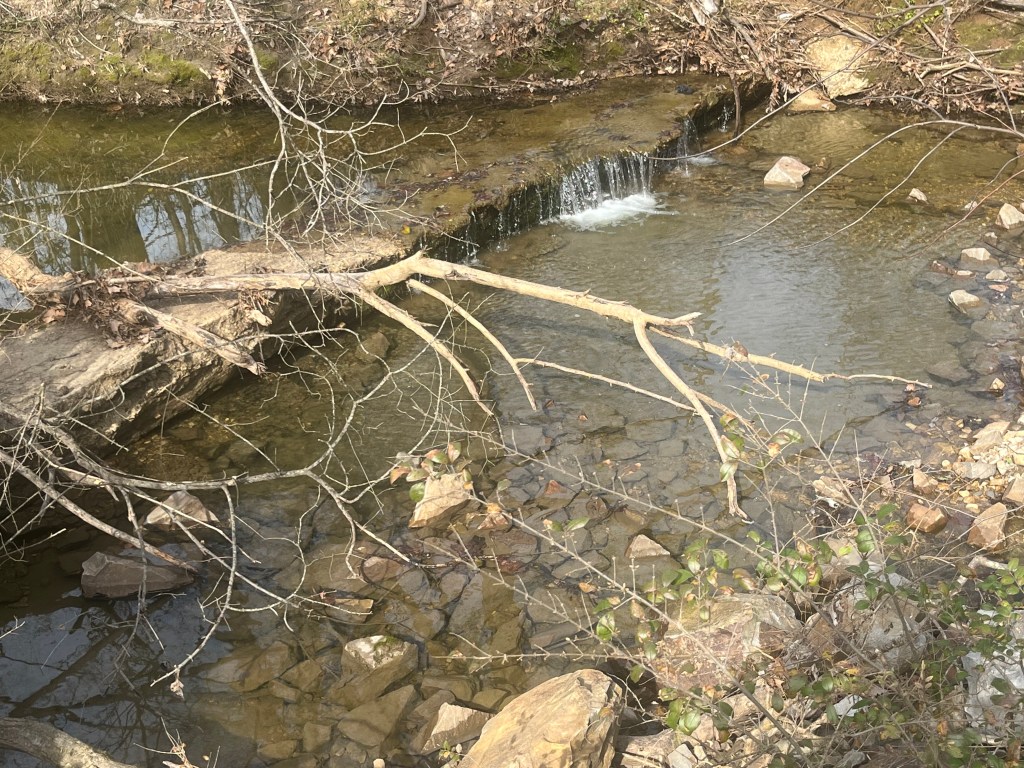
The trail was beautiful and the signage informative, but the whole loop from the parking lot to the bluffs over the Ouachita River was only ¼ mile, hardly enough for two weary road warriors. We thought about doing it 4 or 5 times but instead found the Feaster Park Trail alongside a nifty creek. The best part was the clumps of daffodils about to bloom in mid-January, exactly the reason we left Vermont. A few hours later, we crossed the Mississippi.

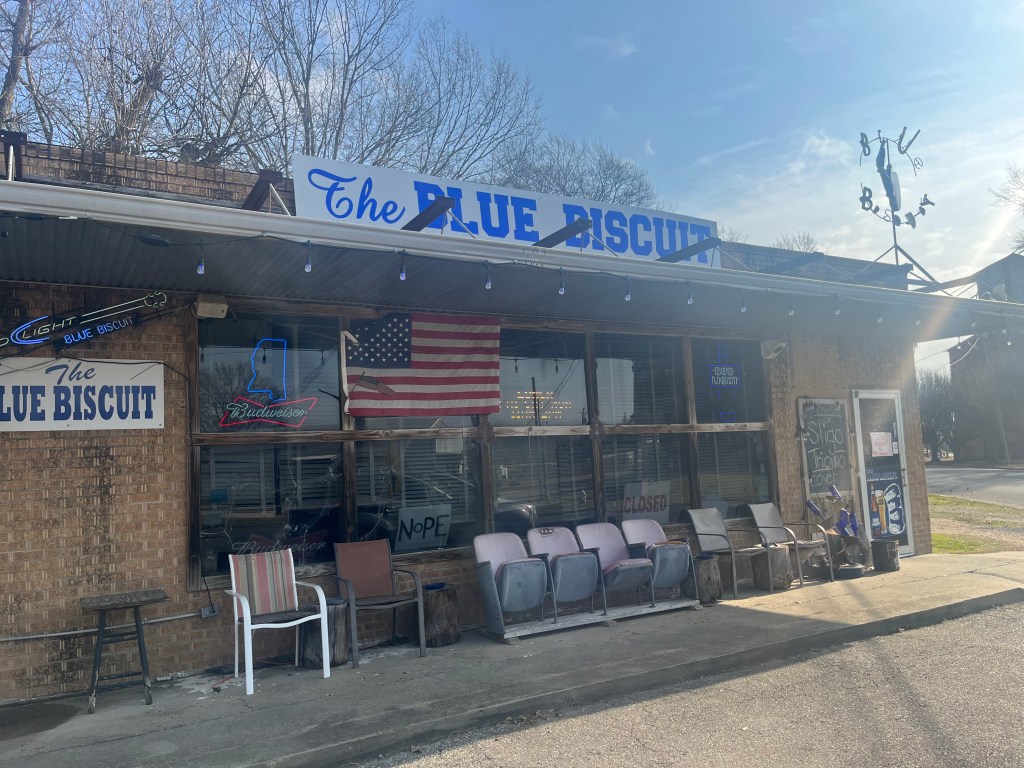
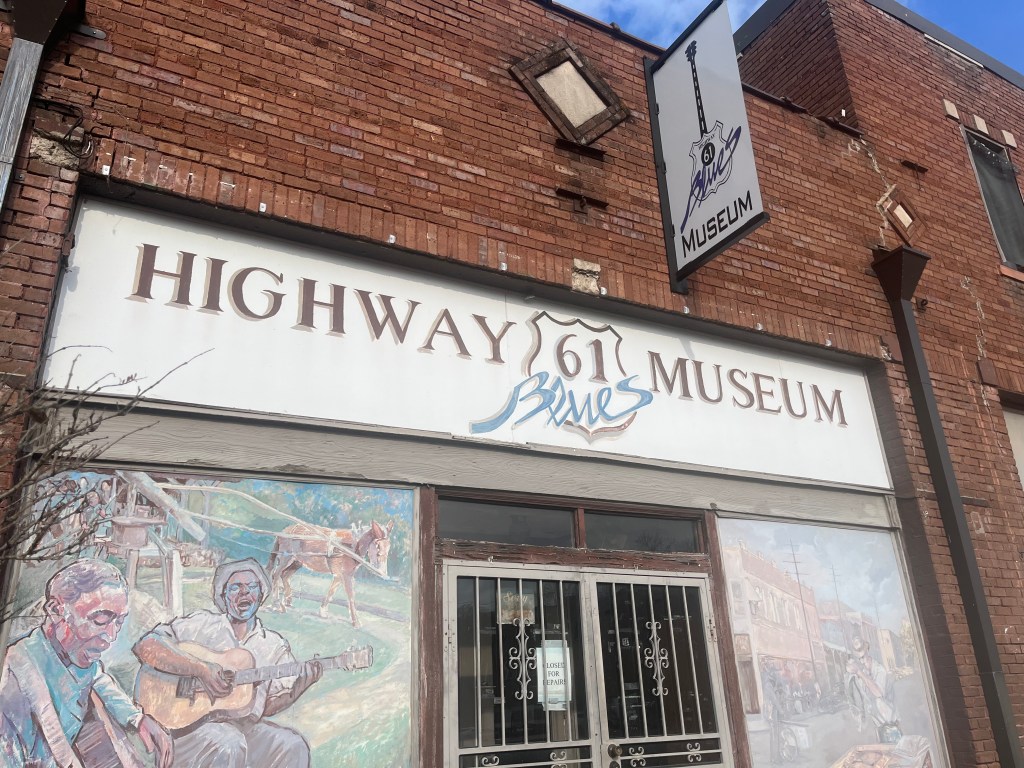
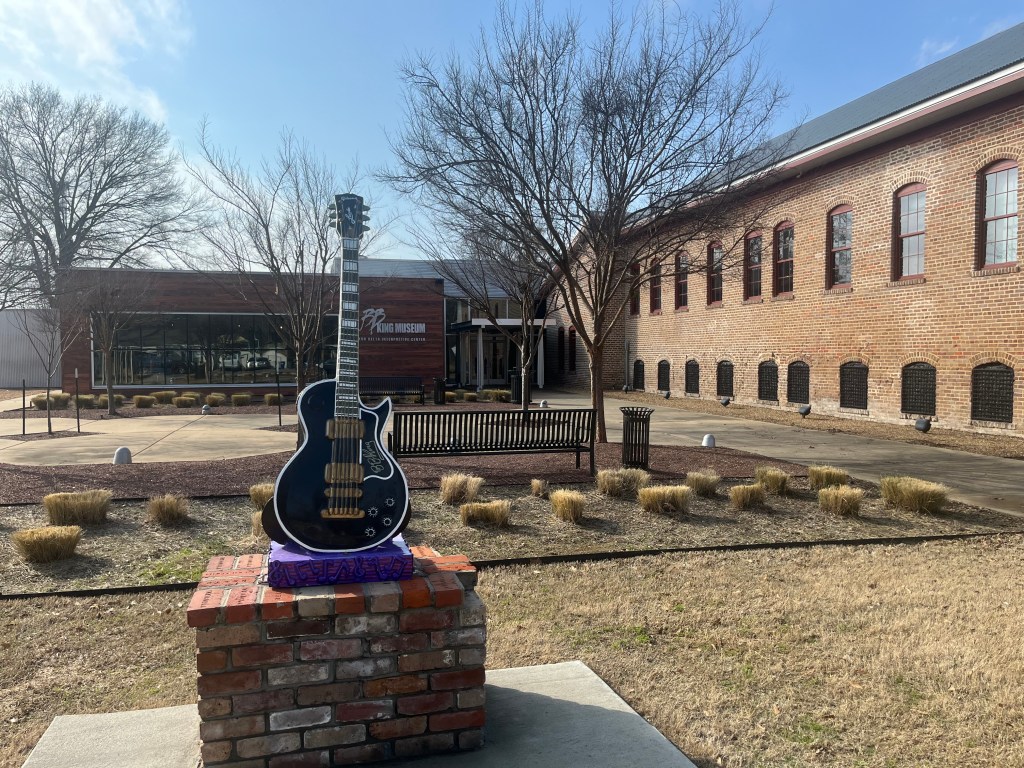
The last time we visited Indianola and Leland was in 2017 with my brother Joe. We spent an entire day at the BB King Museum and had a blast with Harlan Malone at the Blue Biscuit right across the street. This time, the museum and the Blue Biscuit were both closed when we were there. No big deal. But we also noticed that Harlan’s pimped out school bus was gone. (Harlan had installed black lighting and a stripper’s pole into a re-purposed school bus. Rebecca never saw the humor.) We learned that Harlan has died, but his business partner Trish continues to operate the restaurant. Harlan was a beaut! R.I.P. Harlan. We miss you.


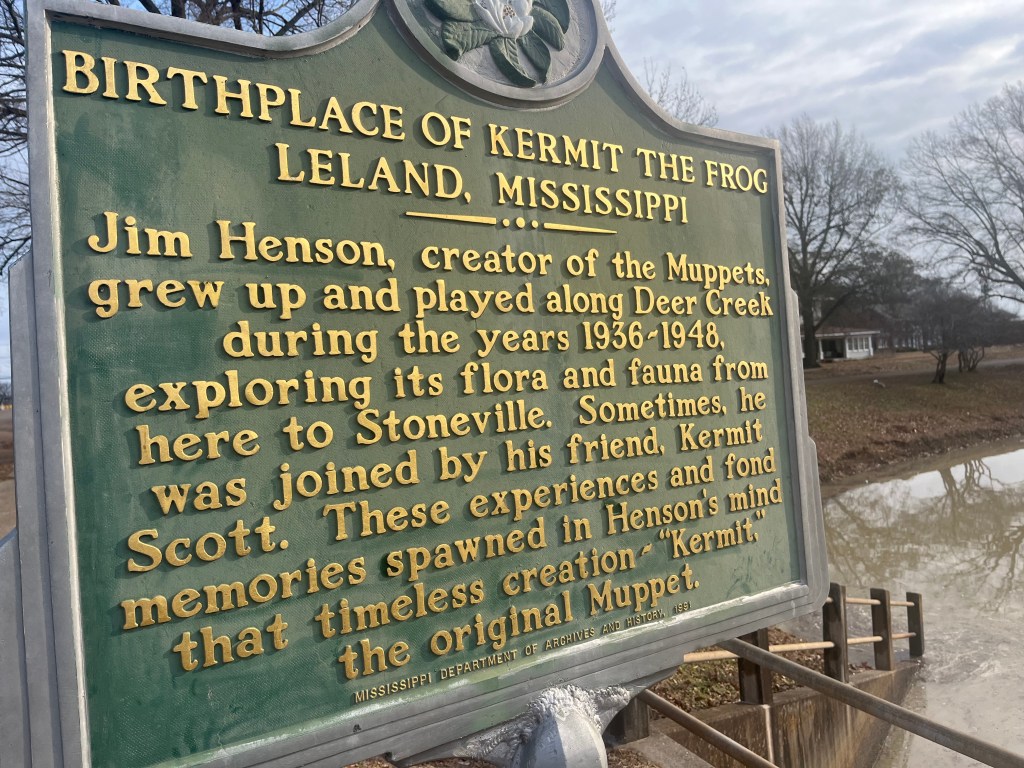
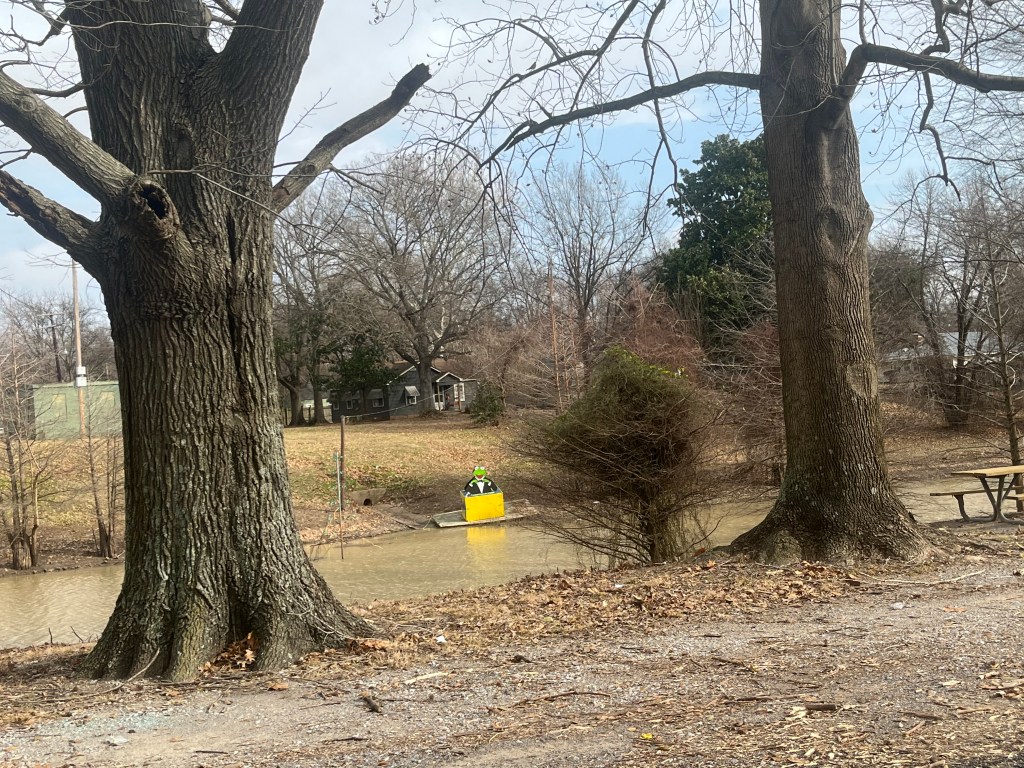
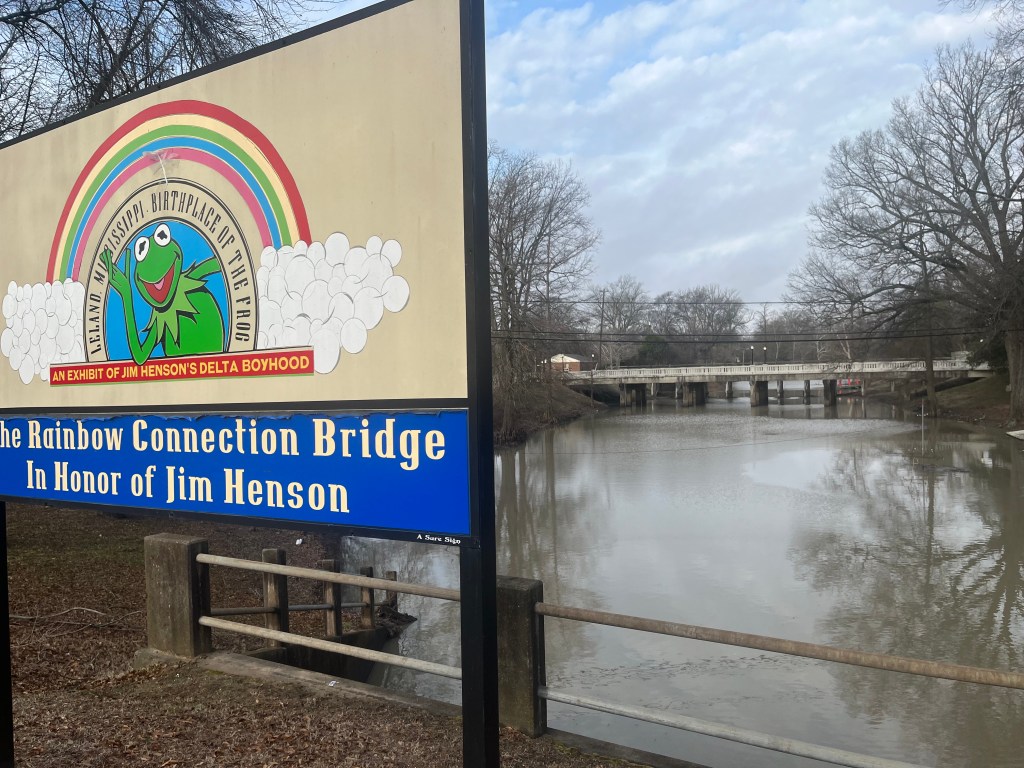
I recollected the child-like wonder of Leland’s Rainbow Connection Bridge. I remembered crying when I was there last, feeling like I was on sacred ground, the birthplace of Kermit. Alas, memories can play tricks. The signage was dilapidated. The water was murky and gross. Jim Henson and Kermit were most assuredly not born in paradise.
Fortunately, our memories of Clarksdale were much more accurate. Clarksdale is a magical, spiritual place. It is the home of the “Crossroad,” where Robert Johnson sold his soul to the devil to be able to play the blues – Highways 49 and 61. I don’t know why it is.  I just know that an inexplicable number of amazing musicians grew up in the flat, black-soiled cotton fields around Clarksdale. Like New Orleans, it is a place where I don’t think I could ever spend enough time. The dirt around Clarksdale grows characters and creativity and music even better than it grows cotton.
We spent our first afternoon with Roger Stolle, founder and proprietor of Cat Head. A native of Dayton and a super nice guy, Roger is one of the anchors and heroes of blues culture. He has written two books on the old bluesmen. The first one, “The Hidden History of Mississippi Blues,” was superb. The new one, “Mississippi Juke Joint Confidential” is in the car waiting to be devoured.  

Roger is not only a treasure trove of blues knowledge and a hero of Delta culture, he is also a hero of My Inner Sociologist. We talked over the counter of Cat Head for a few hours. It was the conversation I was most looking forward to in Clarksdale. He is endlessly interesting and interested. While we were there, a blues-loving pilgrim from Belgium lingered for an hour or so, jawboned Roger about local blues and European blues, bought a few hundred dollars worth of books, and disappeared. That is Roger’s life: promoting and sustaining Delta Blues from behind the counter at Cat Head. The “Juke Joint Festival” and the “Clarksdale Film Festival” are Roger’s children, along with his co-parent, Bubba O’Keefe, Clarksdale’s Director of Tourism.  

Bubba, we missed you on this trip.  Can’t wait to see you again soon.
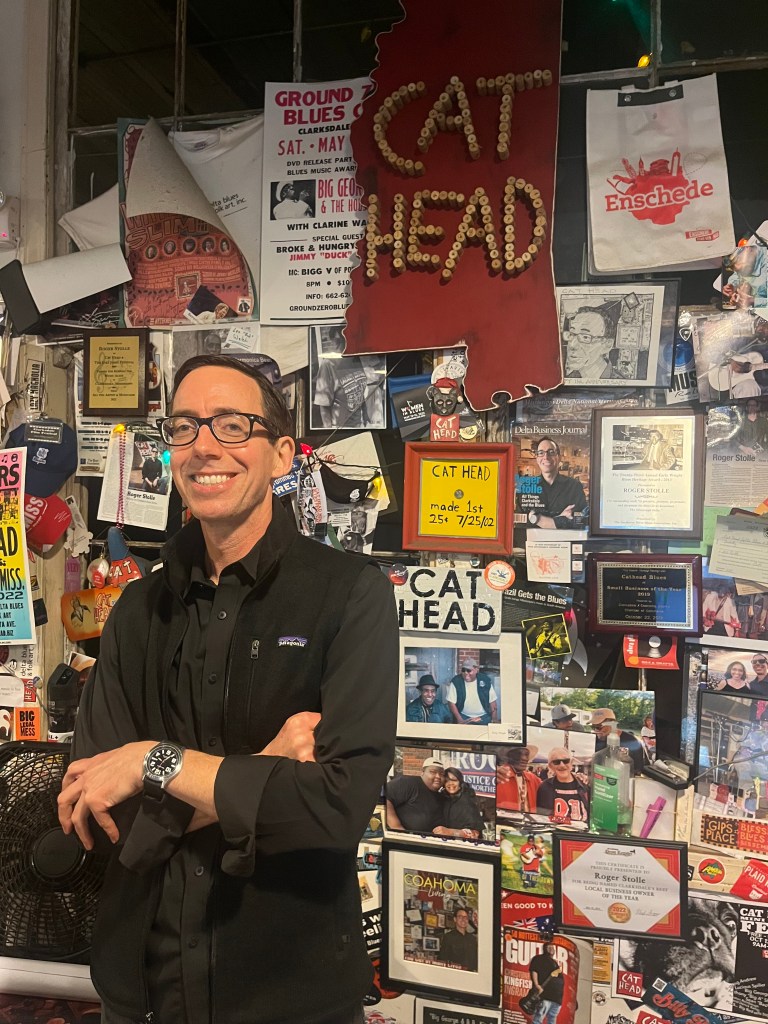
LEFT: Roger Stolle is a gem: knowledgeable, kind, affable, committed. His love for the blues and blues musicians is deep and profound. I am really glad to have met him and to be getting to know him. Thank you, Roger!
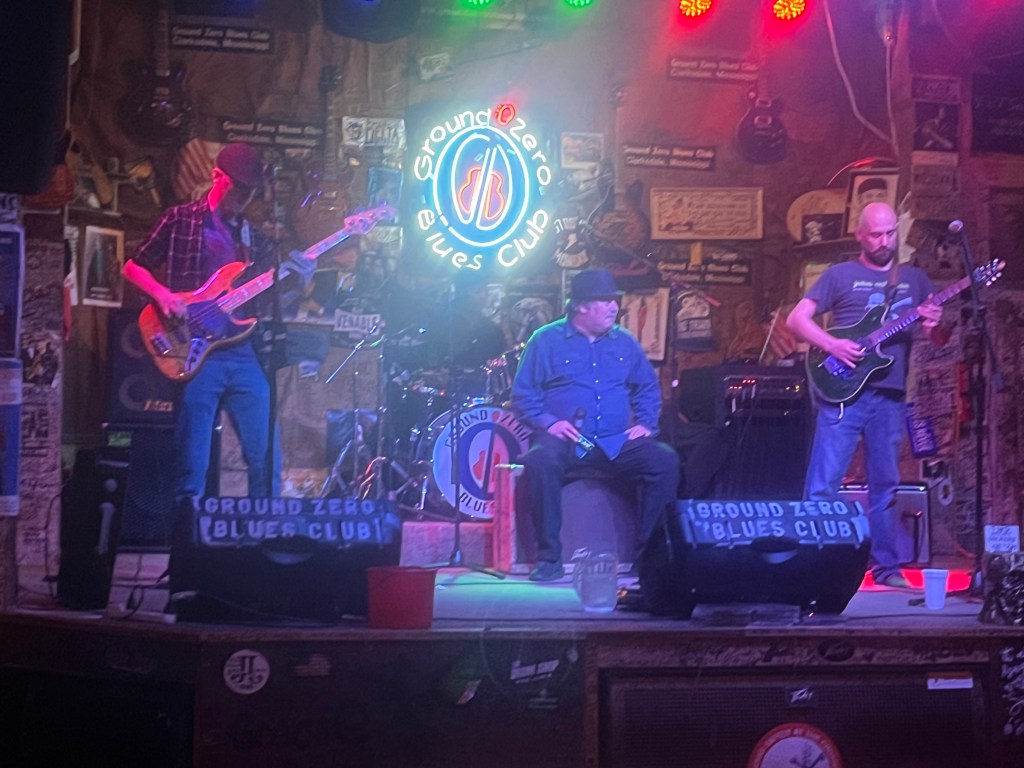
CENTER: So what that we were in Clarksdale mid-week. The Bluesberry Cafe was closed until the weekend, which bummed us out, but Red’s and Ground Zero were going strong, even if they were nearly empty. (Awful for the club and the musicians, but great for Covid-conscious vagabonds.) Thanks for your music and conversation, Steve Kolbus and the Clarksdale Blues Review.
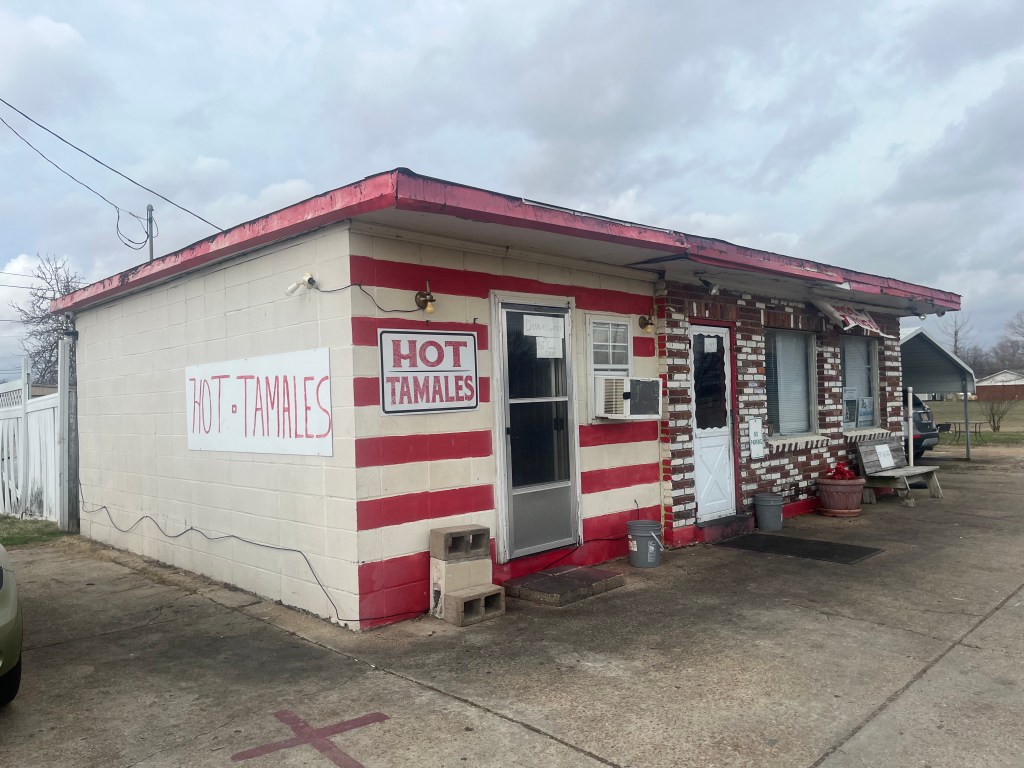
RIGHT: Who’d a thunk??? In Clarksdale on a quest for great BBQ, we happened upon Rest Haven, one of the best Lebanese meals ever. Fantastic stuffed grape leaves and kibbeh. Thank you, Paula!


The Shack Up Inn
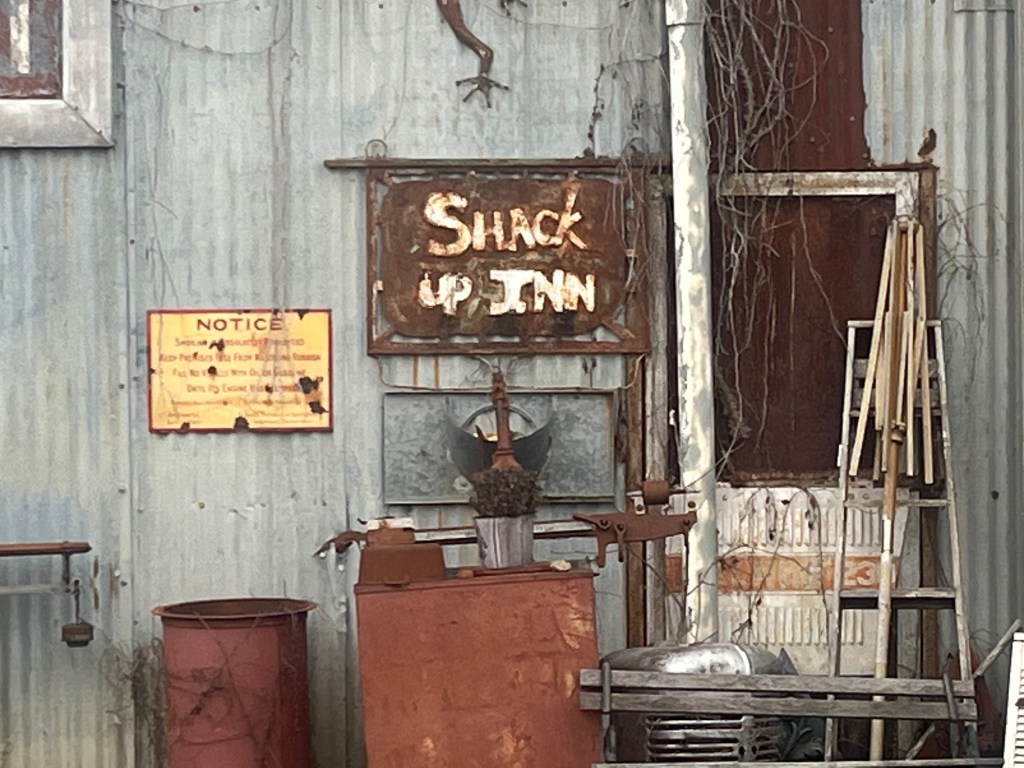
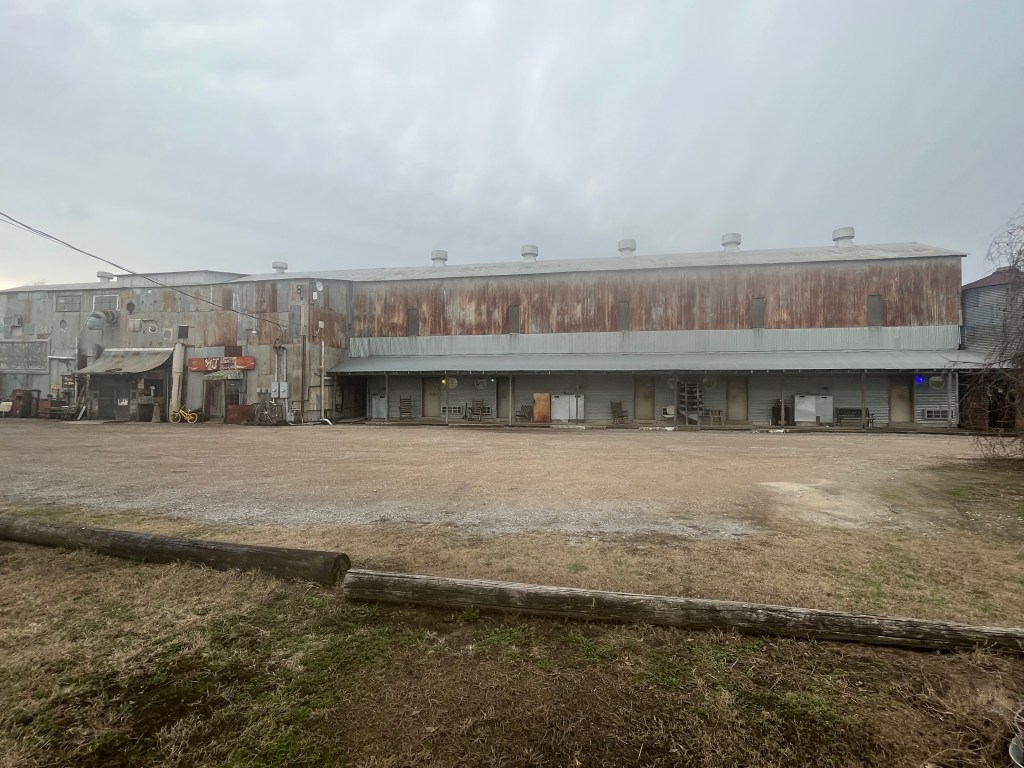
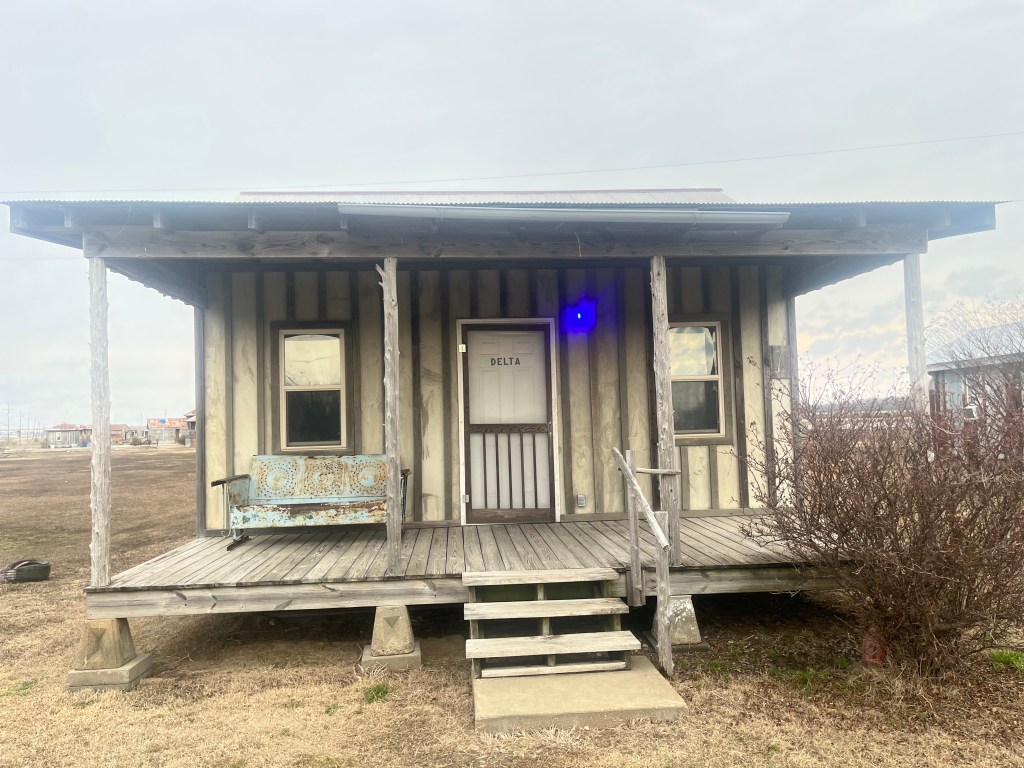
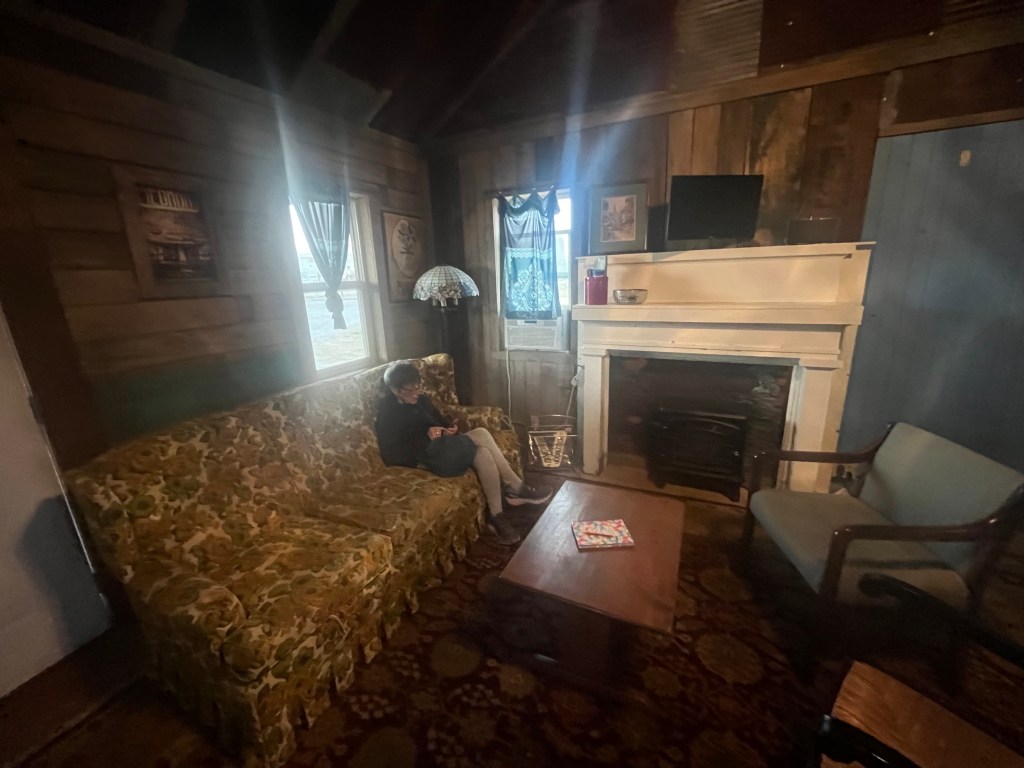
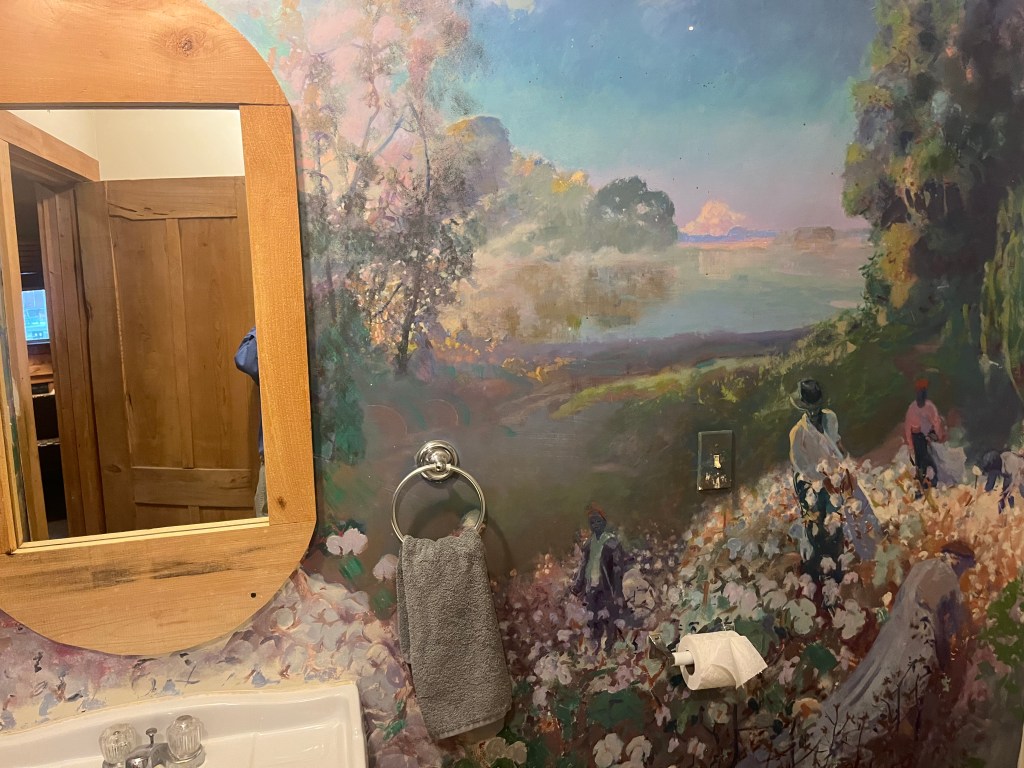
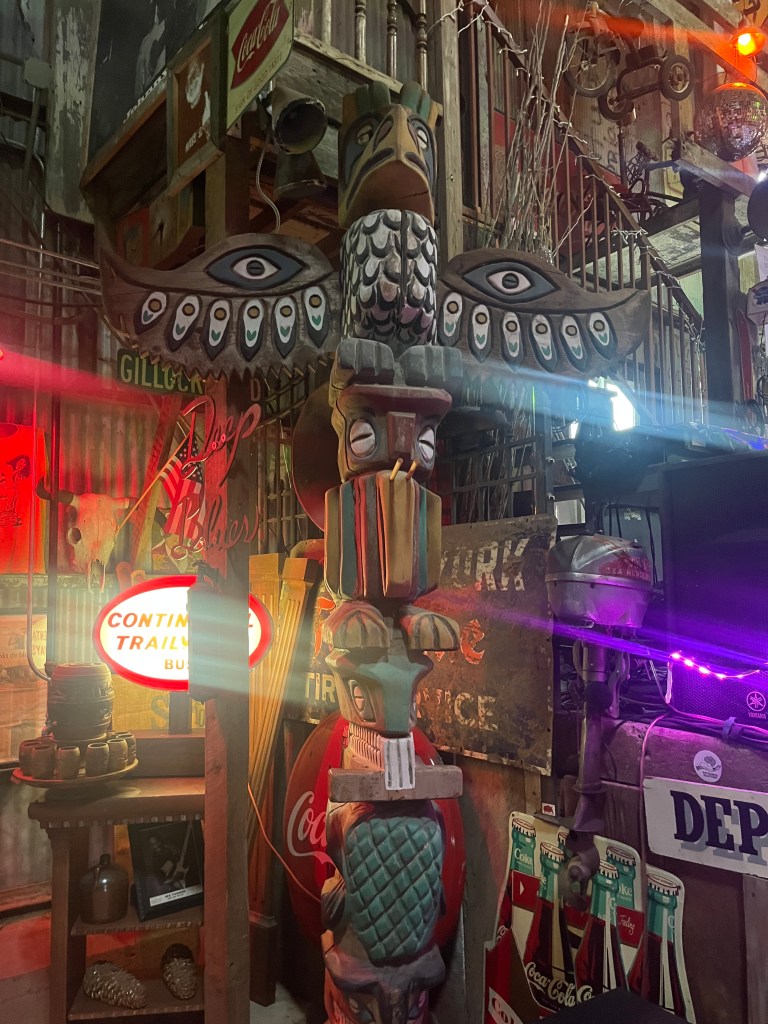
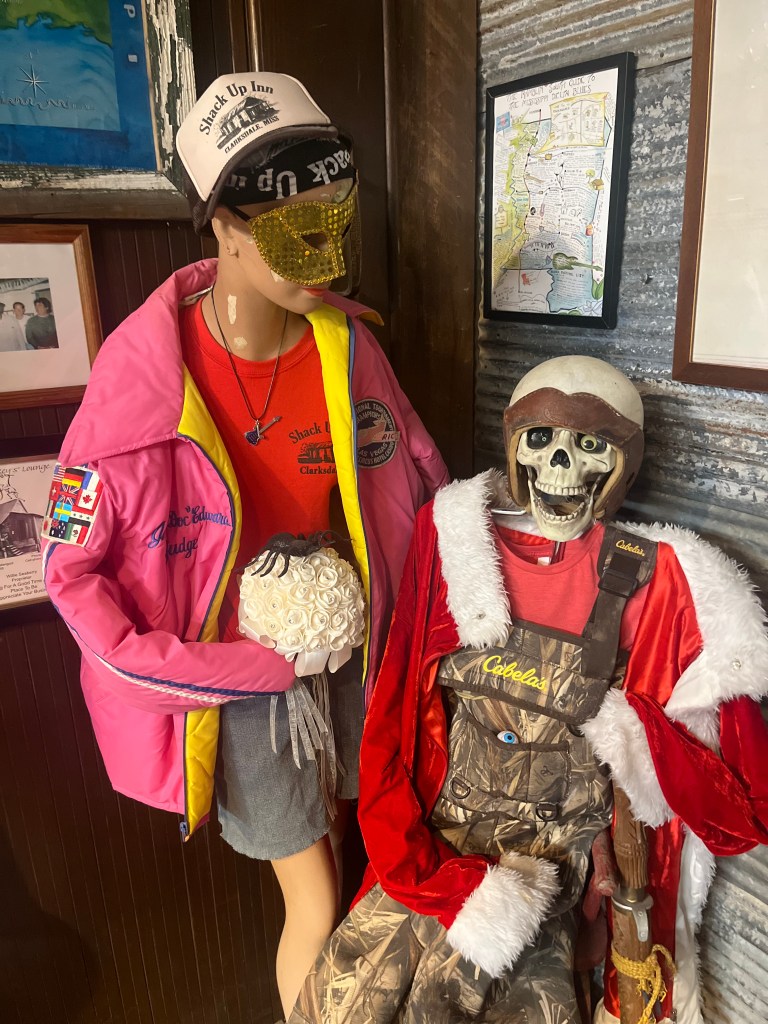
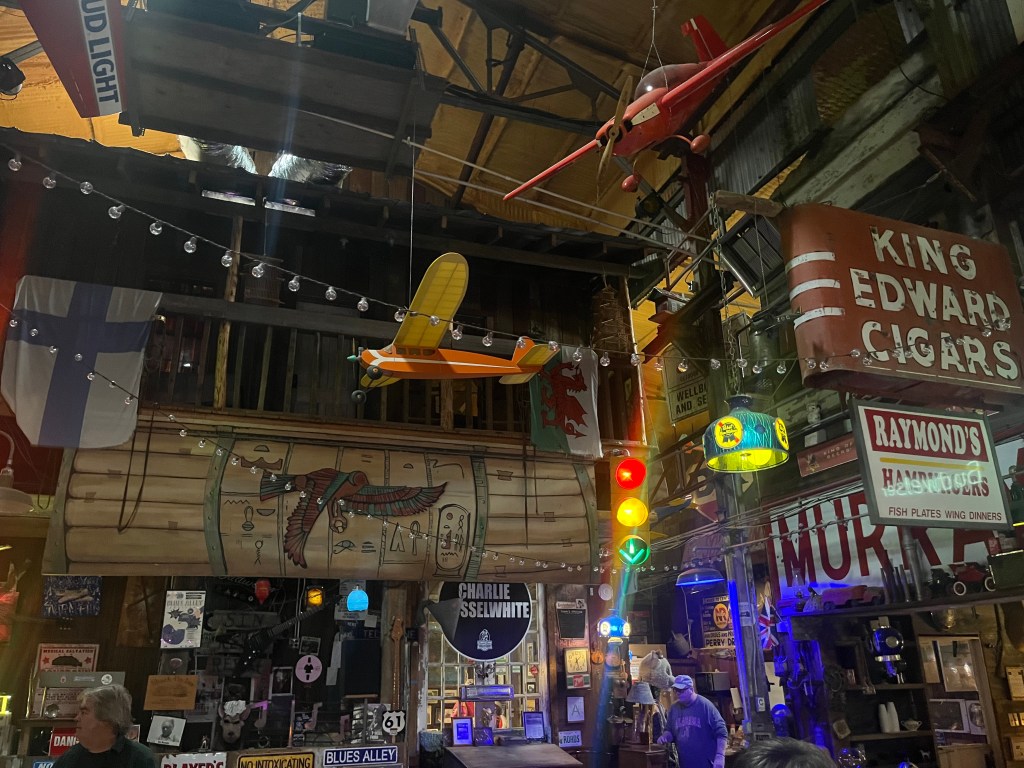
Our lodging in Clarksdale was not our usual roadside motel. Far from it. In fact, our lodging was one of the coolest, most unusual, most creative places to lay your head on the planet: The Shack Up Inn. Its owner and creative force is Bill Talbut, an indisputable genius of junk. One of the reasons I want to spend a winter in Clarksdale is just to be able to hang out with and work with Bill for a few months. His brain is a marvel! (Bill, if you are interested, my labor is free … and since I am only one year older than you, you have a good sense of my work speed.)
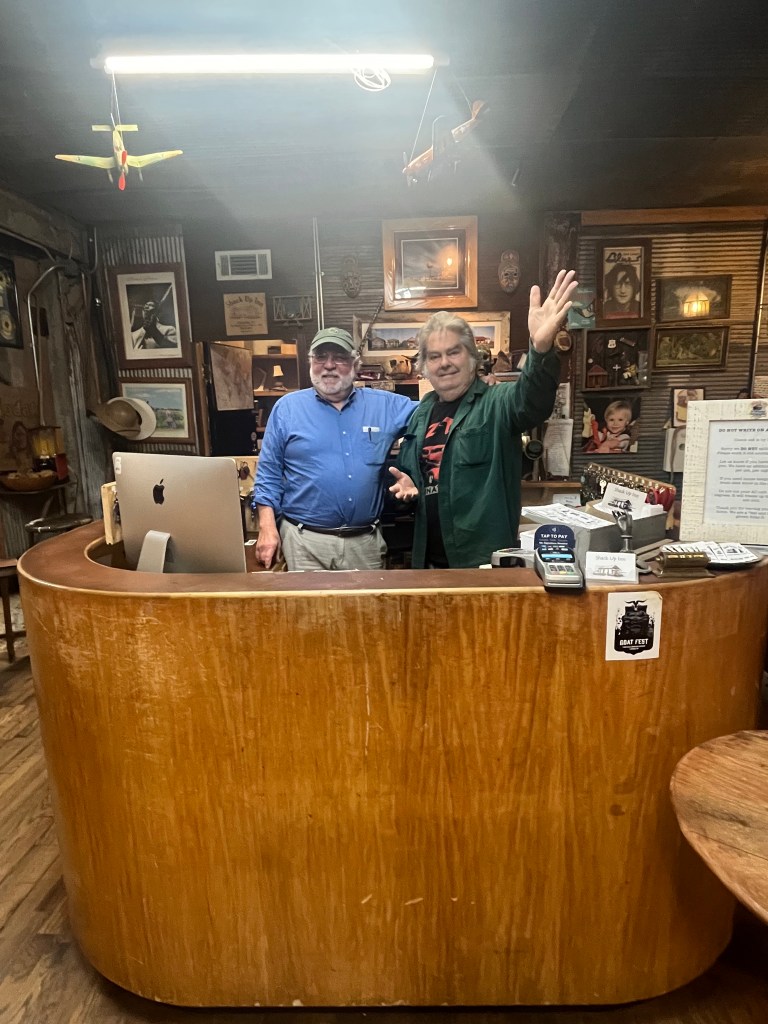
John Talbut, mastermind of The Shack Up Inn and its principal collector. An indisputable Genius of Junk!

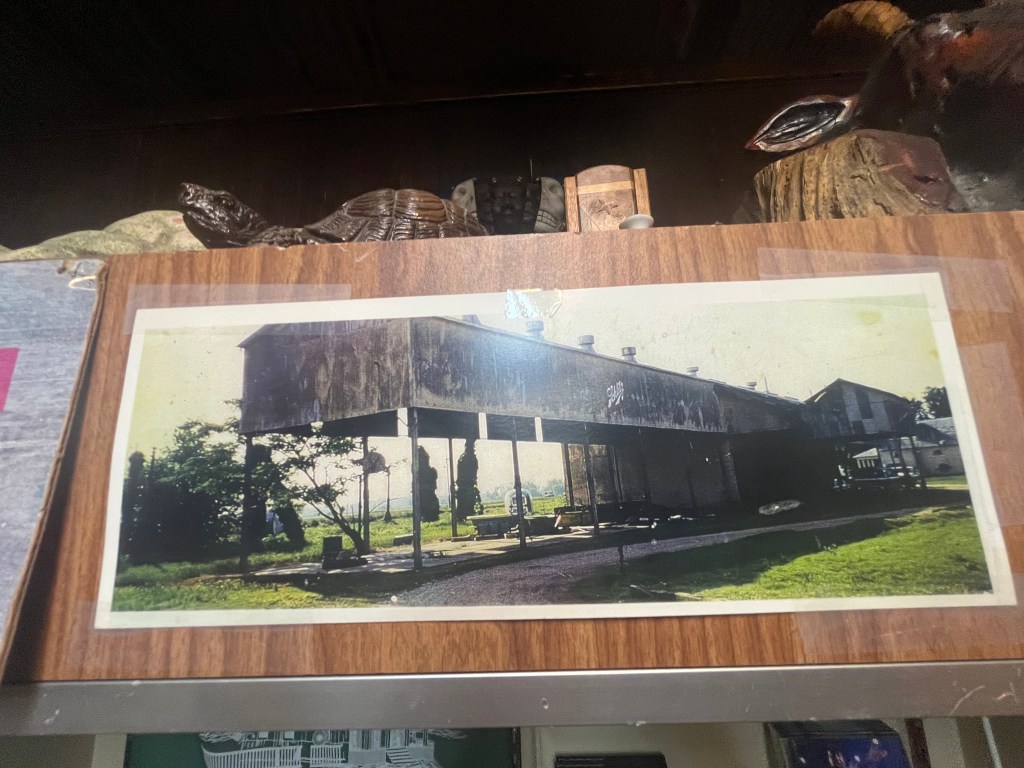
After a number of careers, including selling shoes in Houston, Bill found himself broke in Clarksdale in his late 40s or early 50s.  He acquired some land just south of Clarksdale and started collecting and rehabbing old Delta shacks. He fixed them up, retaining all of their Delta personality, and rented them out by the night to travelers. First thing he knew, he had the Shack Up Inn. He now has about 50 units, one cooler than the next. The pictures do way more justice to the Shack Up than anything I could write … except THANK YOU Bill, Tory, and everyone else there! You guys all totally rock!
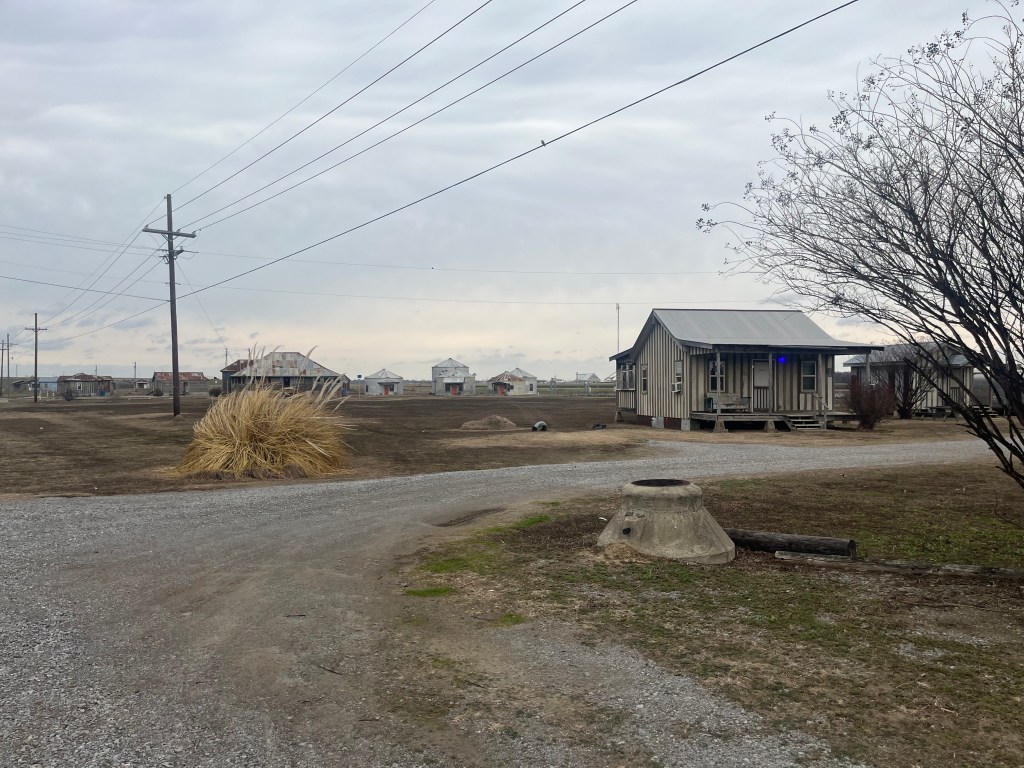
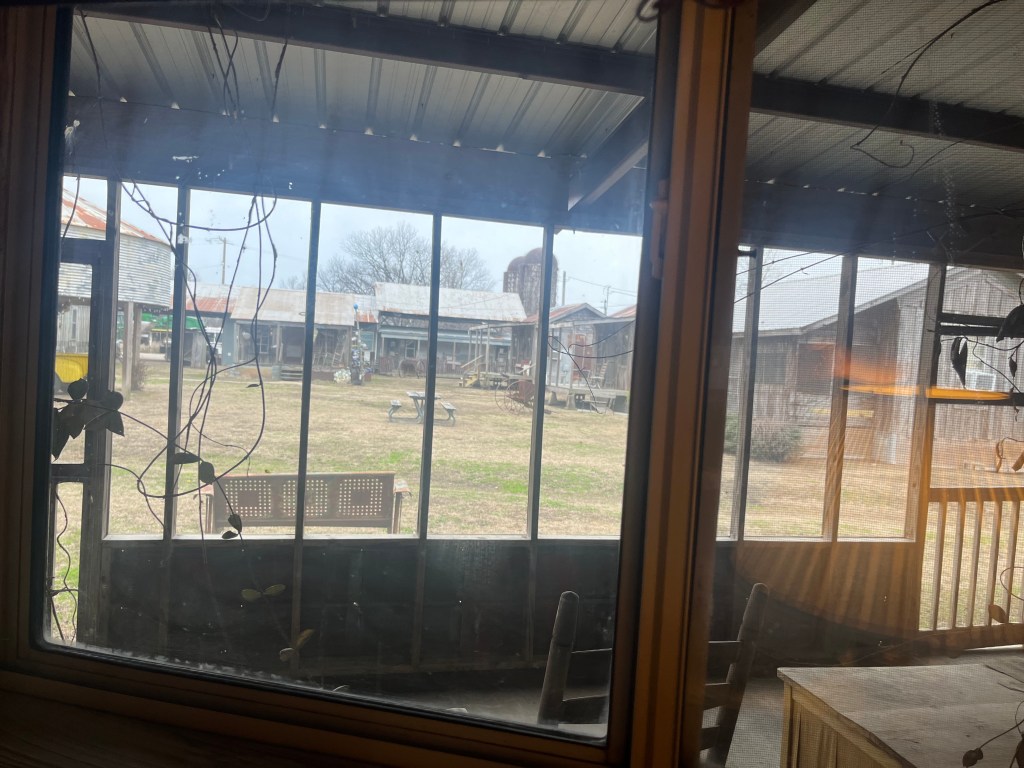
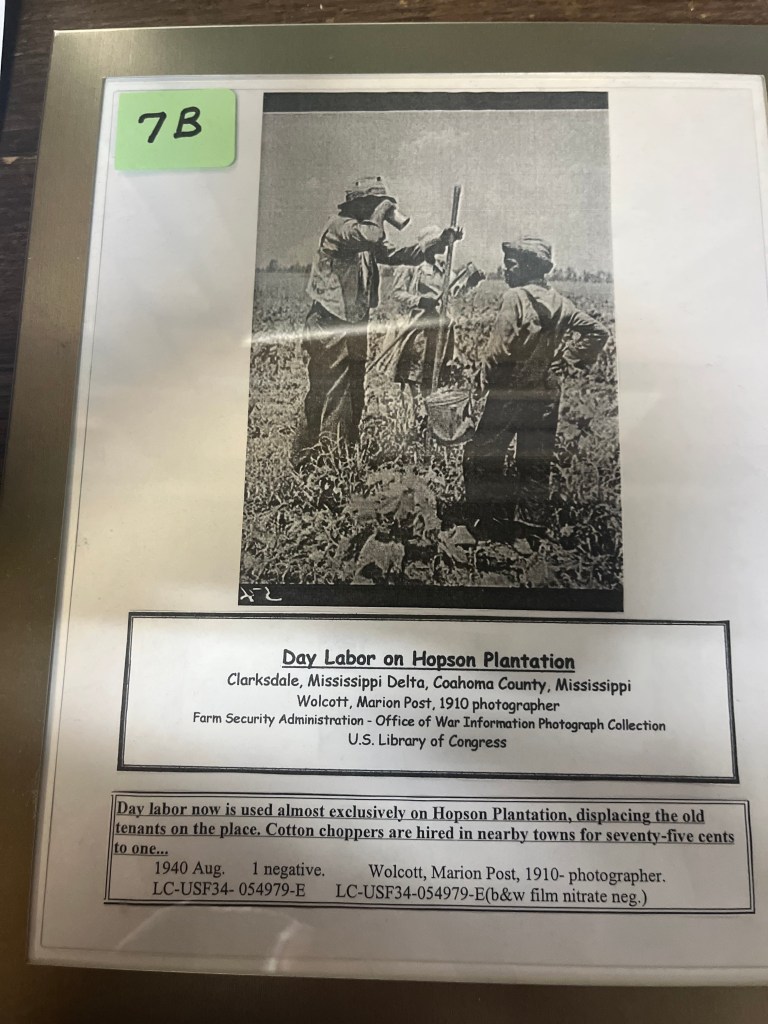
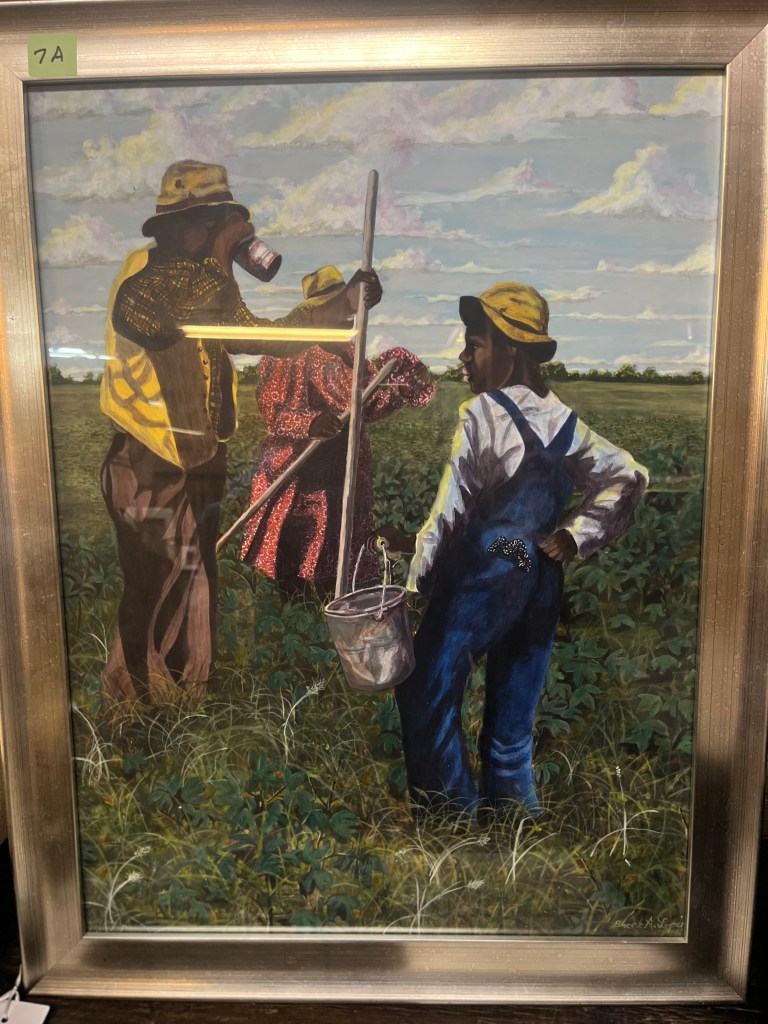
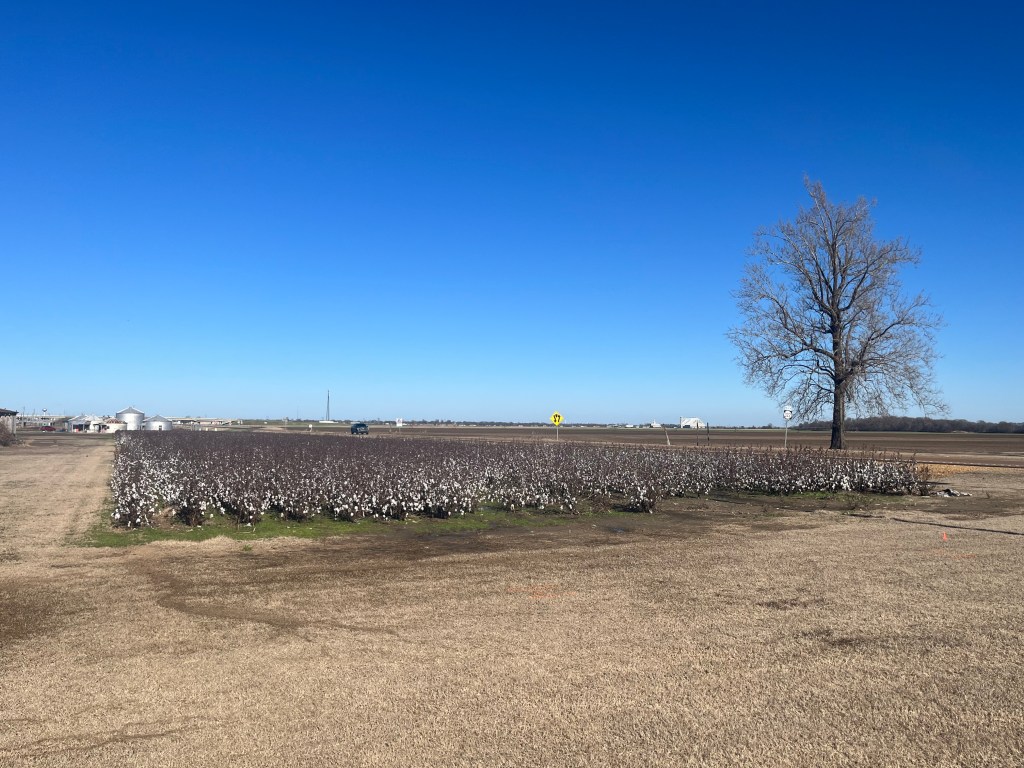
A local cotton farmer plants this small plot at The Shack Up Inn every year, leaving the cotton plants intact. He plows it under in the spring and plants it again. He and Bill reckon it might be the single-most photographed cotton field in the whole world. Also, FYI, in case you have never been, the Delta is really, really, really flat!


Helena: A Sad River Town and the Elaine Massacre
In the late 19th and early 20th Centuries, when riverboats plied the Mississippi and Ohio Rivers, river towns thrived. Today, with railroads, interstate highways, and river barges that carry enough fuel and crew for weeks of travel, the old river towns continue their slide into decay. Clarksdale is an exception thanks to the Blues and the marketing genius of the likes of Roger Stolle, Bubba O’Keefe, and Bill Talbut. Helena, Arkansas is far more typical. We have the good fortune of having a friend there, a wonderfully creative and kind young man who grew up in Nebraska around Rebecca and her kids. I first met Amoz about 20 years ago in Wilmette, Illinois when he was a young architect studying the concrete details of the Baha’i House of Worship. Amoz and his wife moved to Helena several years ago where he set up an architecture practice. 

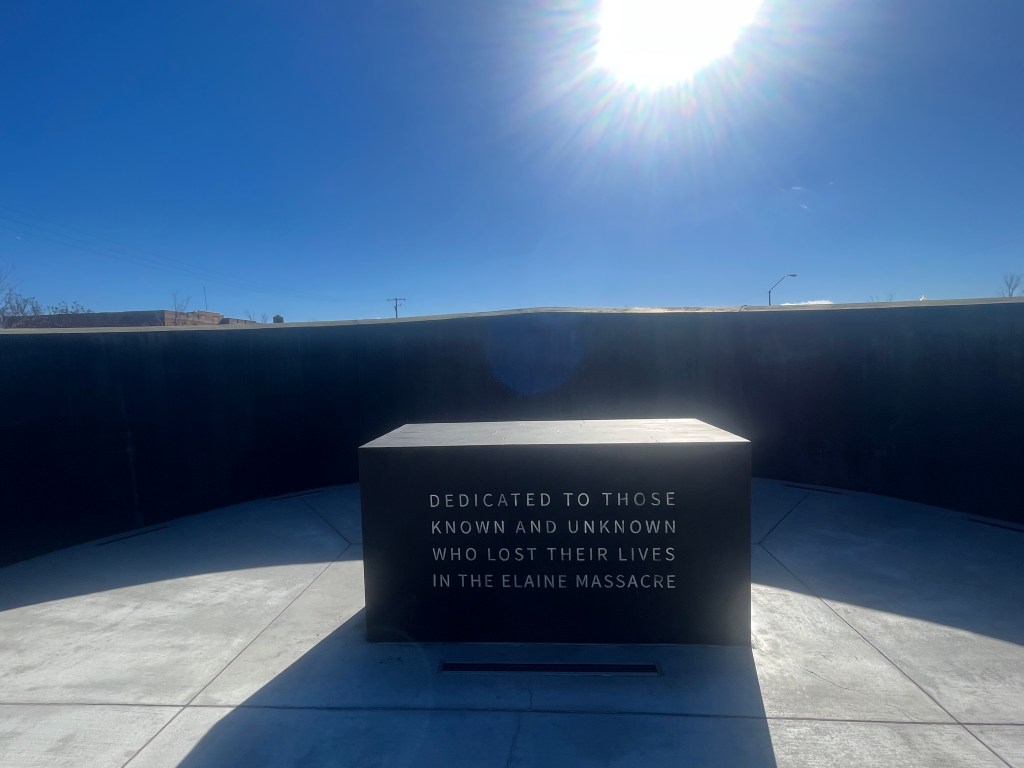
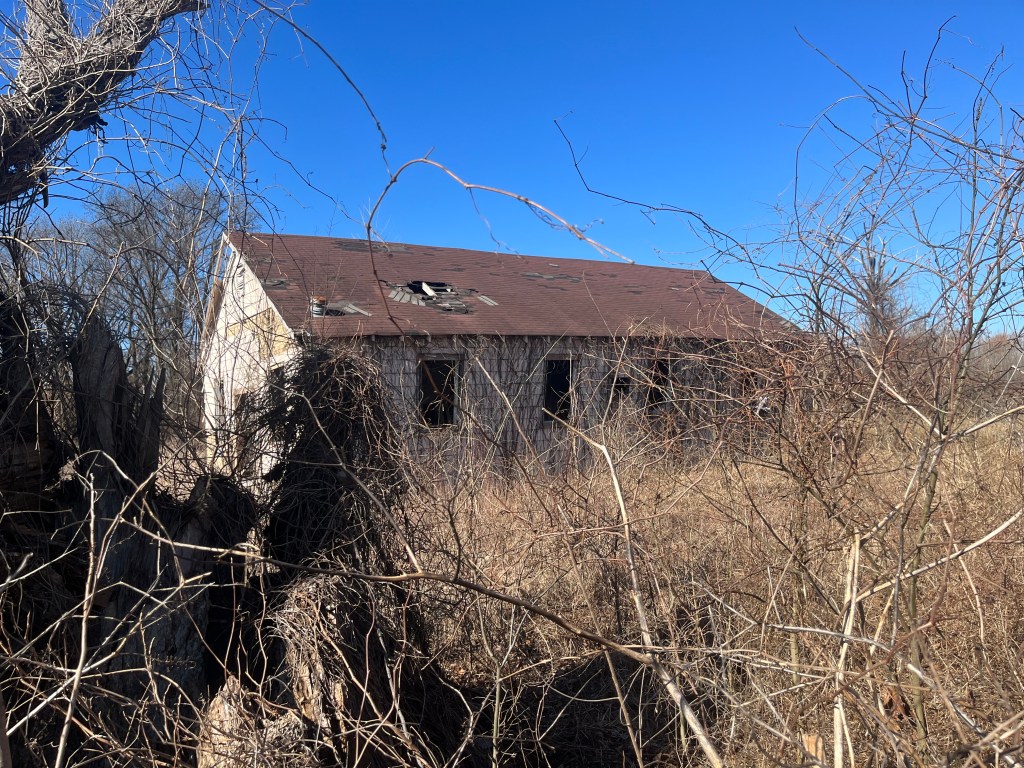
A few years ago, Amoz won a contract to design and construct a memorial to the Elaine Massacre of 1919. (The Wikipedia entry on the massacre is extremely informative and well done.) The similarities between the Elaine Massacre and the Tulsa Massacre of 1921 are shocking in many ways. It is yet another testimonial to America’s violent past. According to the Encyclopedia of Arkansas, “the Elaine Massacre was by far the deadliest racial confrontation in Arkansas history and possibly the bloodiest racial conflict in the history of the United States.” Five white men died in the conflict. Something between 25 and 856 Black men, women, and children died. Nobody knows the real number.

The conflict grew from the questionable practices of landowners who were cheating the local sharecropping cotton farmers. Theoretically, share cropping could be a road to economic independence. But the Elaine land owners deprived the sharecroppers of fair prices, fair payment, and adequate resources, such as seed, to succeed. Organizers from the NAACP and the Progressive Farmers and Household Union of America worked to improve the working conditions for the sharecroppers, including trying to secure fair payments for their crops. The white population grew alarmed at the prospect of an insurrection – an uprising – among the sharecroppers, so the Governor brought in the military, resulting in extreme violence. The Tulsa Massacre. The Scottsboro 9.The Elaine Massacre. The Atlanta Race Riots.  And on and on and on.  We are just beginning to really learn our own history … just as Governor Desantis of Florida is tamping down efforts to expand our nation’s history curricula. What a disgrace! What flagrant and divisive dishonesty!
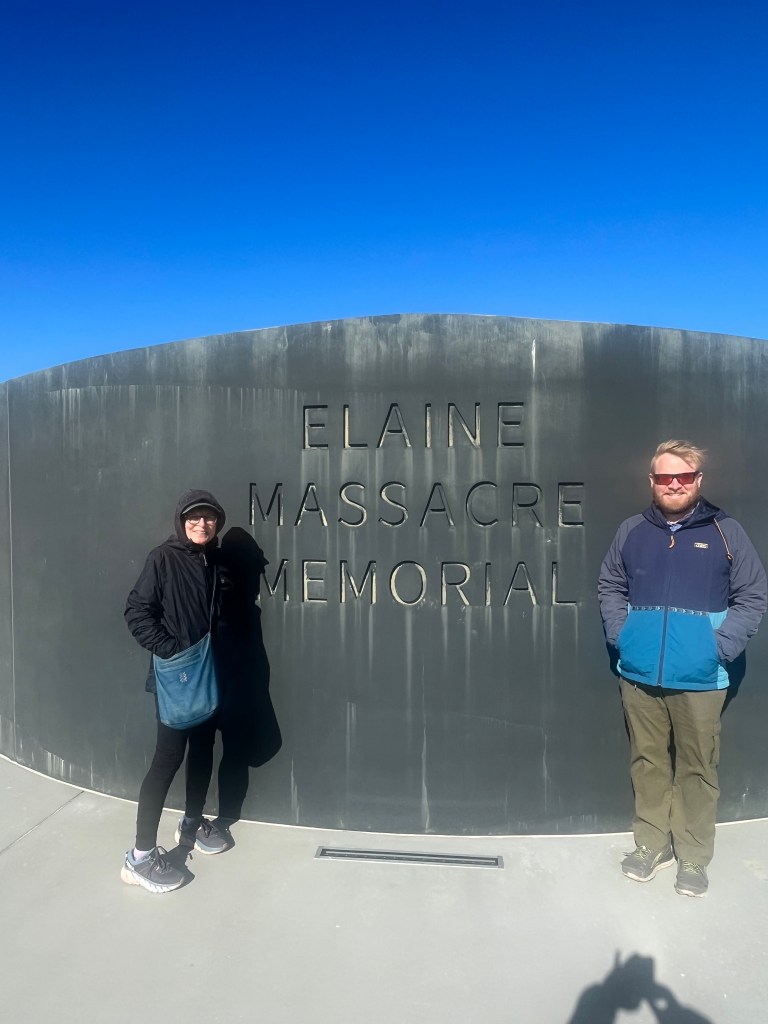
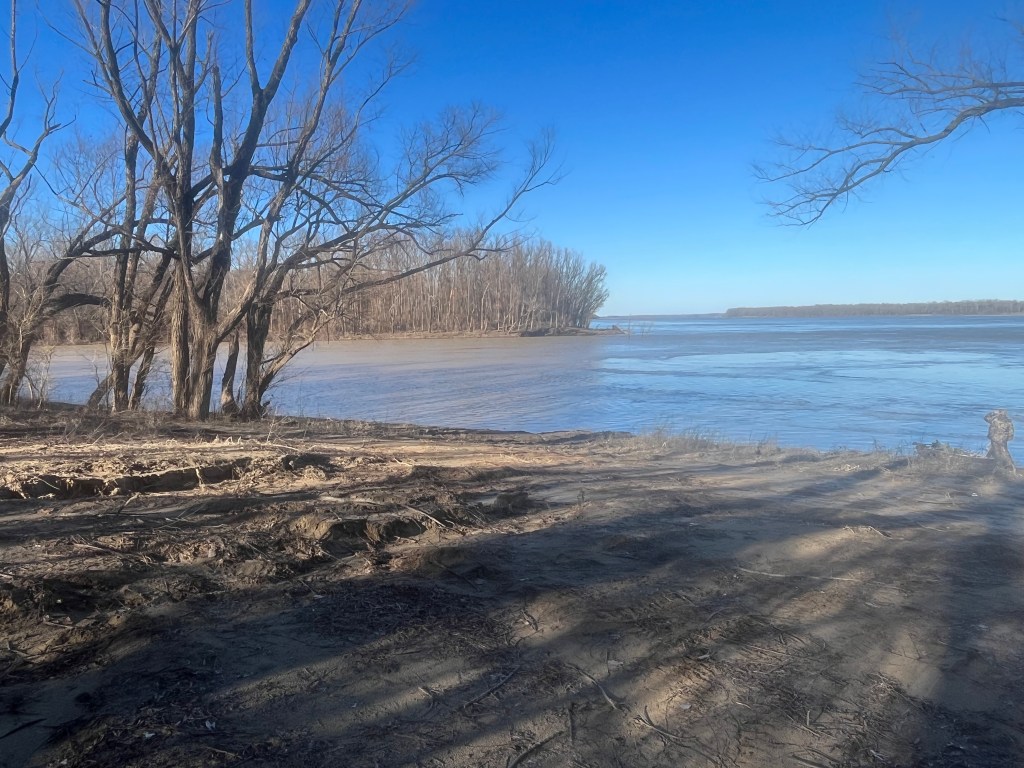
Amoz plotted our route north out of Helena. He managed to keep us on dirt roads for the first 5 or 10 miles including a little side adventure to the confluence of the St. Francis and the Mississippi Rivers. The road to the confluence was totally deserted … or so we thought. We left the car at what seemed to be the end of the road and walked through the mud to the confluence. I thought the deep, muffled noise was a distant tow boat on the Mississippi. A hunter/fisherman had managed to back his Jeep to the river and was launching a small john boat filled with gear. I yelled down to him, asking if he was hunting or fishing. He yelled back that he had been out in his boat a few days before at the same time of day and had seen about 20 hogs and 10 deer. He was on his way back to see if he could snag any.


The Best Memphis Ribs Yet!
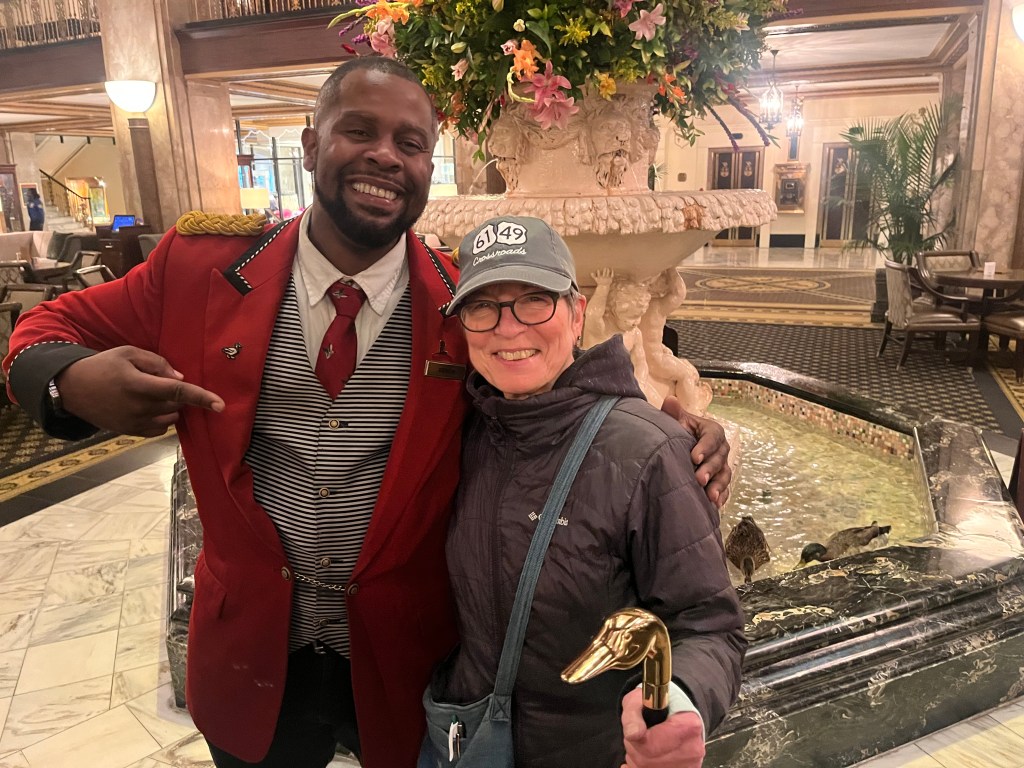
The best Memphis has to offer: Kenon Walker, the Duckmaster at the Peabody Hotel. I cannot imagine a better job!

About 20 years ago, when my daughters were young, we went on a family adventure during February vacation to Memphis, then through the Delta to New Orleans. The trip began with my old college friend Syd. Syd went to five of the very best rib joints in Memphis and bought an order of dry ribs, an order of wet ribs, and an order of cole slaw at each. He then arranged a blind taste test for us. The next day, none of us could remember which BBQ joint won. They were all fantastic. We ate ribs all the way to New Orleans!

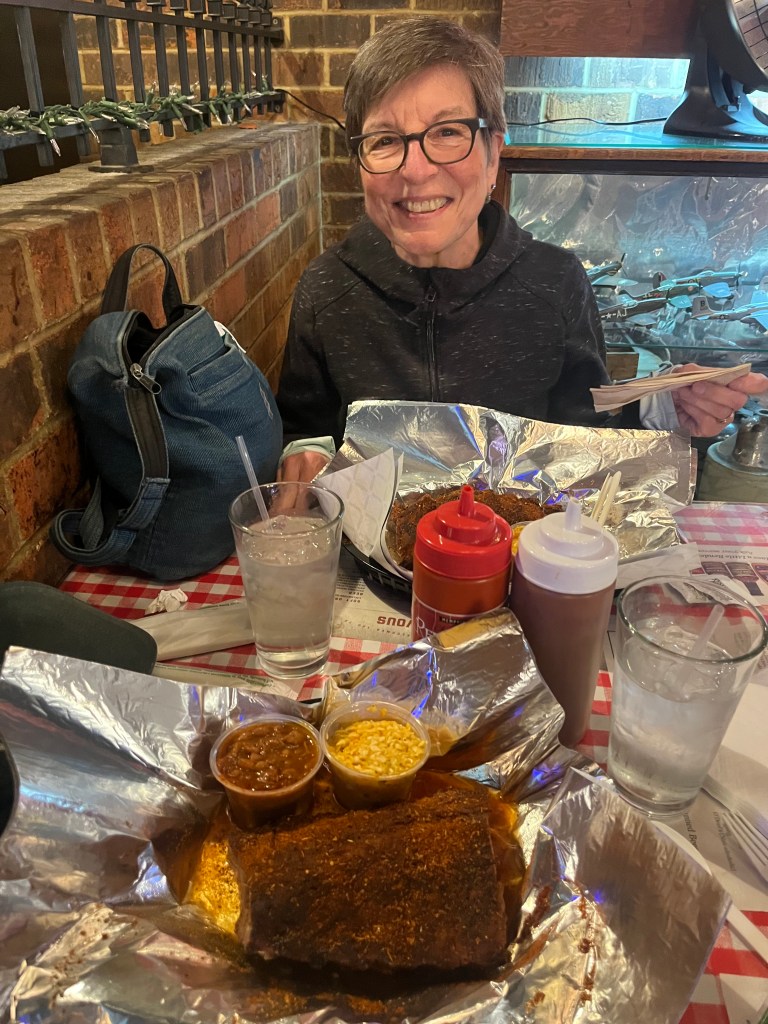
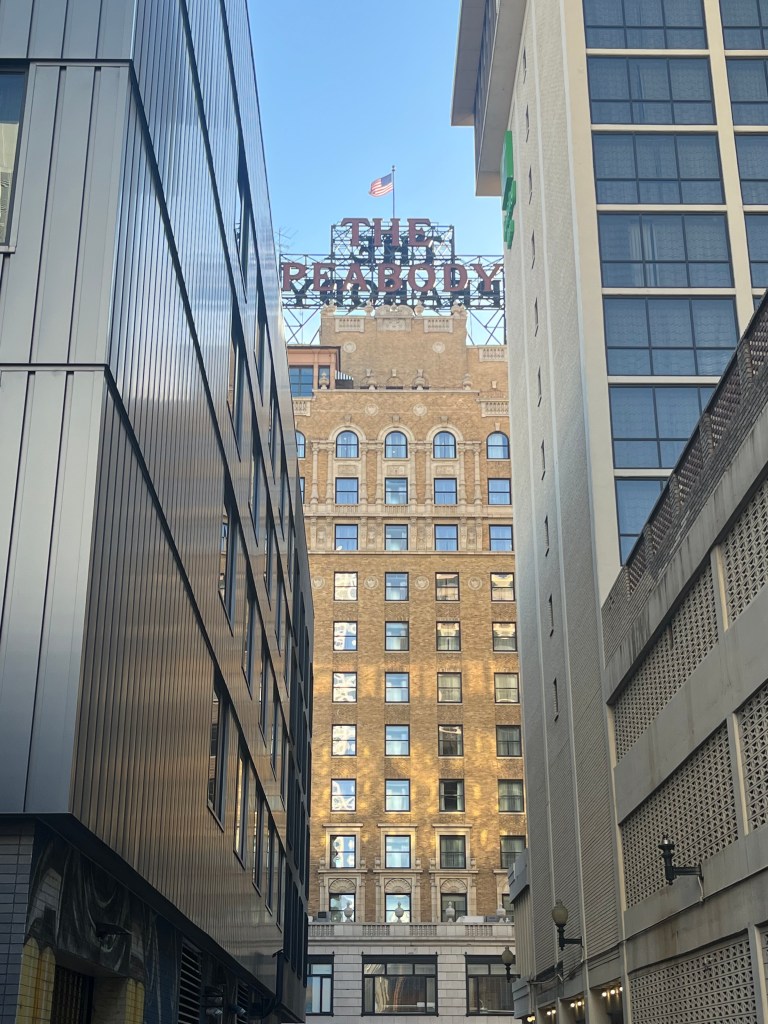
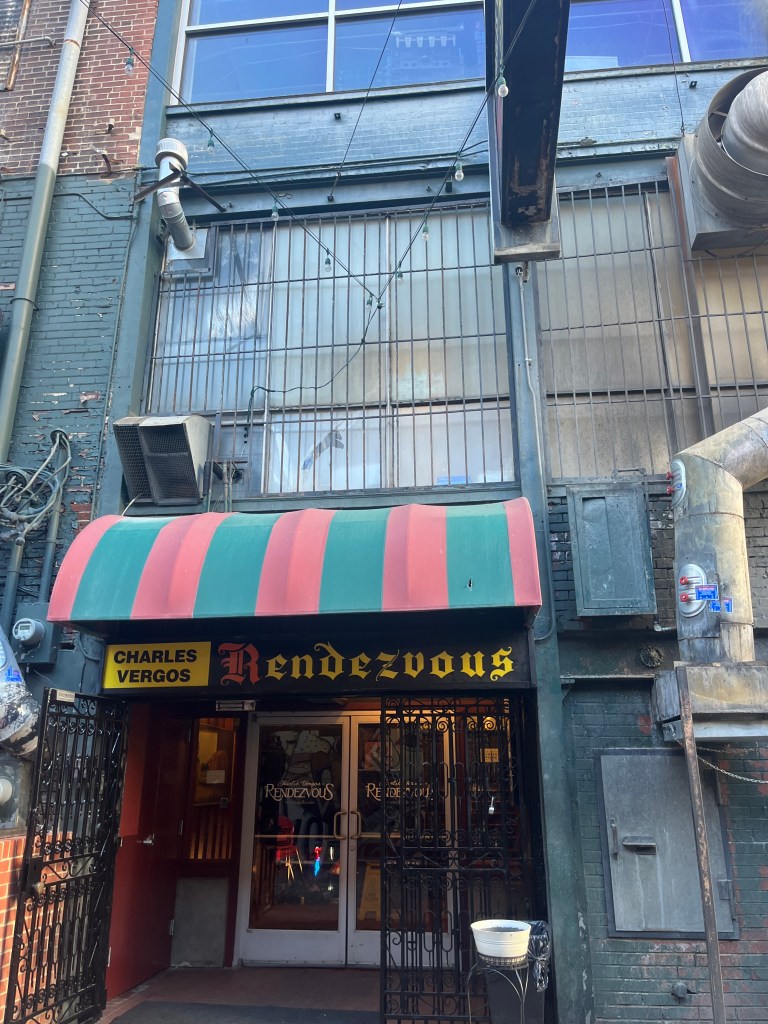
Before leaving Memphis on this trip, Rebecca and I needed to eat us some ribs. (Syd and his wife Lauren had fed us some kick-ass wild duck the night before.) Syd recommended The Rendezvous, a 75-year-old joint downtown, in an alley right across the street from the famous Peabody Hotel. It was perfect for three reasons. 1) We were headed in the right direction, since we planned to stay on the Arkansas side of the river for the first portion of the trip to St. Louis. 2) We got to visit the Peabody. 3) They were hands-down the best ribs I have ever eaten. The rub includes some Greek spices, like fennel and rosemary, that adds amazing flavor, and the meat retains some body and chewiness even after eight hours of cooking. The slaw, dressed with a simple mixture of yellow mustard and white vinegar, can’t be beat. (The pitmasters, by the way, cook FOUR TONS – 8,000 pounds – of ribs every week!)
From Memphis, we headed north, starting the final leg of our journey home. We drove through Sikeston, Missouri. We had stopped at Lambert’s in Sikeston on the way west for their ridiculous quantities of southern cooking and “throwed rolls.”  We did not stop a second time.
Odds and Ends

From Frank Lloyd Wright to bison, from more ghost towns to insane juxtapositions, and from general hilarity to even more barbecue, we’ve been having a grand adventure! Pull up a seat and enjoy some it along with us.

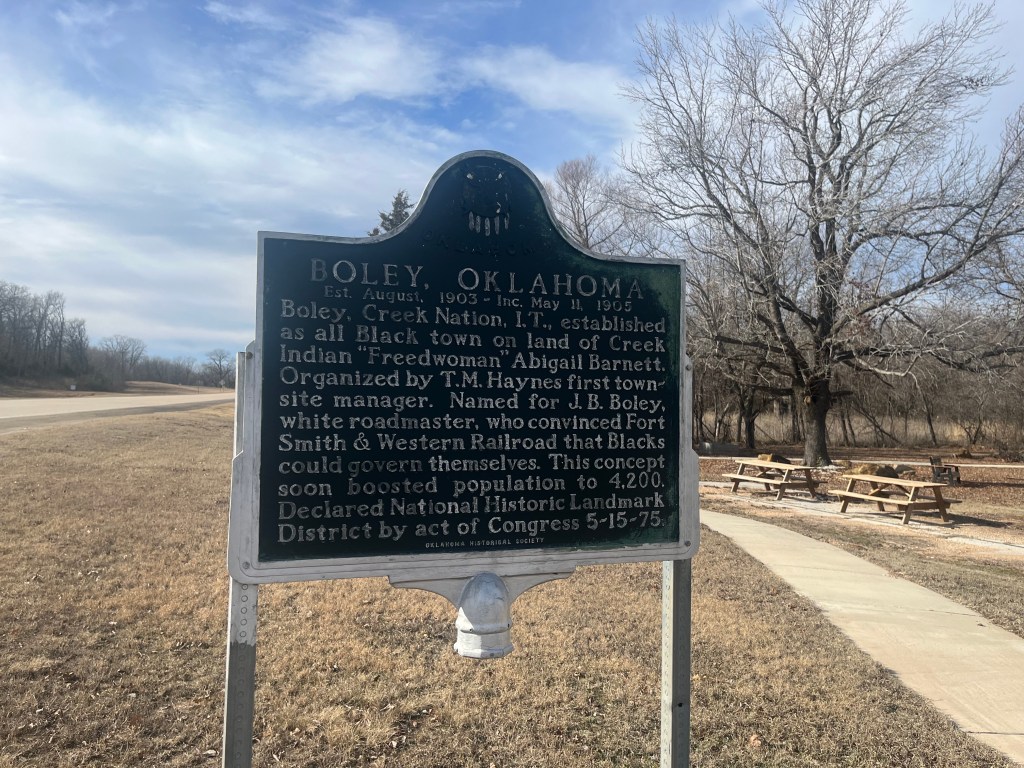
Boley, Oklahoma was founded in 1903, one of several all-Black towns in the state. Boley, we were told, is one of the only such towns still in existence. There is a park, a “police” building, and a tiny storefront Post Office. Initially, we just missed it, driving right by it, so we turned around and tried again. Once we found it, we looked for signs of life or people to engage in conversation, but no luck. There’s just not much left.


Serious culture in Bartlesville

Those of you who have known me for a long time probably remember Cathryn Delude. We worked together for a few decades at The Writing Company and did a lot of great work together. I vividly remembered that Cathryn grew up in Oklahoma, and I kinda remembered that Bartlesville was part of that conversation. (Cathryn and I met through solar energy; her father worked as an executive in the oil business. She now lives in Santa Fe.) Bartlesville is ALL oil, home to Phillips Petroleum.

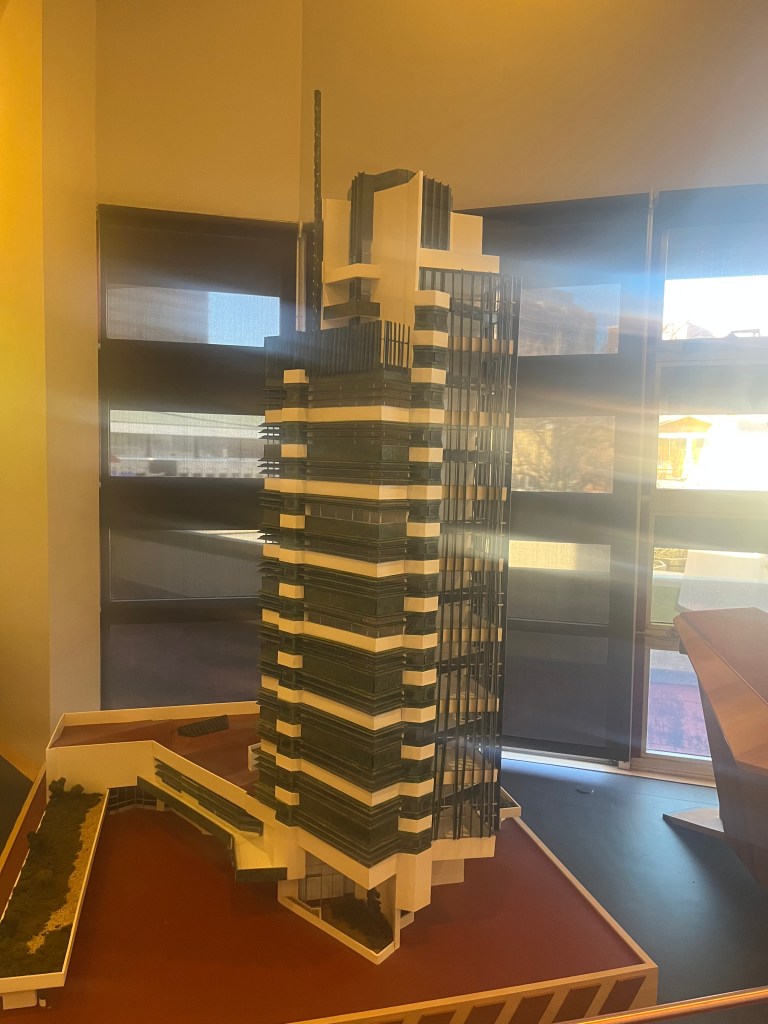
It turns out that Cathryn had indeed lived in Bartlesville through 6th grade. She told me about a Frank Lloyd Wright high-rise building there: the Price Tower. Both her doctor and her dentist had offices in that building. It is Wright’s only completed skyscraper.

Thanks to booming oil, by 1926 the HC Price company had become the largest welding contractor in the central US. In 1952, the Price family visited Frank Lloyd Wright at his Taliesin home in Wisconsin, and they became buds and tossed around ideas for doing something together in Bartlesville. Wright had designed the tower in 1929, but it not been built. In 1956, it opened in Bartlesville.

Finding the building requires zero effort. It is among the tallest buildings in town, and since it was built one-story at a time around a core of elevator shafts with each floor cantilevered against the core, there are no rectangles and precious few right angles.

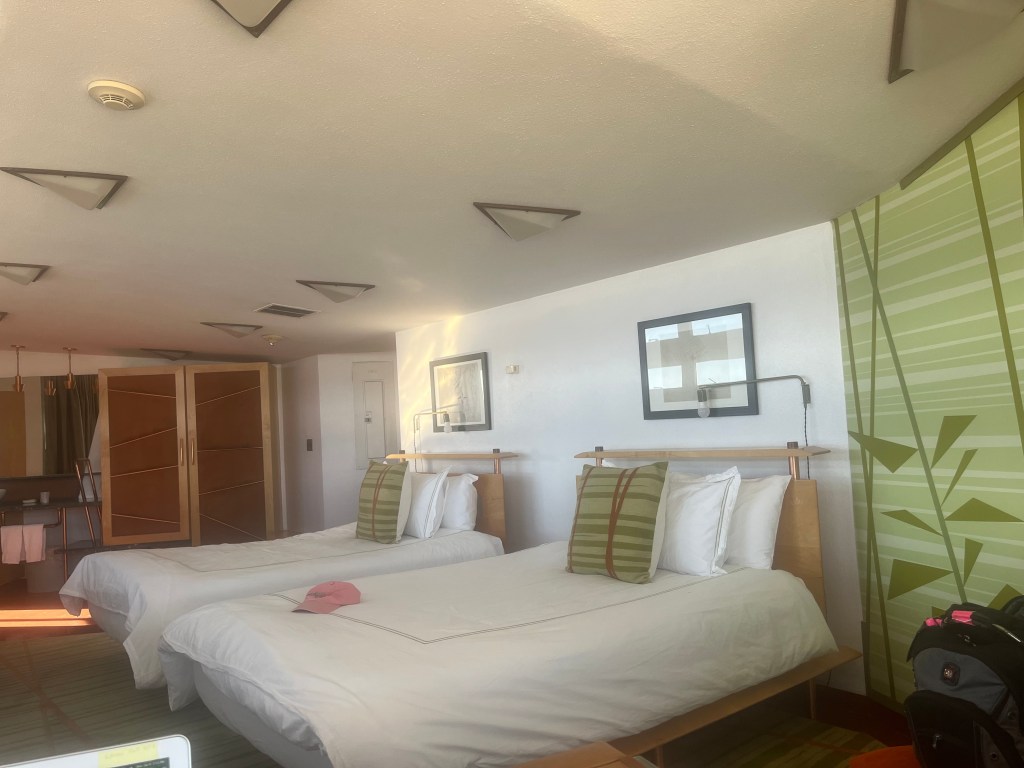
We pulled into the parking lot to check it out and discovered that lo and behold, in addition to housing offices and condos, it was also now a hotel: The Hotel at Price Towers.

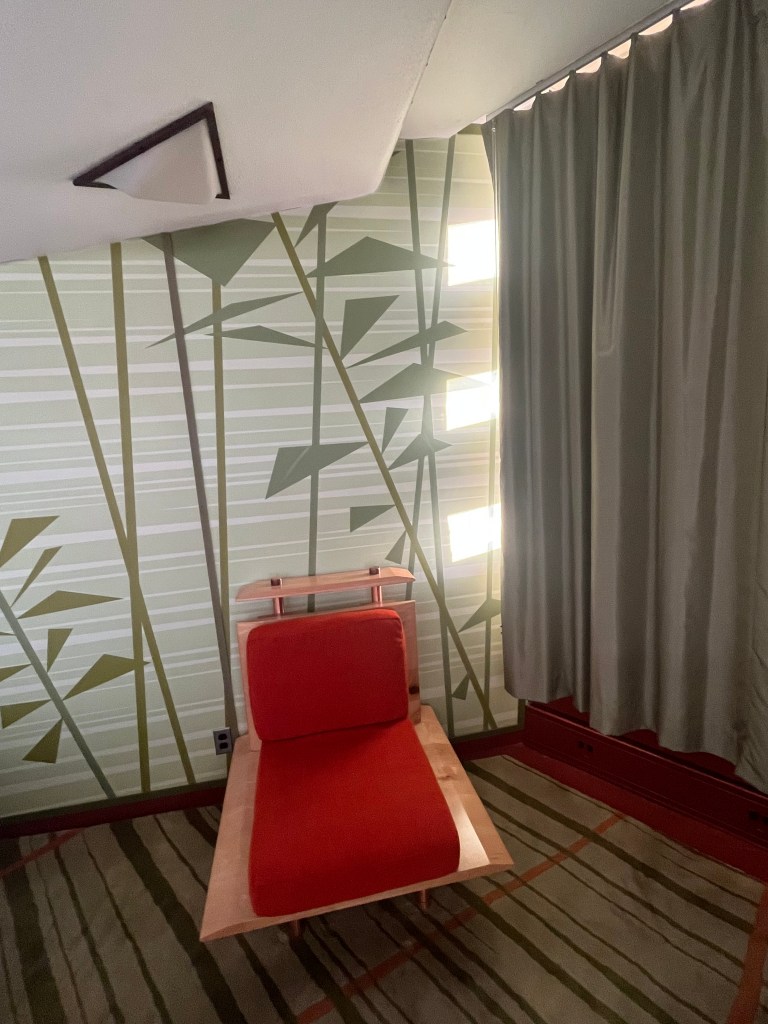
DeMarco, the guy at the front desk, was super nice. We looked at a bunch of rooms. They were all different and all ridiculously cool. The price was reasonable (thanks to a Hotels.com deal). How could we not stay there!


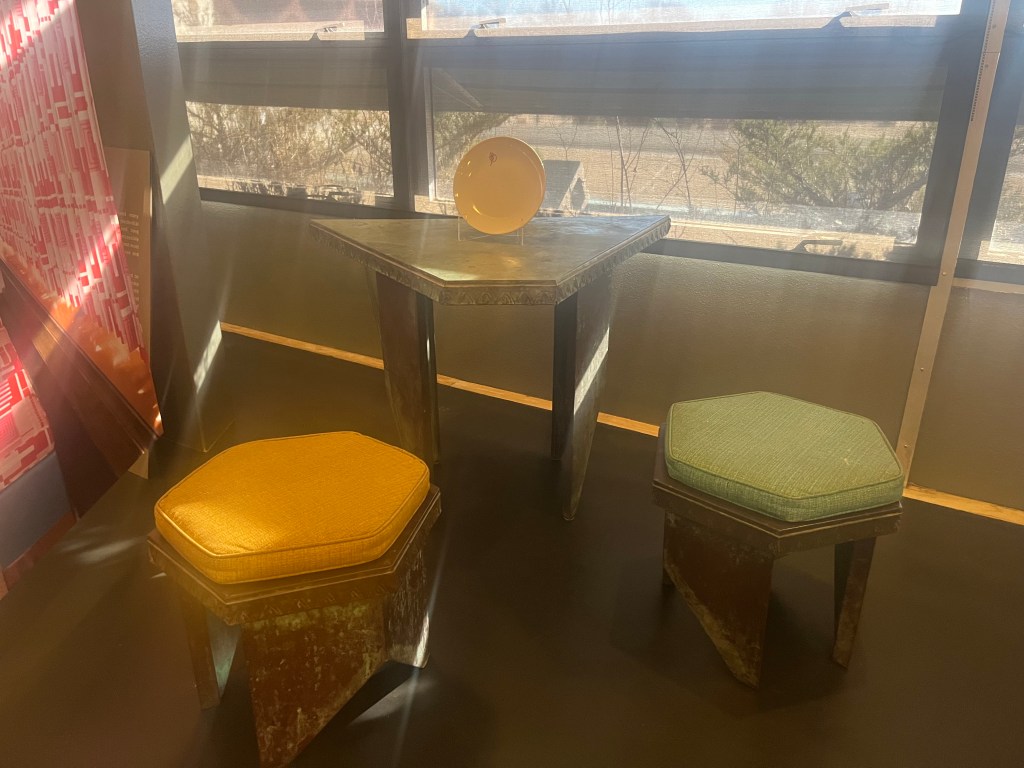
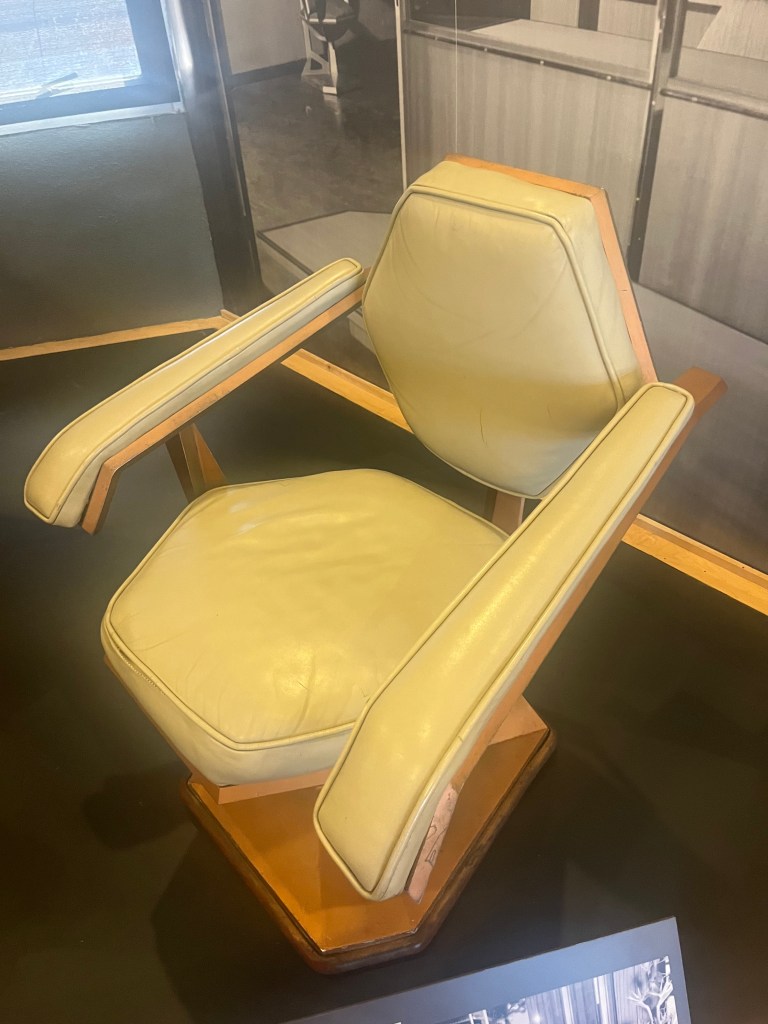
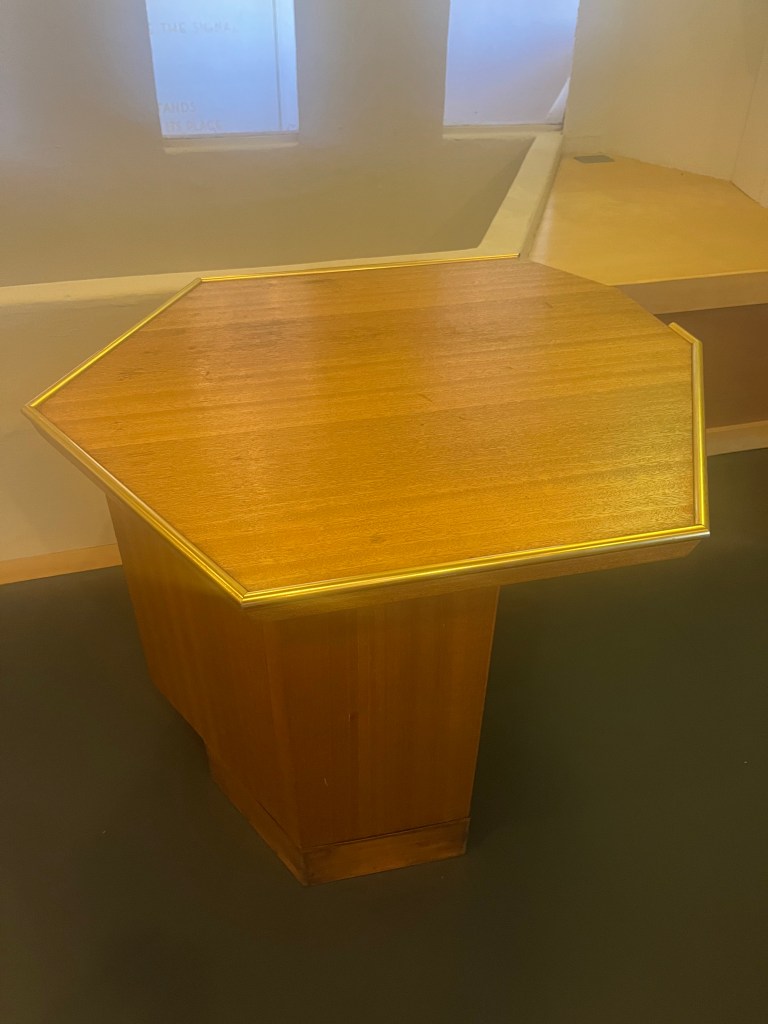
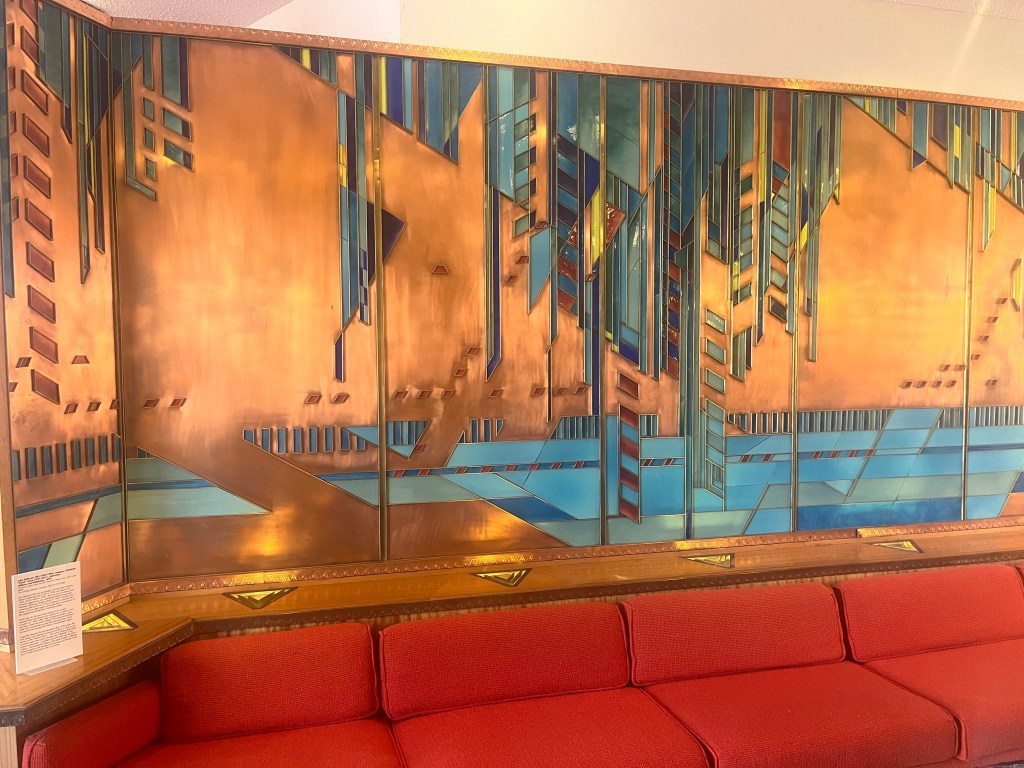
The second floor is a museum of the building’s architecture. The furnishings, while not original, are all re-created in the style of Frank Lloyd Wright. The artwork on the walls are reproductions of the original drawings. Damn, it was cool!

Several years ago, I had the good fortune of facilitating a couple of meetings at a Frank Lloyd Wright-designed retreat center: Wingspread in Racine, Wisconsin. (Hi Lynn and Mary Ann!) From jaw-boning the maintenance people there, I learned how challenging Frank Lloyd Wright-designed buildings can be to operate. The Price Tower did not disappoint.

DeMarco first put us in a room on the 13th floor. (The elevators, BTW, were original and very slow.) The room was cold, but it had a stand-alone space heater. The space heater didn’t work. Then we tried to wash up for the night. We ran the sink. No hot water. We ran the shower a while. No hot water. Our morning showers seemed questionable, so I went back to the front desk. (Indeed, we learned, 13 floors is a long way for hot water to flow.) We changed to the same room on the 7th floor where we finally got some warm water. Unlike the first room, this one was stifling. Steam hissed regardless of what we did with the thermostat. Plus, the TV wouldn’t work, so no evening news. (Frank Lloyd Wright had nothing to do with the TV not working.) Despite the crisp outside air, we slept out of the covers, and we were able to enjoy an almost-warm-enough morning shower.

We loved the adventure of the place. We would stay there again and recommend it to others (with caveats). When we left, we told DeMarco of our adventures, uncritically and without expectations. He graciously discounted the room for us. All-in-all, an exquisite adventure!

Home, Home on the Range

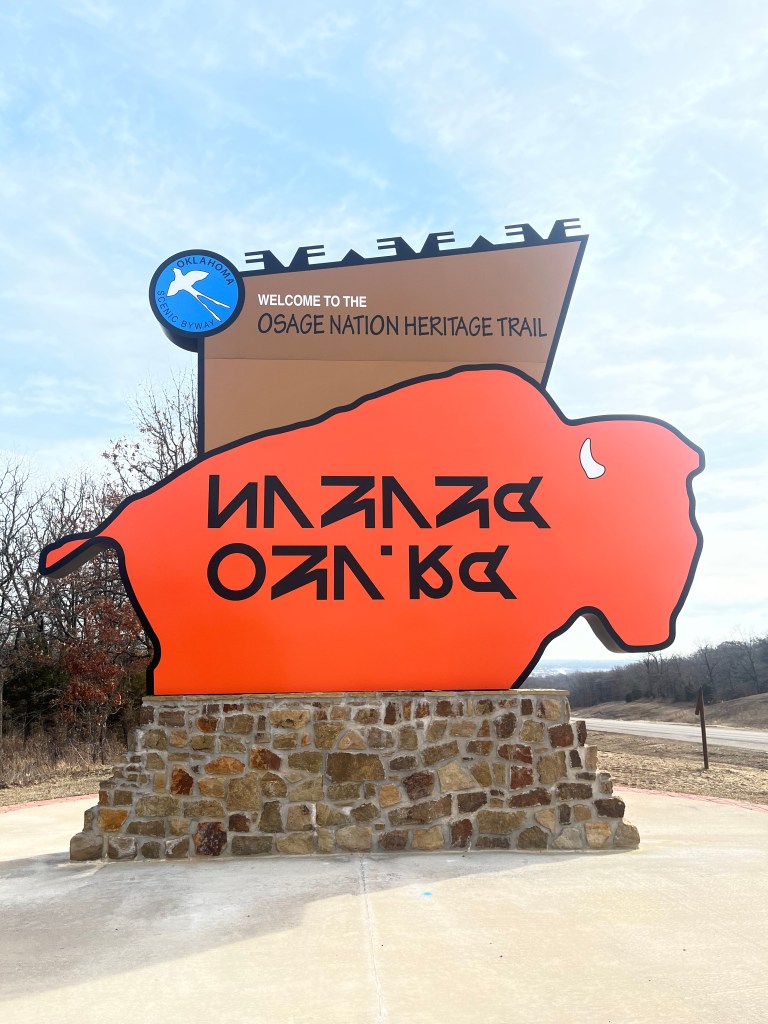
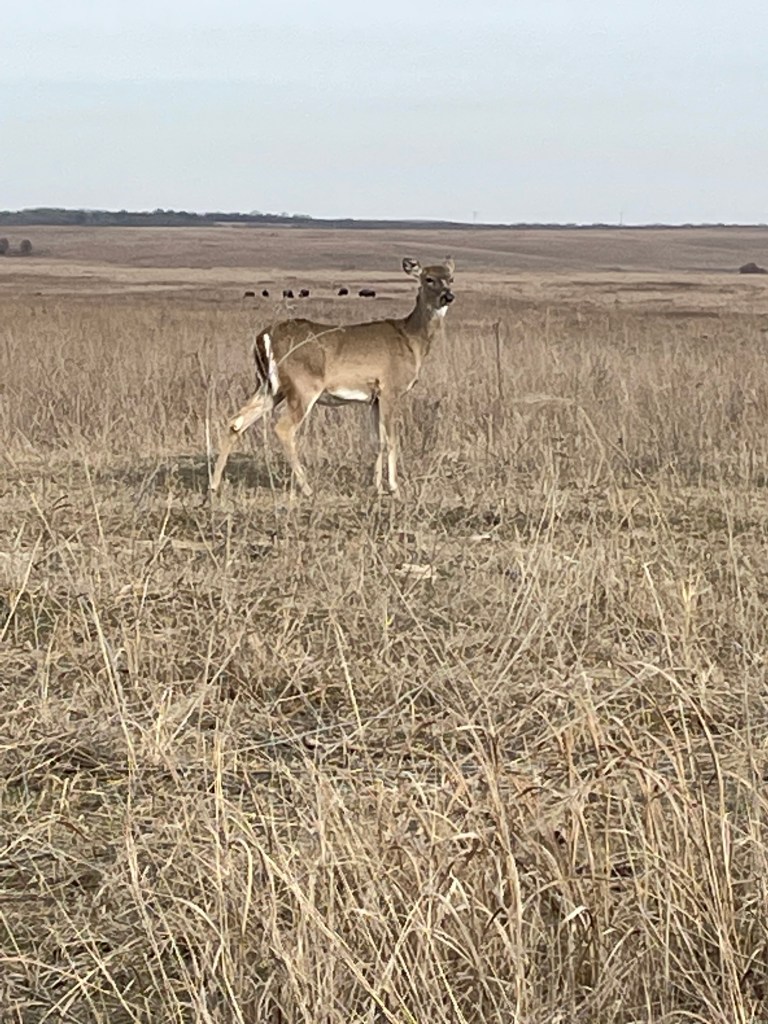
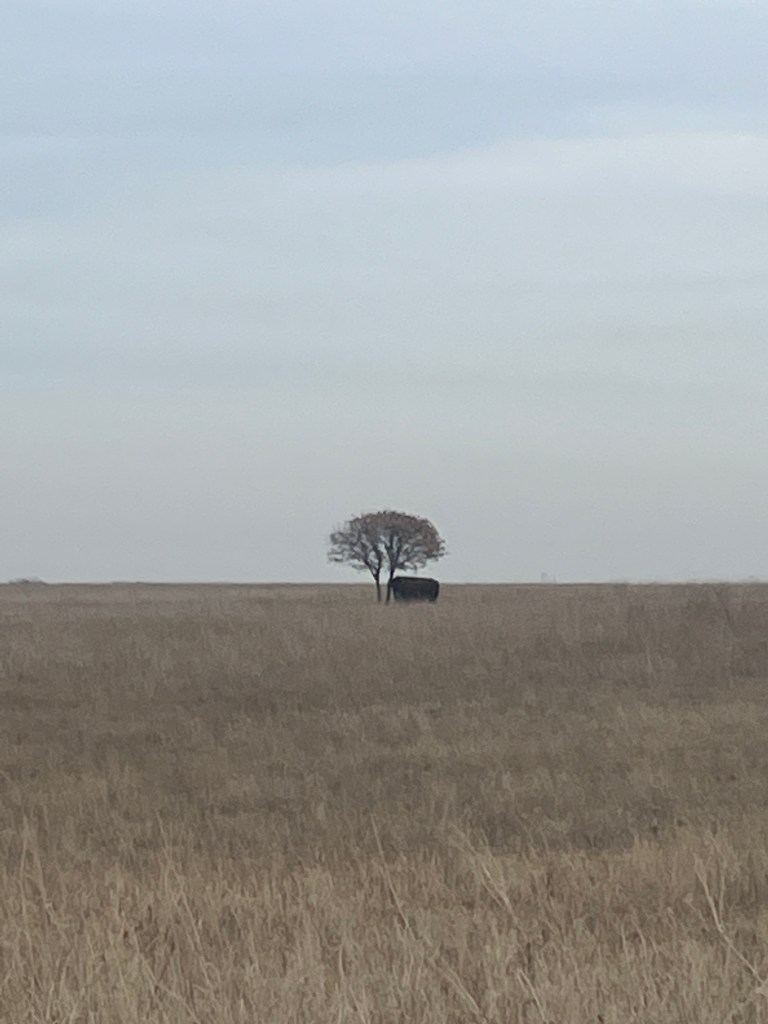
From Bartlesville, we entered the Osage Nation. In the middle of the territory, we drove north from Pawhuska into the Tall Grass Prairie, a 40,000-acre preserve now managed by the Nature Conservancy. We went to see the bison – 2,000 of them.

Traveling in the off-season is the best of the best. As we drove, we were practically alone in the prairie. When another vehicle did pass, we could see the approaching dust cloud for a few miles. We saw lots of bison from a distance and a goodly number from pretty close. “Pretty close” was as close as we wanted to get!

Bison, we learned – all 2,000 pounds of them – can jump 6 feet vertically or 8 feet horizontally … from standing! Plus, they can run 35 mph – more than twice what I could run for a very short distance in my physical prime decades ago. I ain’t messing with no bison! 

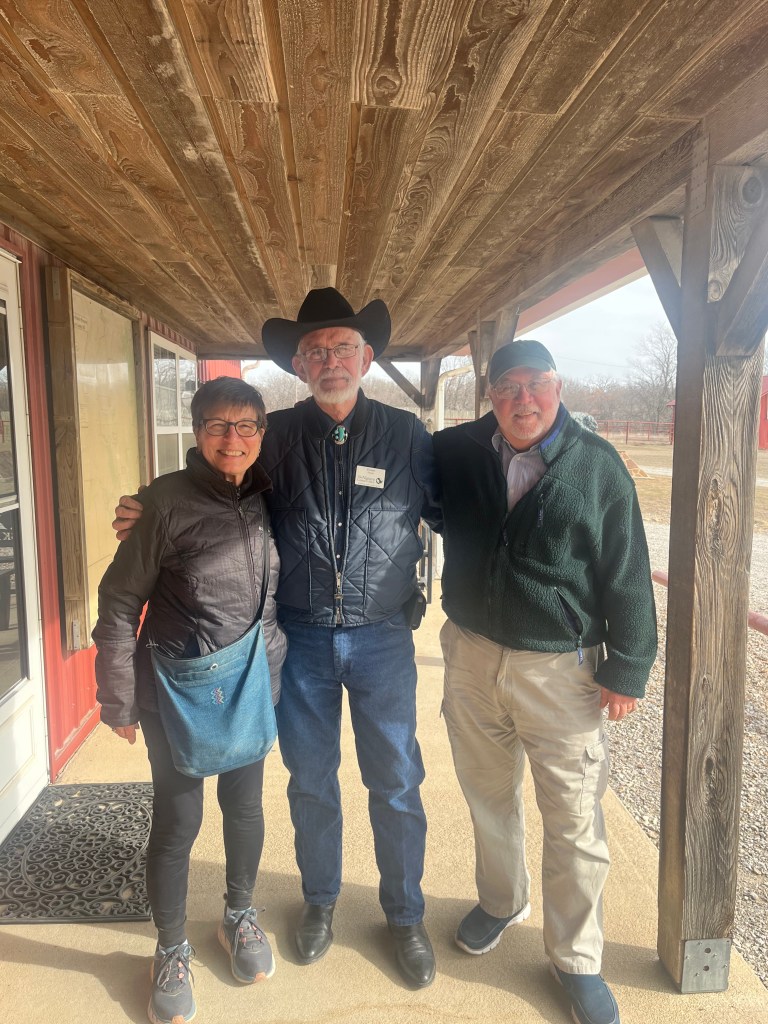
When we finally arrived at the Visitor’s Center at the end of the road, we met Elmer. He had retired from American Airlines, where he worked on maintenance and test flights. Volunteering at the crazily remote Visitor’s Center was his idea of a dream job. He drives 90 miles from Broken Arrow, OK twice a week to be there, and he stays over at the bunkhouse when the opportunity avails. Elmer is yet one more soul who we could have stayed and jawboned with for days. What a gem!

Juxtapositions

The dictionary defines “juxtaposition” as “two things being seen or placed close together with contrasting effect.” 

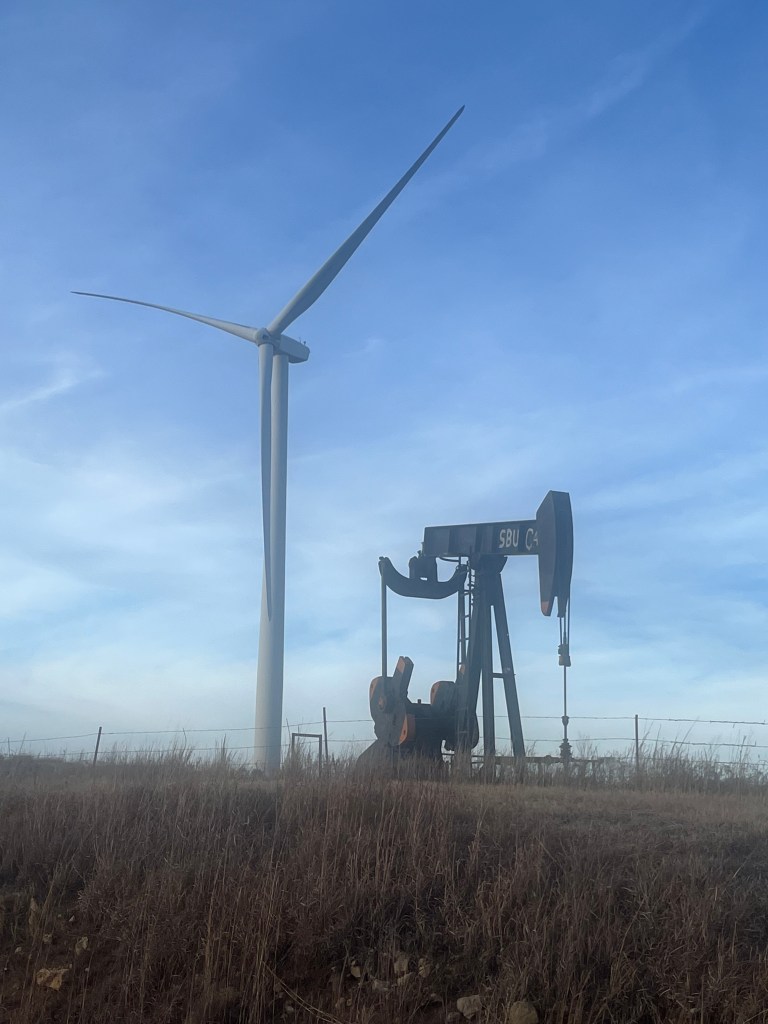
We are in Oklahoma. Cathryn (the only person I know well from Oklahoma) and I met through solar energy. Rebecca and I have driven through endless miles of oil “pump jacks.” We are in the heart of oil country!

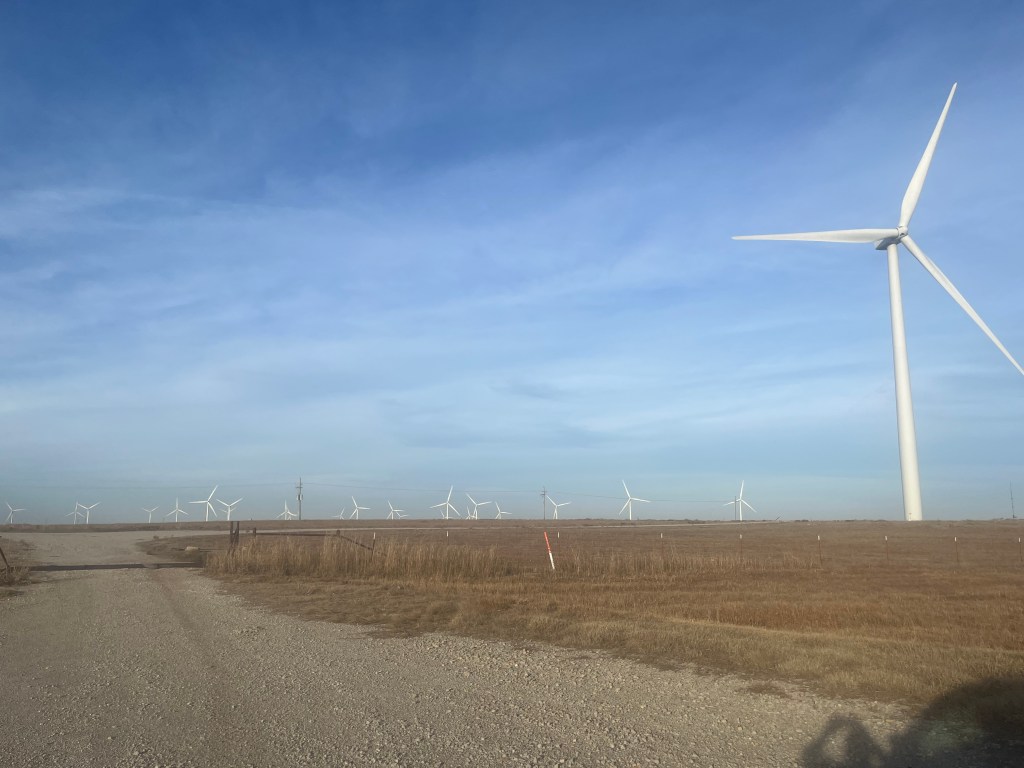
Then we came across a lone but large wind farm. Seeing a wind farm alongside a pump jack gives me hope. 

Sadly, despite the vast sunny, openness of the prairie, we have not seen a single solar field.

My “Inner Sociologist” wonders what the landowner endured to put in that wind farm!

More in the Endless Stream of Inhumanity

A theme is emerging from My Inner Sociologist: human beings, sadly, have the capacity to be grotesquely inhumane: Slavery, the Trail of Tears, Jim Crow, Separate but Equal, the Holocaust, etc., etc. As a species, we are not nice to our fellow humans. 

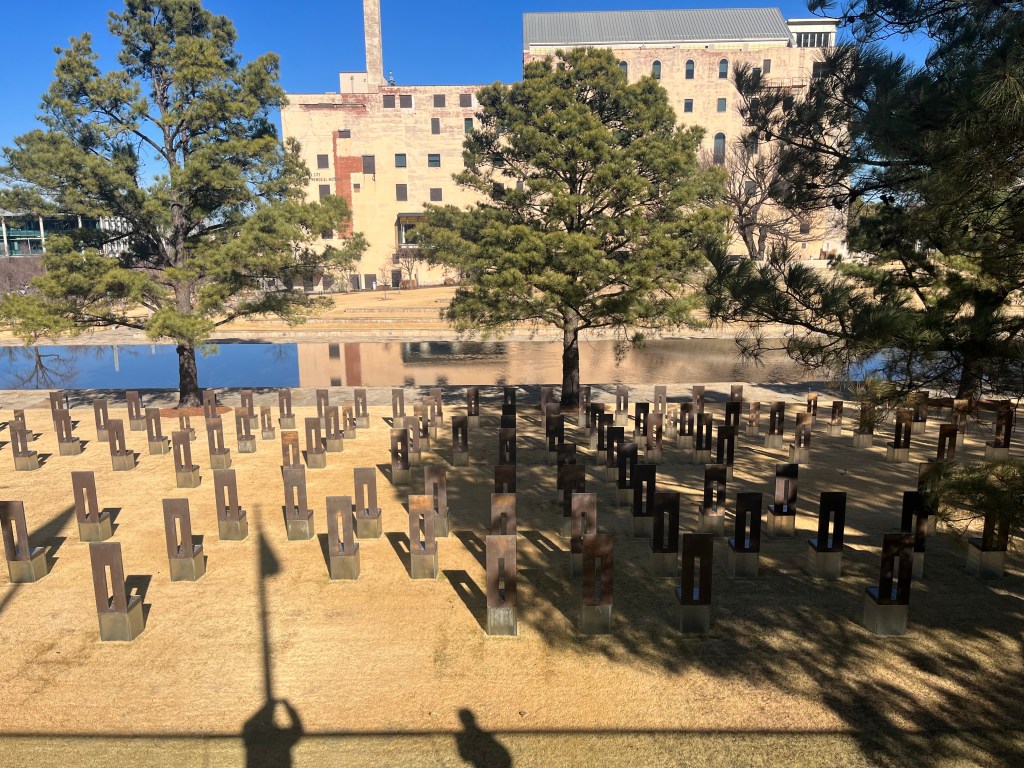
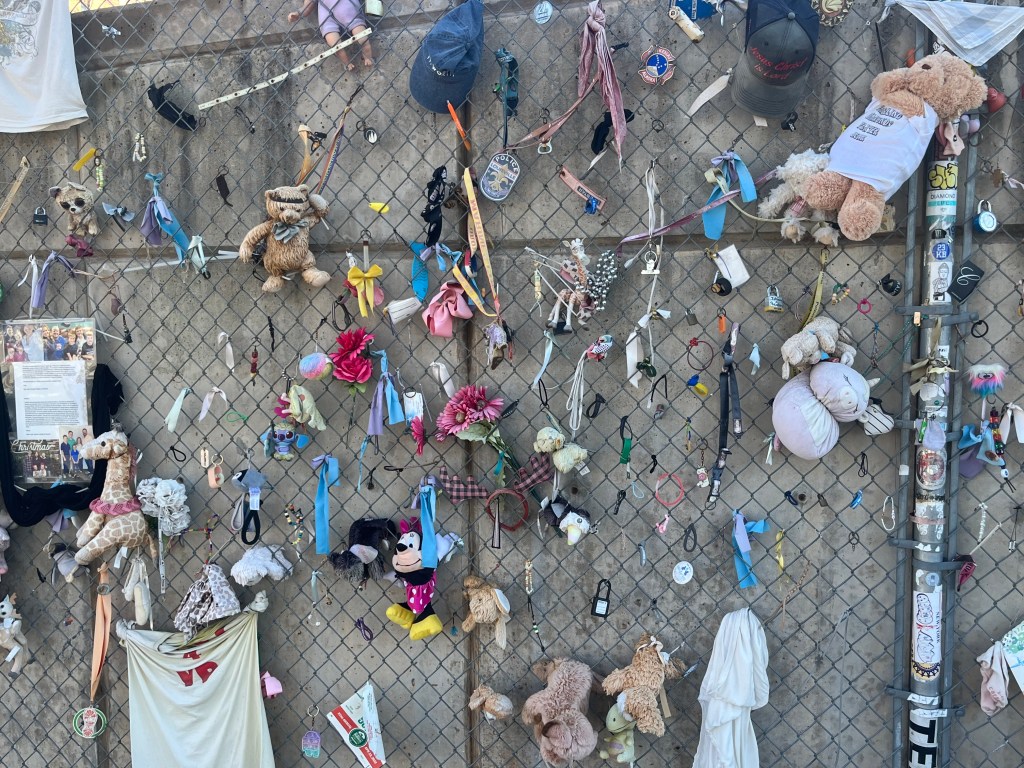
On Friday, we visited the National Memorial to the 1995 Oklahoma City Bombing, our first taste of home-bred domestic terrorism. The perpetrators blew up a truckload of ammonium nitrate fertilizer killing 168 and wounding 680, including many, many children. They were anti-government radicals. How different are they and their ideas from the January 6 perpetrators … and sadly, the most radical of the members of the Freedom Caucus? I have a hard time clearly grasping the distinctions.

A Real-Deal Surprise Museum

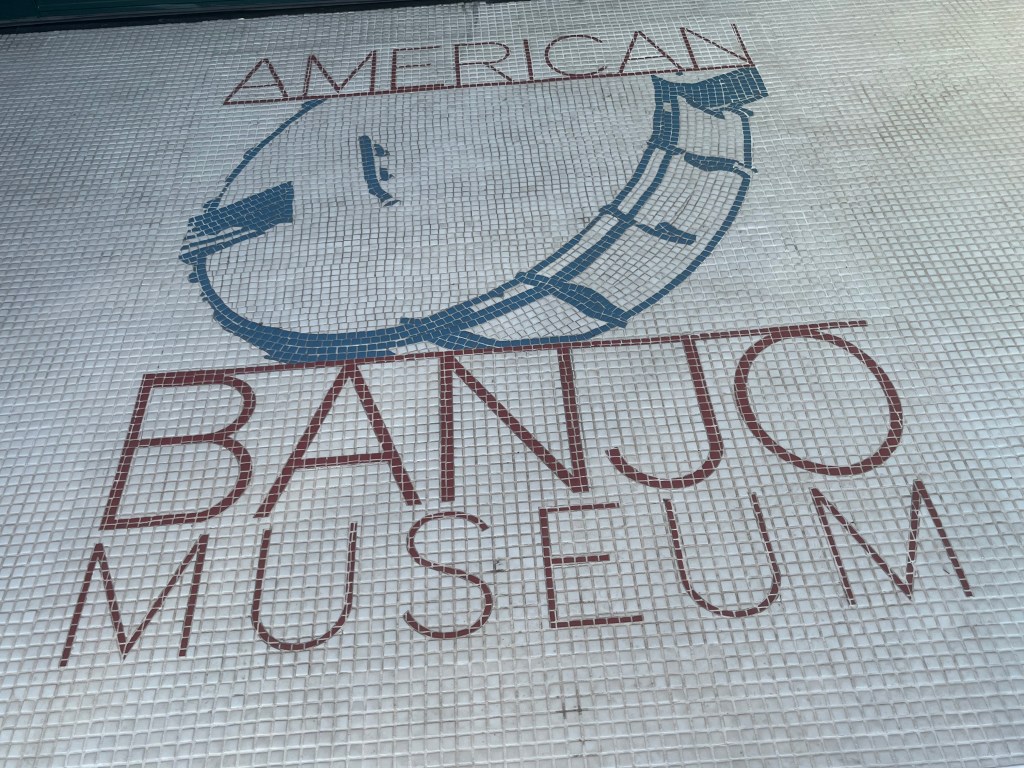
Think about it: If you were staying two blocks from the “American Banjo Museum,” wouldn’t you think it might be worth a visit? And wouldn’t you think it might be sort of hokey but vaguely potentially interesting? We did, and it wasn’t! In fact, it was amazing, and we are thrilled we went. Who’d a thunk it!

When we showed up, we entered through a room with a bunch of different kinds of banjos for visitors to play along with instructional videos. I picked up a 5-string and put on the John McEuen clawhammer video. (For those of you who don’t know, John McEuen was a founding member of the Nitty Gritty Dirt Band and one of the best banjoists and musicians EVER! Taking my first-ever banjo lesson from him totally rocked … even if I did not exactly master the technique.)

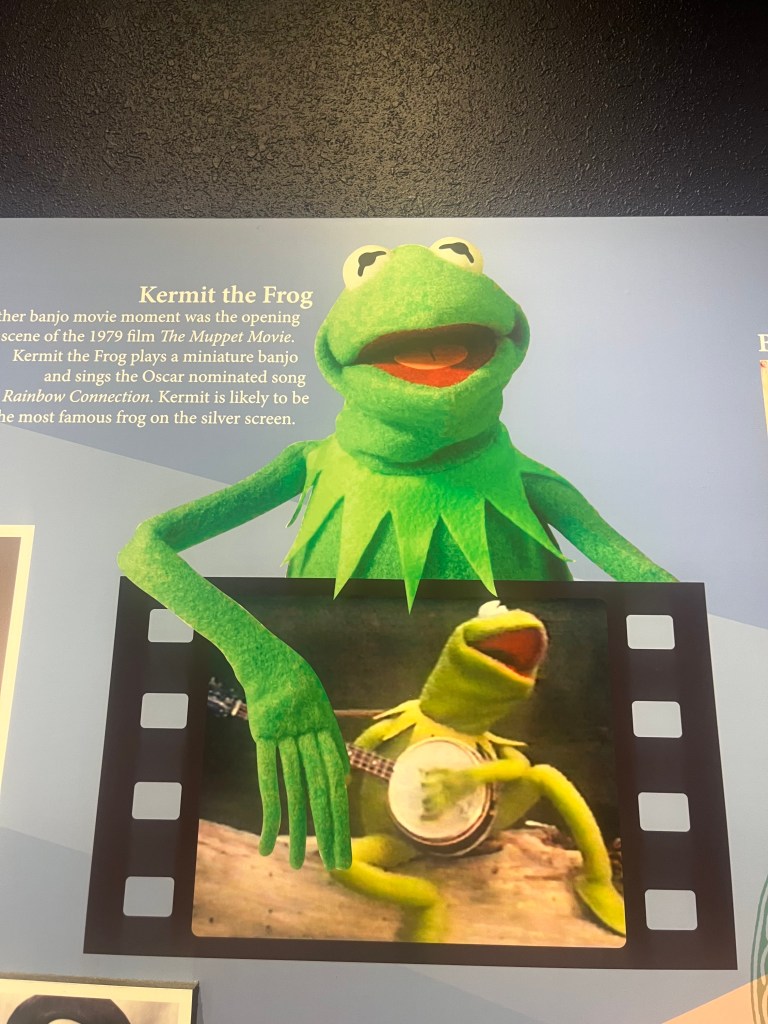
Upon leaving the front room, I commented – to no one in particular – how wonderful it was to take a banjo lesson from John McEuen. Lucas Ross, who is closely affiliated with the museum, happened to be standing right next to me. He had a banjo over his shoulder and agreed with my assessment. He was leaving for a gig, but not before informing us that he was the banjoist who played for Kermit the Frog’s animations. WOW! How do you get better than Kermit? In fact, as we head east from here, we will probably pass through Leland, Mississippi, Kermit’s birthplace. What a thrill!

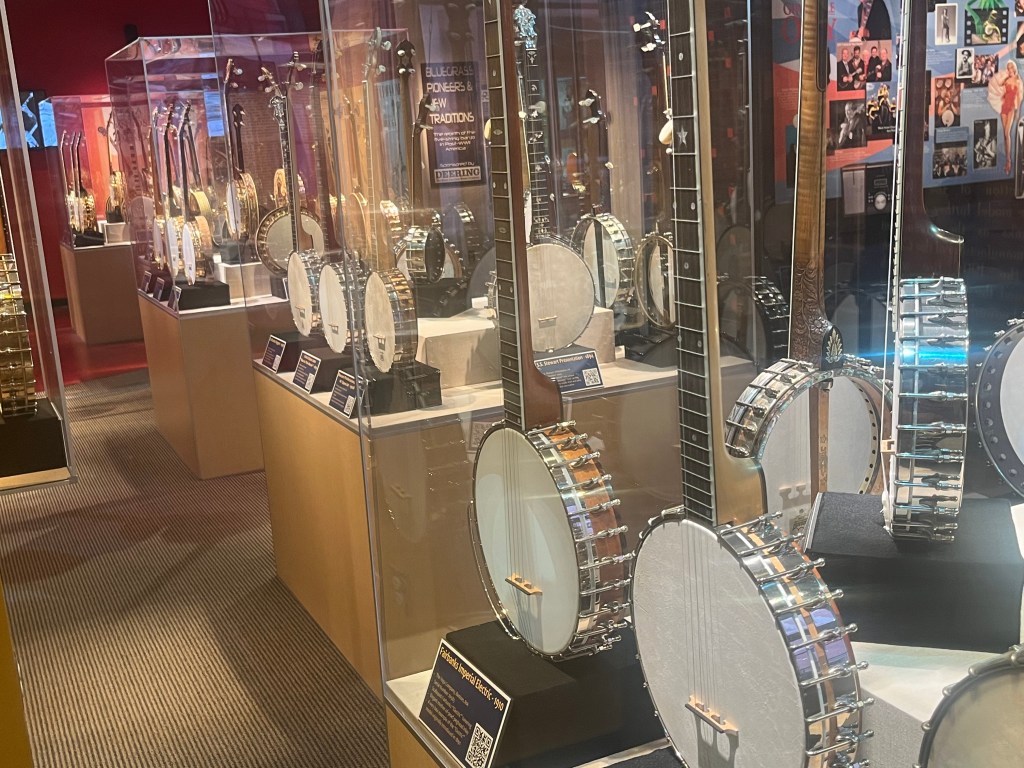
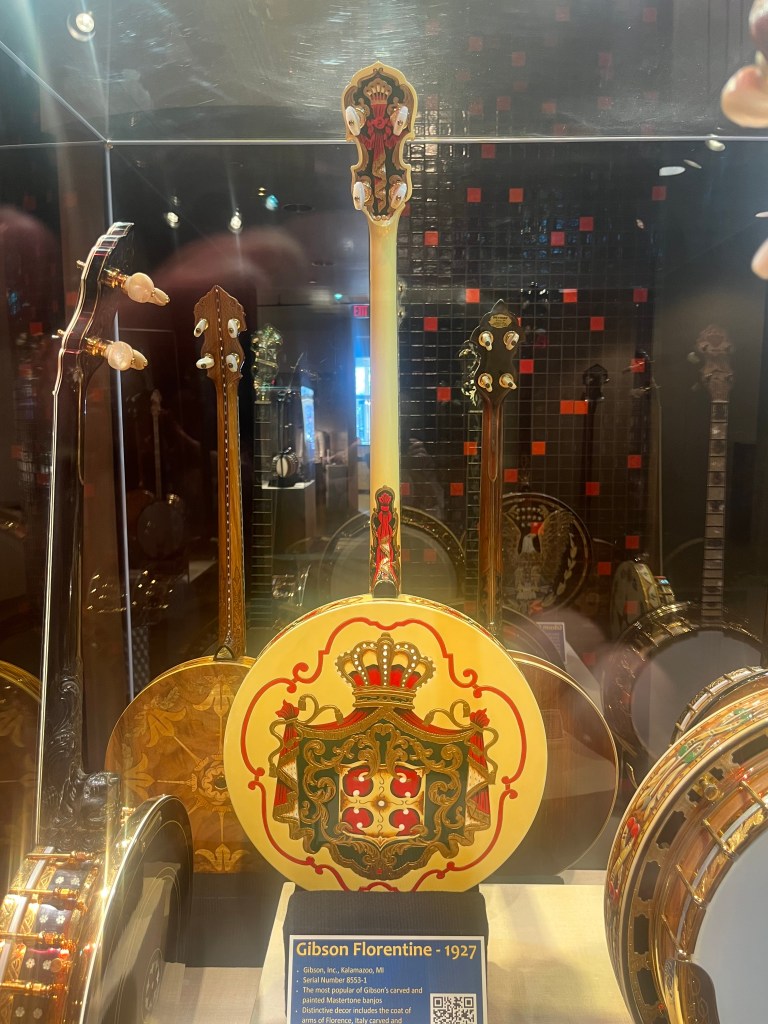
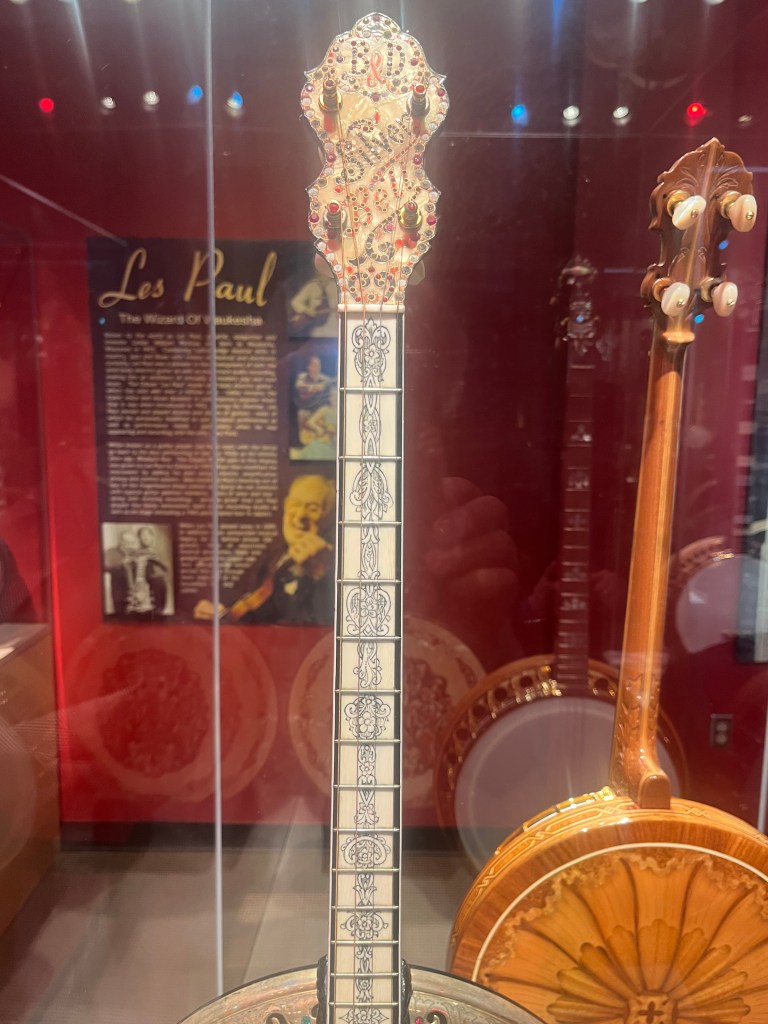
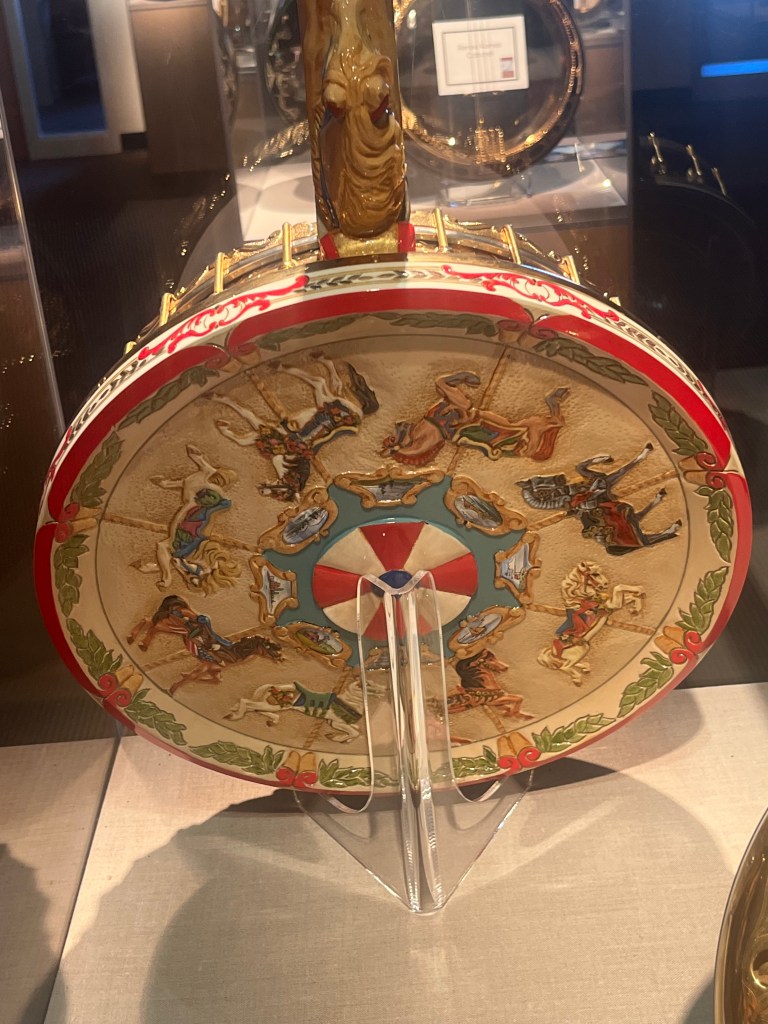
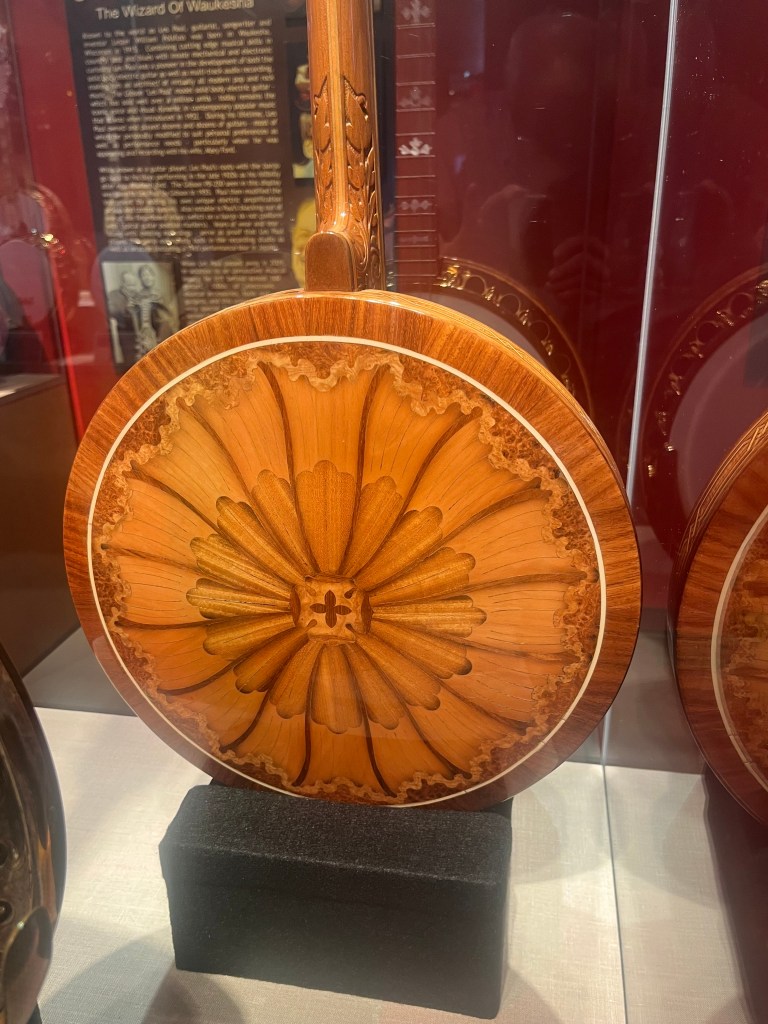
The museum itself is pretty simple: a lot of videos of banjo history and banjo players, and A LOT of unbelievably beautiful banjos. According to the ladies at the Chickasaw art gallery next door, their collection of banjos is worth more than $1.5 billion dollars. (Yes, B, not M!) I believe it. I have never seen anything remotely like it. Lucas’ favorite is the one donated by Steve Martin, which happens to be the one gifted to him by the Kennedy Center when he won a Mark Twain Award. Steve Martin inspired Lucas to take up the banjo.
I think my favorite part was the video of the national chain of clubs from the ‘60’s called “Your Father’s Mustache” that were music clubs featuring Dixieland-ish banjo music. My father and grandfather loved them; my folks and I went to the Your Father’s Mustache club on Bourbon Street in the ‘60’s when I was an undergrad at Tulane; my grandfather used to bring their paper mustaches to us as children from their clubs in St. Louis and Chicago.

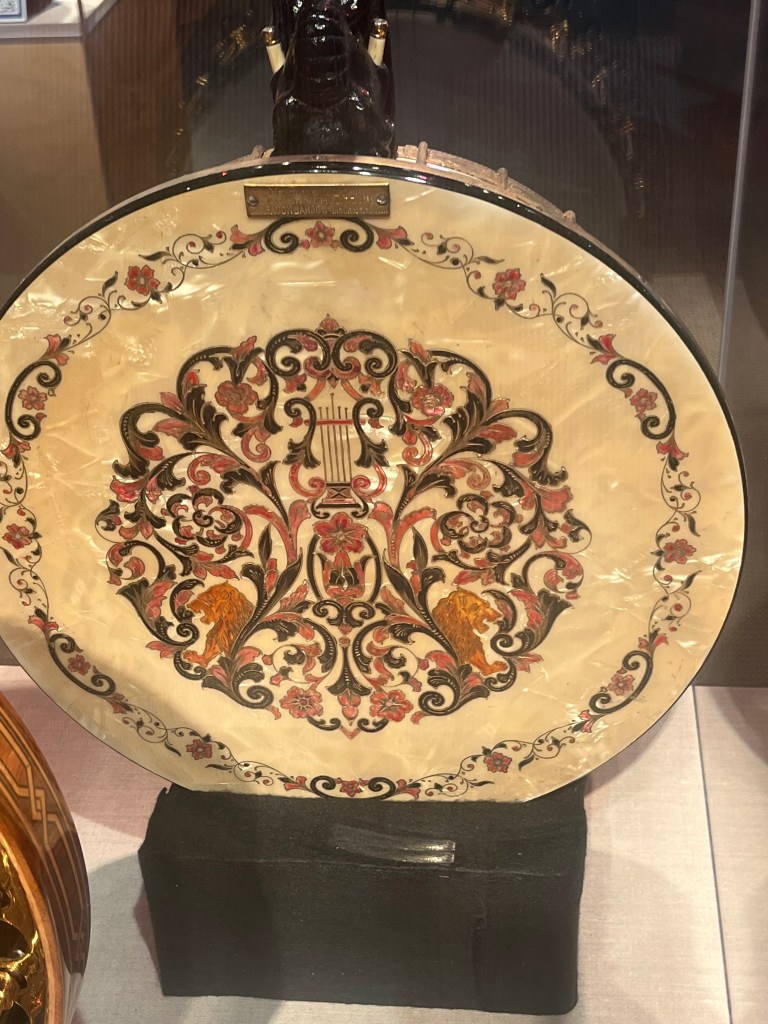
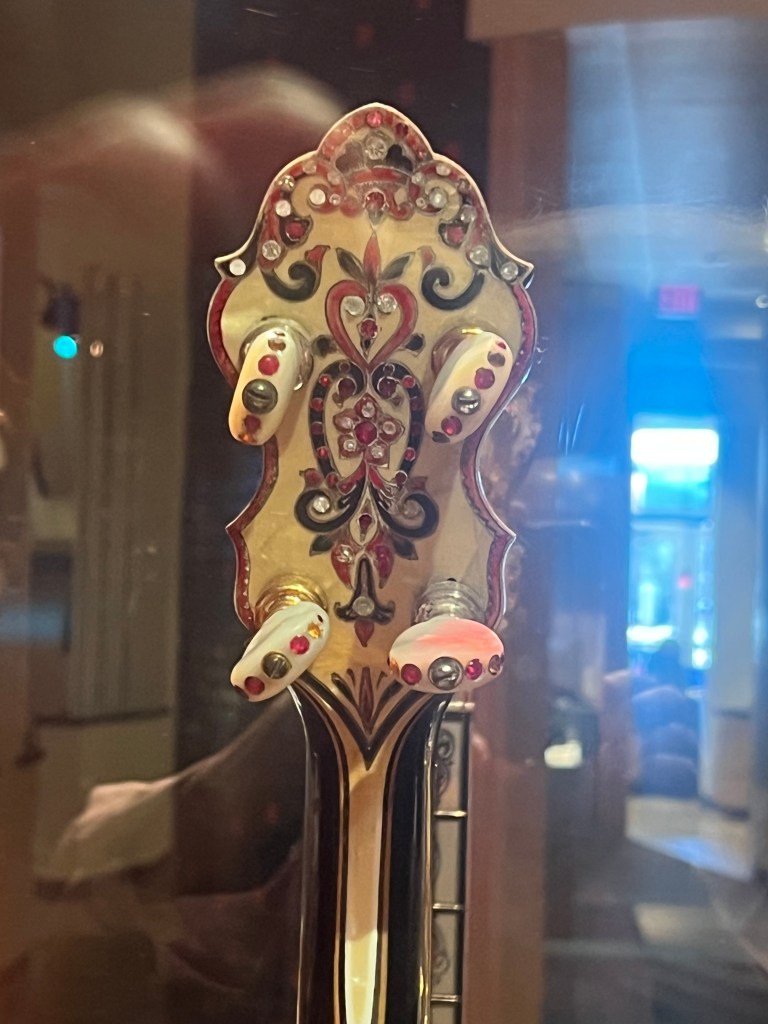
The memorable part of the museum was the banjos themselves. I have no clue how they built such a collection: hundreds of banjos, one more beautiful and historic than the next. 

Next time you happen to be in Oklahoma City, don’t miss it! There is nothing hokey about it.

Oh Yeah, We Got Us Some BBQ and Other Eats Too…..

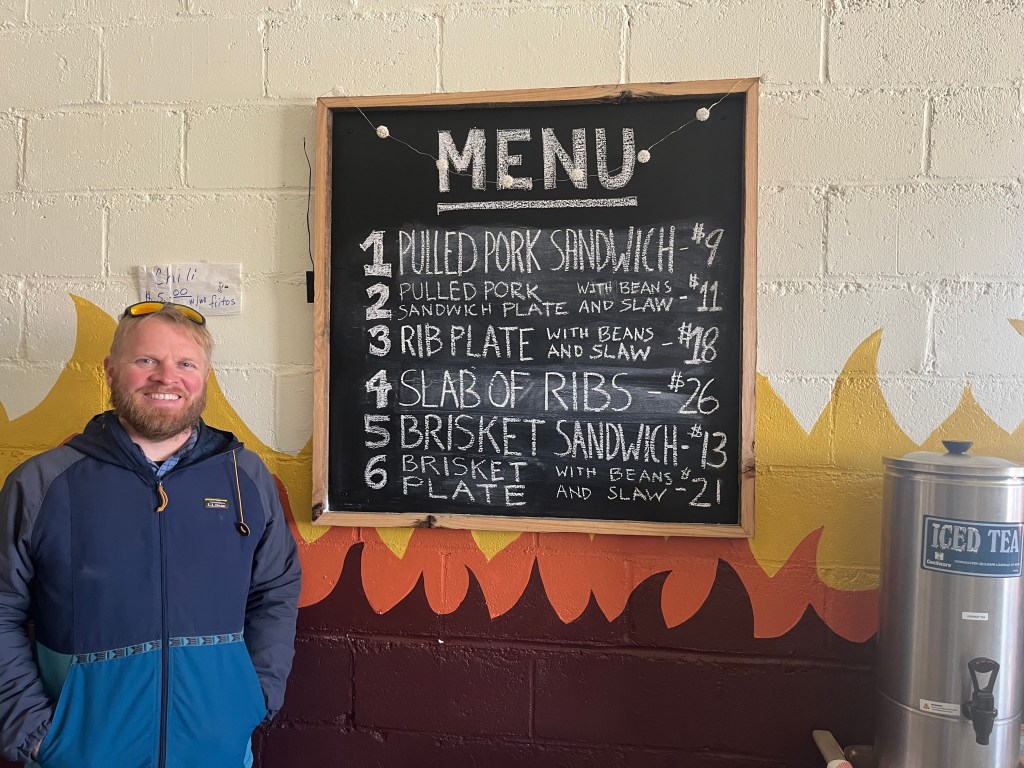
The Barbecue was good. The name was hard to beat: “Let’s Eat Us Some Dink’s!”

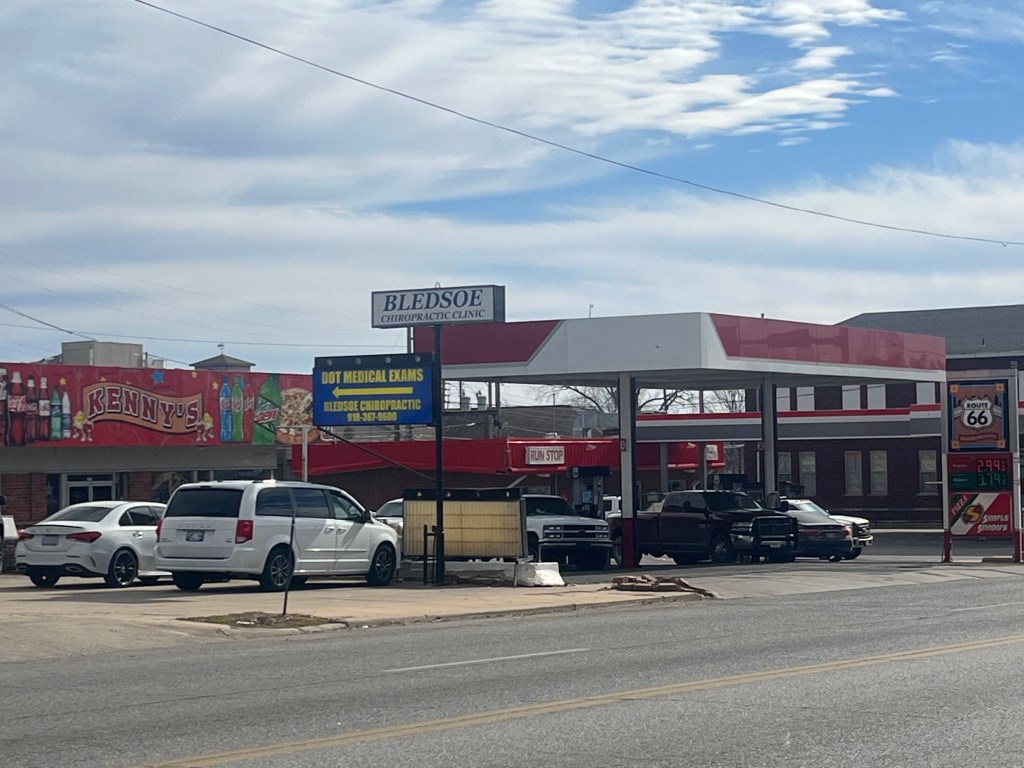
We didn’t stop here, but how can you ignore Kenny’s on Route 66?


I’m really, really sorry for this one, and fortunately, it is a burger chain rather than a BBQ joint, but could there be a worse name for a fast-food restaurant? Do you think their tag line might be, “Swallow it down; it’ll come right back up.”

One last public service announcement…

If anyone lost a lower bridge, it’s in the pull-over at the eastern entrance to Osage Nation in Bartlesville. We left it for you…

Finding “There” in Tulsa


Darn. I’ve done it again! I called this blog entry “Finding ‘There.’” I know we are in Tulsa, but I am still not sure what or where “there” is. 

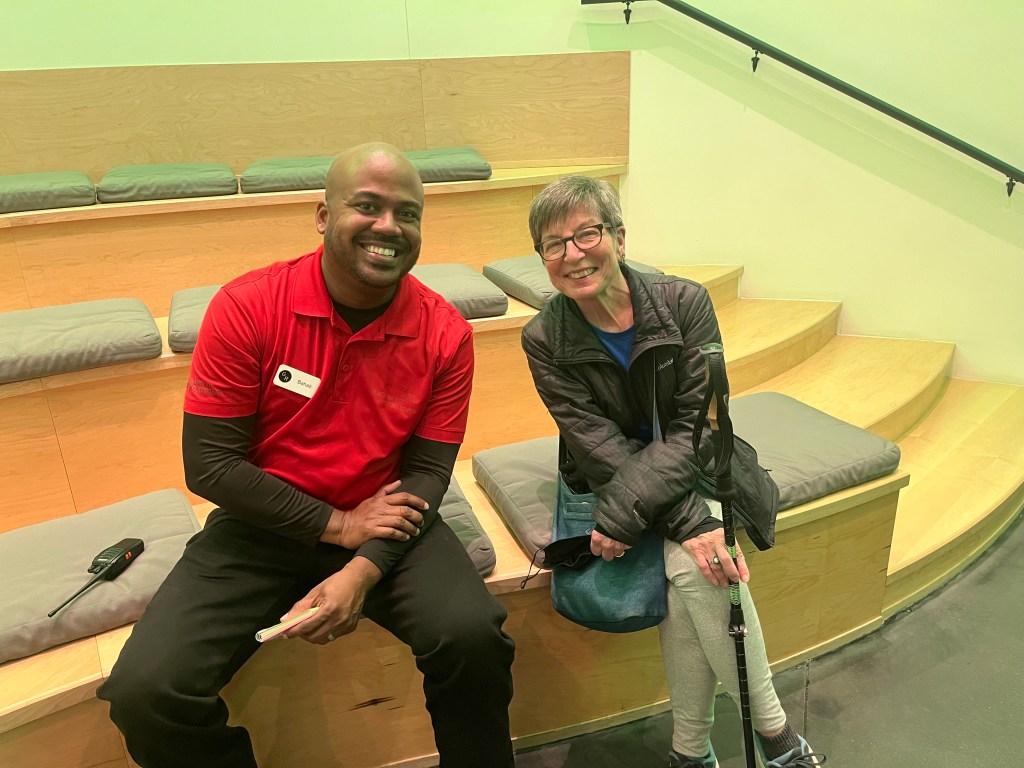
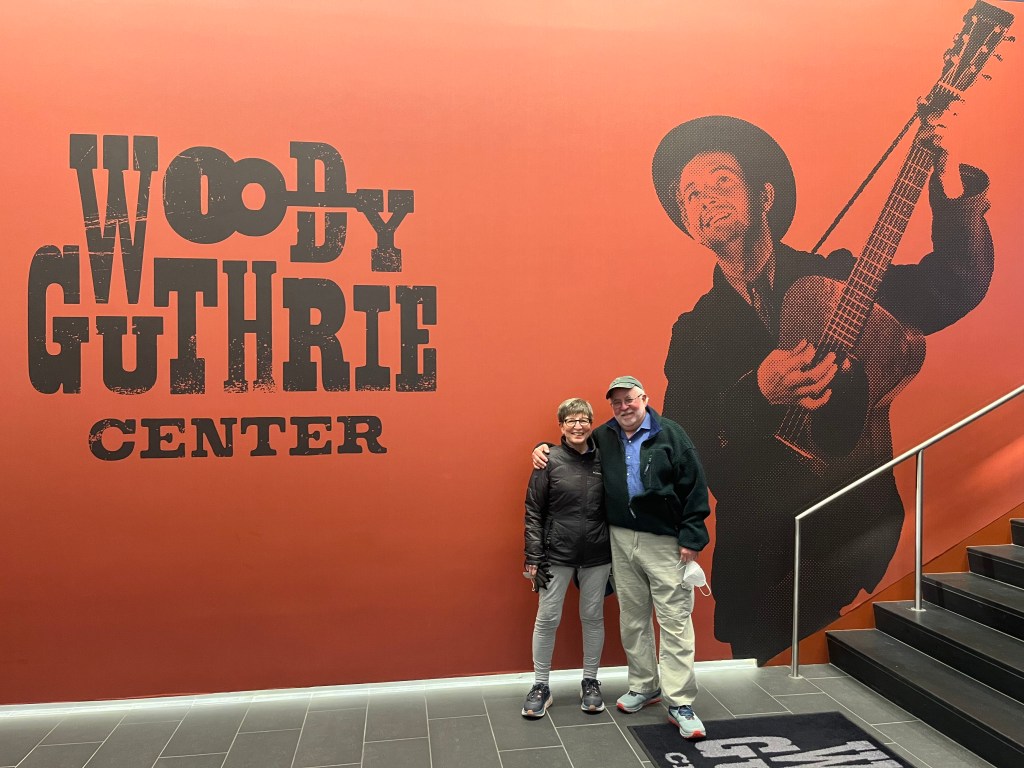
Here is some stuff I do know: We have spent the last few days in Tulsa with Bob Dylan (The Dylan Center*); Woody Guthrie (The Guthrie Center*); Bahati Brown, the awesome interpretive guide at the Greenwood Rising Black Wall Street History Center; and Amy and Chris Cojeen (along with Amy’s sister, Sarah) at the Muscogee Nation’s River Spirit Casino Hotel). We had a gorgeous drive here along the Oklahoma Illinois River, which brought us through Tahlequah, Oklahoma and the Cherokee National History Museum. WHEW!

  • Yep. The obvious question is what in the world is the Bob Dylan Center doing in Tulsa, Oklahoma. Bobby Zimmerman was born in Duluth, Minnesota and raised in Hibbing. He started becoming Bob Dylan in 1959 and took on that persona for real in 1962 in New York City. After visiting Tulsa, he liked the Guthrie Center (which is indeed Woody Guthrie’s home), so he decided to house his archives in Tulsa under the same roof. It is SO FREAKIN’ Dylan!

Four Days in Tulsa

Our Tulsa planning was pretty good: Greenwood and the Tulsa Massacre, Woody Guthrie, and some sight-seeing. (The presence of the Bob Dylan Center surprised us.) The planning for our lodging proved to be a real waste of time thanks to our good friends Fred and Cindy Clark and their good friends Chris and Amy Cojeen from Norman. (In case you are interested, Fred and Cindy are Tanner’s parents. Tanner was an undergraduate roommate of Allie’s and became one of our adopted kiddos. Tanner now works as a Native American lawyer based in Anchorage. Fred directed the Office of Tribal Relations for the US Forest Service before he retired. Chris is an Oklahoma-based archeologist, so he and Fred became good friends.) Chris also has a bit of an affinity for Oklahoma’s Indian casinos. Thanks to the casino’s generosity toward Chris’s affection for gaming, we have been unbelievably comfortable in our cozy 20th-floor 1,600-square-foot, 2-bathroom, 3-TV suite. It sure beats the Super 8! Amy’s sister Sarah was hanging with them too, so the five of us thoroughly enjoyed Tulsa together.

The Bob Dylan Center

There is something discombobulating about celebrating the work of Bob Dylan in Tulsa. Tulsa is a lot of things, but it ain’t Minnesota and it ain’t New York. Discombobulation notwithstanding, the Center is terrific. It is in the same old one-block-long warehouse building near the Greenwood neighborhood as the Guthrie Center.

Rebecca and I have arrived at a weird age. Museums are places that memorialize the past. A Bob Dylan Museum does not: it memorializes our lifetimes. It’s bizarre how much of our lives are now appearing in museums. I guess we are old. Good for us.

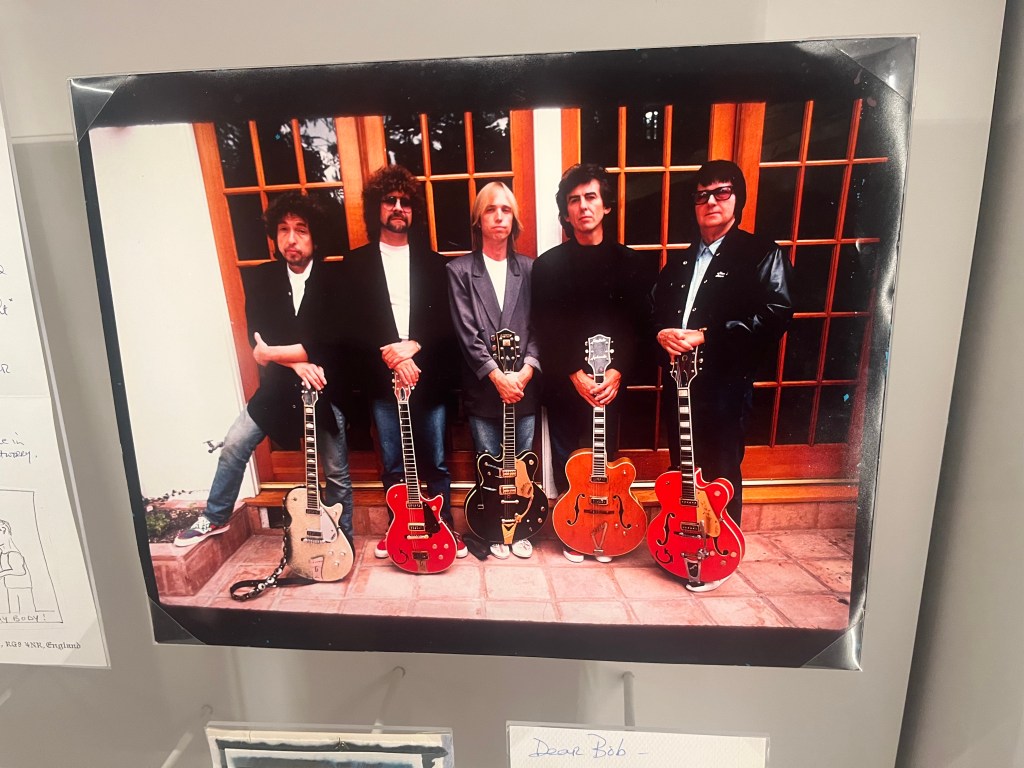
There were great moments at the Center. Seeing Dylan’s guitar. Reading about his friendships. Seeing him perform at the Monterey Jazz Festival. Reading personal notes from George Harrison and re-visiting the brief life of the Traveling Wilburys.

Maybe it is because we lived the history of Dylan’s life along with him, or maybe something else, but after a couple of hours, we were ready for Woody Guthrie.

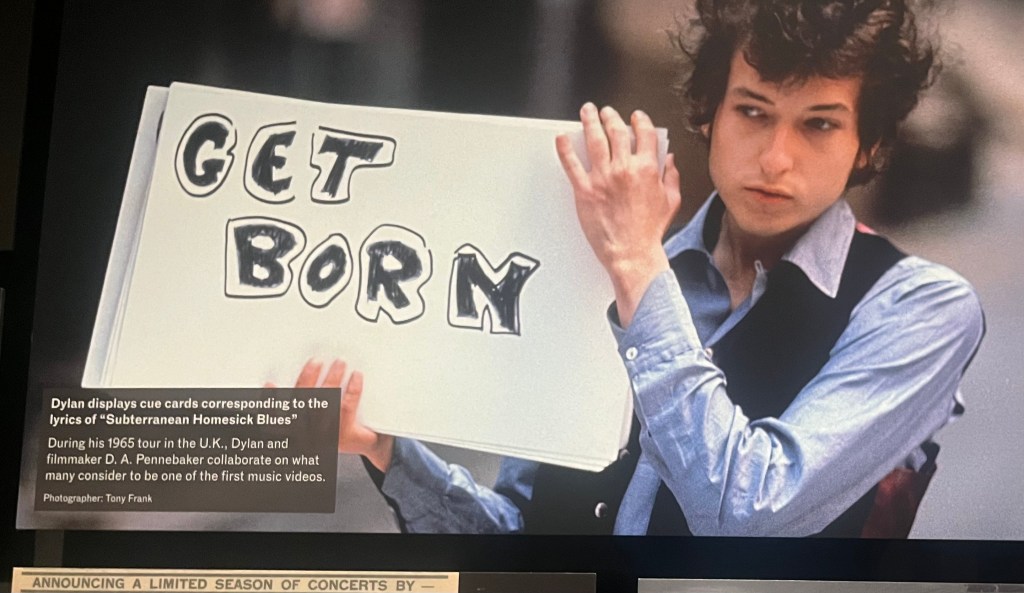
Dylan made what may have been the first-ever music video with his song “Subterranean Homesick Blues.” The photo is from the museum. The link is to a YouTube video of it.
https://www.youtube.com/watch?v=MGxjIBEZvx0


Spending the afternoon with Woody


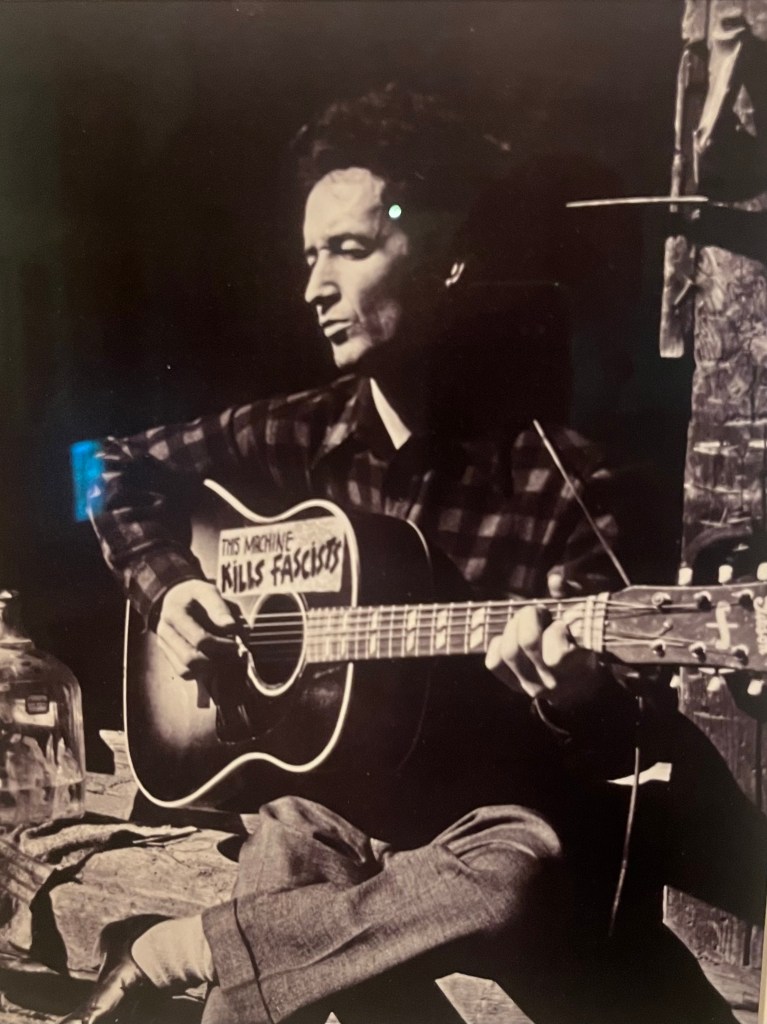
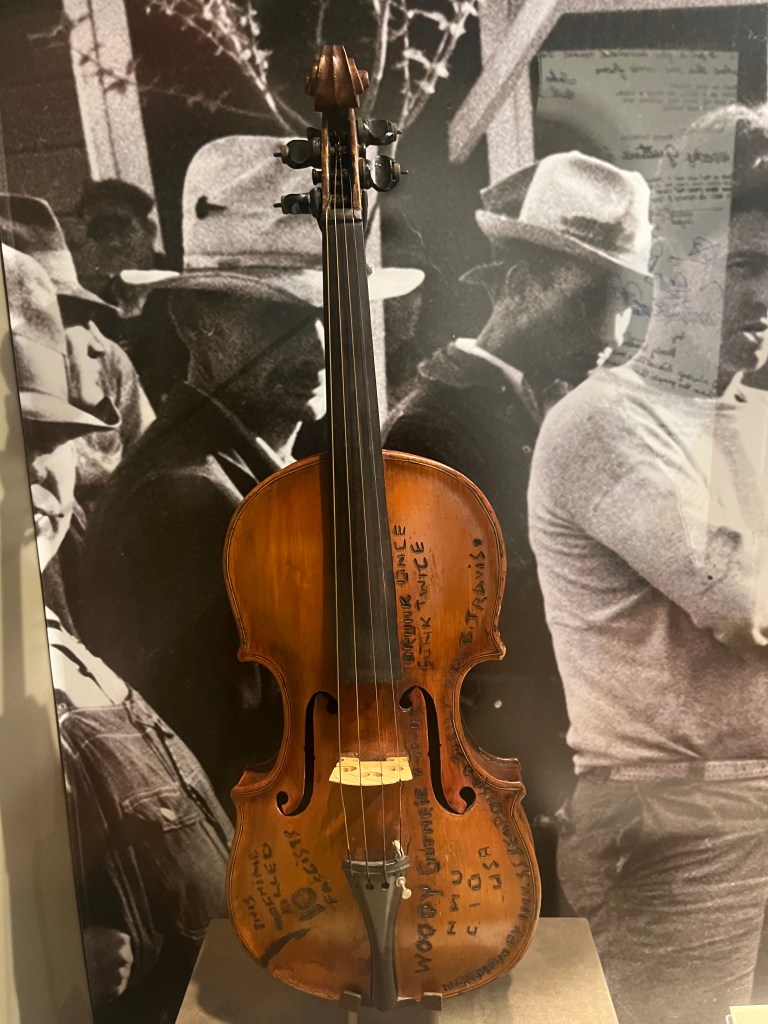
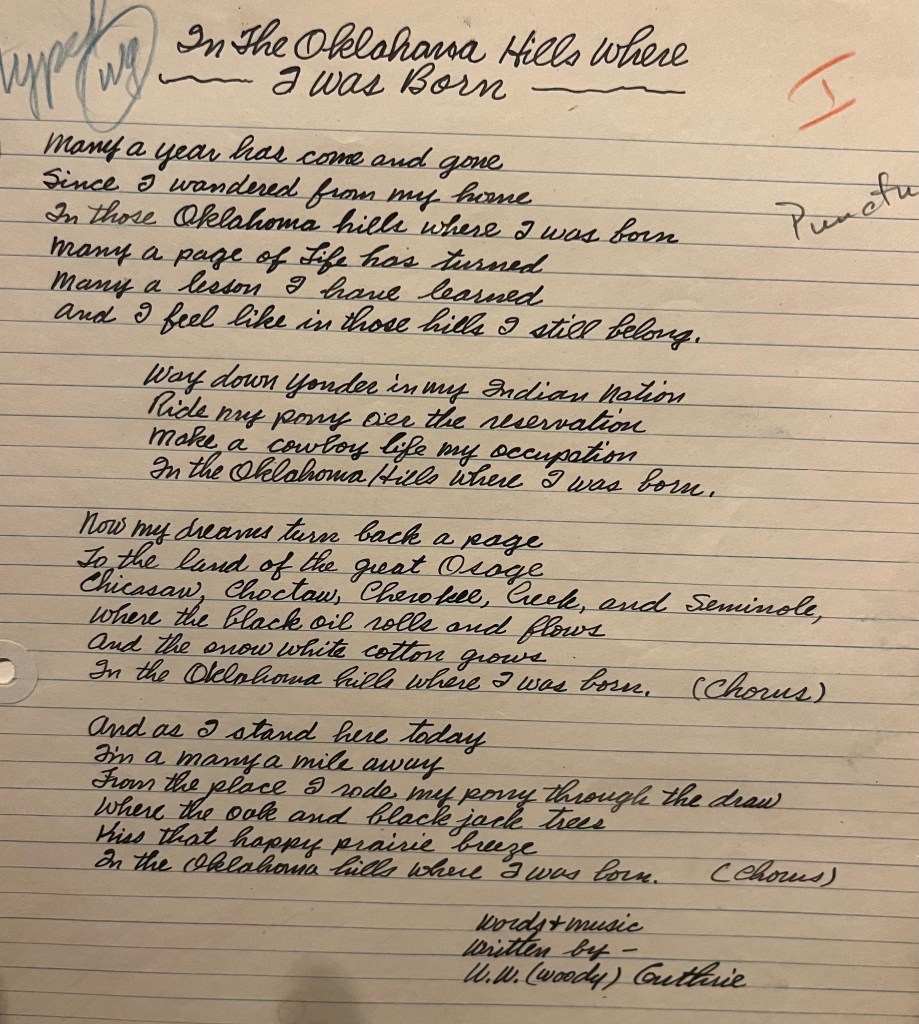
Communing with Woody for the afternoon gave me the chills. He is the music I love. He is the America I love. He is the optimism and love for his fellow humans that I love. Woody’s music resonates with me in every way. Seeing his instruments and the handwritten originals of his lyrics humbled me. Were I Bob Dylan, I would have wanted my archives handled in the same way that the curators of Woody’s center displayed his life and his work. It was a fantastic experience!


Preparing for the Tulsa Massacre of 1921

It’s amazing how much I never learned in school. I never heard of the Tulsa Massacre. I never learned about lynchings. What little I learned about the Trail of Tears, I expect I learned from my own reading and from visiting the Eastern Band of Cherokee in North Carolina when I was a child. I knew virtually nothing about horrors our country has visited upon others.

Interestingly, the first museum we visited on this trip was the Air Force Museum in Dayton. The tour of that museum starts with Auschwitz, a journey through the Nazi death camps, and a celebration of the troops who liberated those camps, enabling them to record the history for posterity.

I can relate to the death camps of WWII. My father served in the war. My stepfather fought in the war and lost his entire family to the death camps. I am personally close to the horrors human beings can bestow upon other human beings.

I was not prepared for the stark similarities between the Nazi death camps and the horrors to which we Americans have subjected our own fellow citizens. We had the first inkling of the emotionality at the Mosaic Templar Cultural Center in Little Rock. Sadly, I knew too much about some of the racist horrors in Little Rock. I had studied Jim Crow in college. At Mosaics Templar, I learned about the legalization of segregation in Arkansas through the Tillman Bill of 1891 that called for “the forcible separation of the races into different cars while traveling on the railroads of Arkansas.” Segregation was not a social practice; it was the law. Plessy vs Ferguson in 1896 tried to temper the horror through the bogus concept of “separate but equal.” Not until the courts’ ruling in Brown vs the Topeka Board of Education in 1954 did the systems of America start to make moves toward working for all people. (FYI, the concept of “making America great again” turns my stomach. Was that American greatness?)

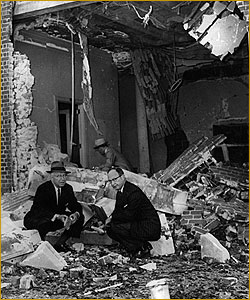
The hatefulness of people came very close to home in October 1958 in Atlanta when anti-Semitic racists bombed The Temple – the Hebrew Benevolent Congregation – on a morning when my brothers and I were planning to attend religious school. It is a surreal juxtaposition when I see the images of Little Rock and Tulsa … and Birmingham and Charleston and Buffalo and Pittsburg, etc., etc., etc., etc. … to think that those same lunatics were gunning for me too.

The rubble of The Temple after the bombing in 1958 with Rabbi Jacob Rothschild and Mayor William Hartsfield.

By the time Little Rock’s Central High School was integrated in 1957, I was in fourth grade in Atlanta. I remember Governor Orval Faubus calling out the Arkansas National Guard to prevent students from entering the school. I remember Eisenhower calling out the 101st Airborne Division and activating the Arkansas National Guard to escort the Little Rock students into the school and uphold Brown vs. Board of Education.

Then I vividly remember the next move in that chess game. Instead of breaking federal law, the good people of Little Rock closed Central High for a full year, depriving its young people, both black and white, of any education whatsoever. Private schools sprouted like weeds so those children of families with resources could continue their education. Those without resources got slapped down even harder.

The Federal Government ordered integration. The people of Little Rock equated that to ordering the school closed.

Closing the public schools terrified my parents. We prepared for the worst. My brothers and I tested and interviewed at a private school. Had the Atlanta schools closed to prevent integration, we had the private school in the wings. Fortunately, the Atlanta schools did not close, and I will always remember the first day of school in 1962 when Grady High school became the first public school in Georgia to integrate. Despite a parking lot filled with police and news cameras, we did so peacefully. That memory represents yet another moment of “privilege.” My family had the presence of mind and the resources to prepare for a private-school education. Fortunately, we never had to exercise it, and I have been a committed defender of high-quality public education since.

I remember visiting downtown Atlanta during a Klan convention and encountering any number of white-robed Klansmen. I remember Klan cross burnings at Atlanta’s Stone Mountain. My good friends Bill Travis and Harry Kuniansky and I used to visit Lester Maddox’s Pickrick Restaurant on Saturday afternoons to collect and read the hate literature he distributed there. I vividly remember the embarrassing term of Lester Maddox as Governor of Georgia because I spent the summer of 1970 – my first summer after graduating college – as a Gray Line tour guide. One of the stops on my tour was the Georgia Governor’s mansion. Lester knew me by name. Always the restaurateur, he would greet me with me with a “Howdy Kenny. Howdy Folks. Welcome to Georgia. We are mighty proud to have you here.”

I remember all of those things, but principally as abstractions. Other than receiving a phone call early one morning that the Temple had been bombed and we should not attend religious school that day and being part of the first public school integration in Atlanta, I was a naïve child. Racism and hate did not really touch me. It is through these experiences on trips like this one, way more than half a century later, that the emotion of these moments makes its way into my soul.

The Tulsa Massacre of 1921 and the Greenwood Rising Black Wall Street History Center

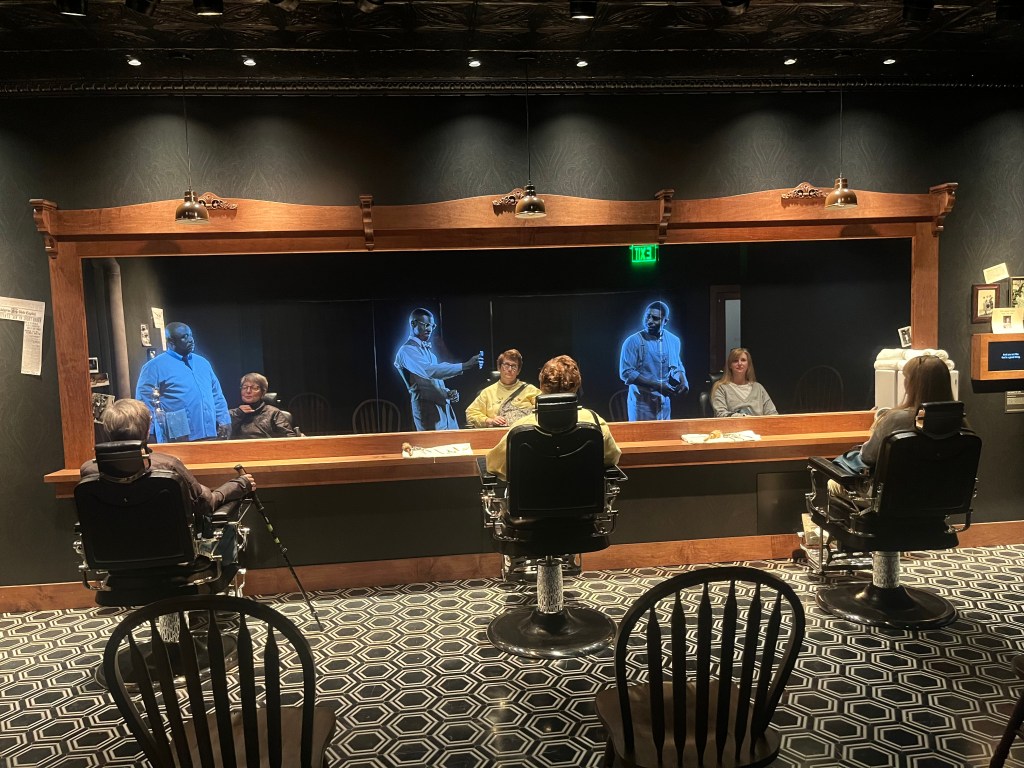
The tour of the Center began with a remarkable interactive exhibit: a conversation among three barbers in a Greenwood barbershop discussing politics and society. In the photo, Rebecca, Sarah and Amy get haircuts during the discussion (and Rebecca got a helluva trim). It was brilliant technology!
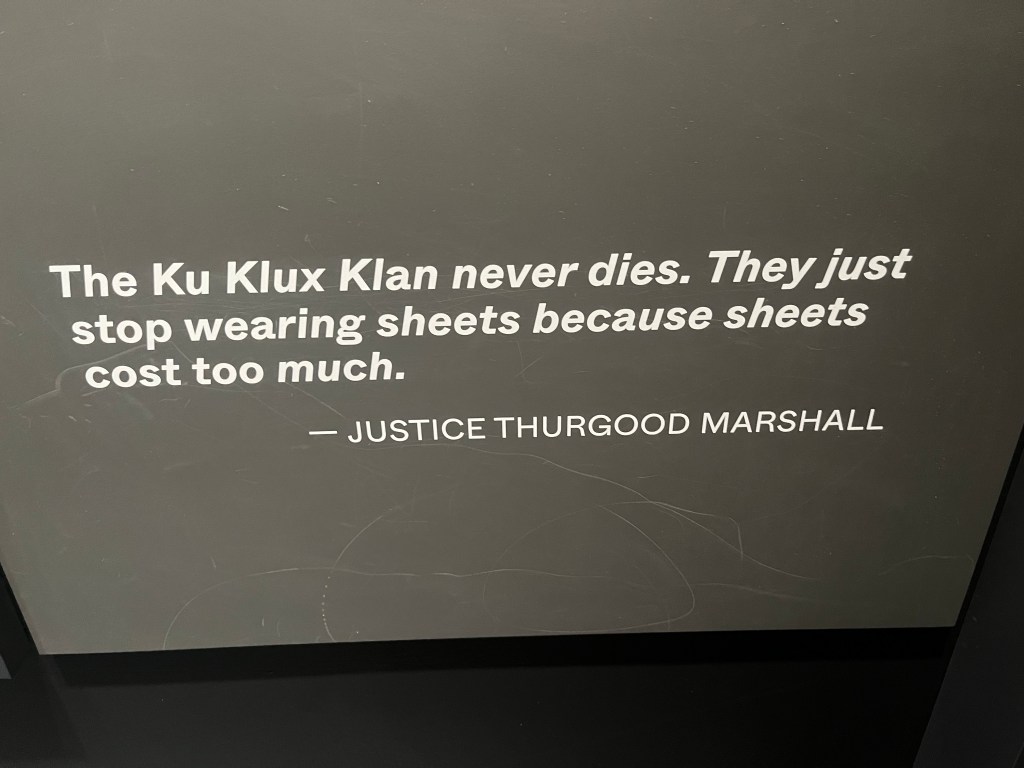
Trumpists are not going away. They are just waiting until the time is right again.


Up until 1901, Tulsa had been a modest western town. In 1901, almost overnight, Tulsa became the “Oil Capital of the World.” As oil flowed, so did money, and Tulsans got rich … both White Tulsans and Black Tulsans. The Greenwood neighborhood of Tulsa because known as Black Wall Street. Businesses thrived, including Black-owned banks. Black Tulsans had a seat at the table … for a fleeting instant. Much like the horrors of Kristallnacht 17 years later, everything changed overnight on May 30, 1921. 

On that day, a 19-year-old Black man named Dick Rowland got onto an elevator with a 17-year White girl named Sarah Page. Something startled the young woman, so she screamed. She first said that the young man had assaulted her, but then later changed her story. One day later, on the afternoon of May 31, the Tulsa Tribune ran a story headlined “Nab Negro for Attacking Girl in Elevator.” By 9:00 that night, 400 White men had formed a mob to lynch Dick Rowland. In Greenwood, 100 Black men came together to defend Rowland from the lynching. By that time, the White mob had grown to over 1,000. By 1:00 A.M., fires had been set throughout the Greenwood neighborhood. The mob prevented fire crews from fighting the fires. By 11:00 A.M. on June 1, the governor declared martial law and the Greenwood neighborhood was rubble.


That such a horror could take place is dreadful enough. That virtually none of us learned about it until only a few years ago amplifies the horror. Not even Tulsans learned about it, much less Atlantans, New Yorkers, or Los Angelinos!

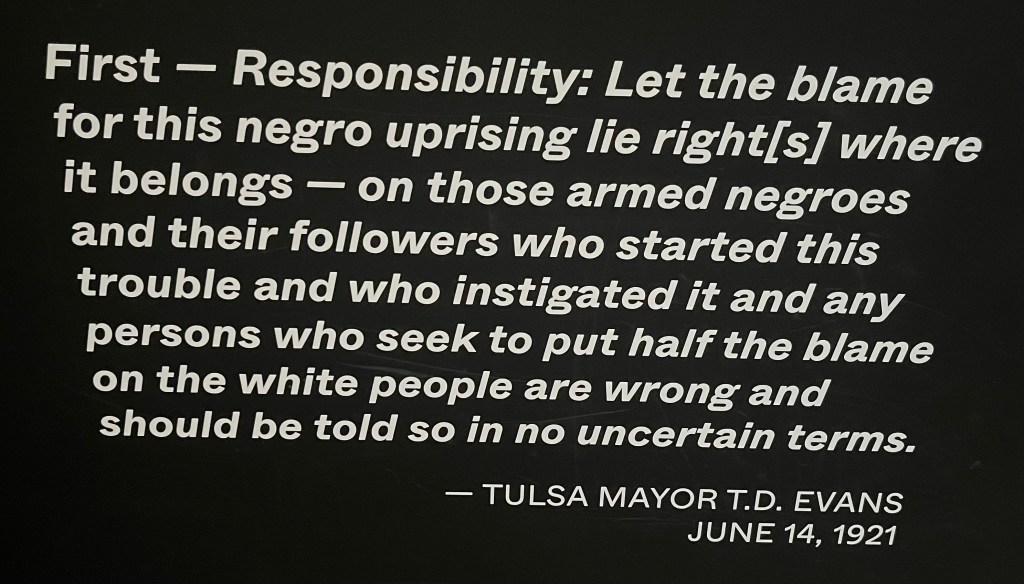
The Mayor’s response: Blame the victim

George Santayana wrote “Those who cannot remember the past are doomed to repeat it.” The ubiquitous WWII holocaust phrase is “Never Again.” Regardless, we will never actualize our full humanity until we recognize and reject the ability of humans to exercise unthinkable brutality upon other humans. Any effort of the MAGA right wing to suppress education, no matter how uncomfortable, is an unthinkable disgrace, and none of us can allow it to happen!


PS Gotta get the ‘Cue in..


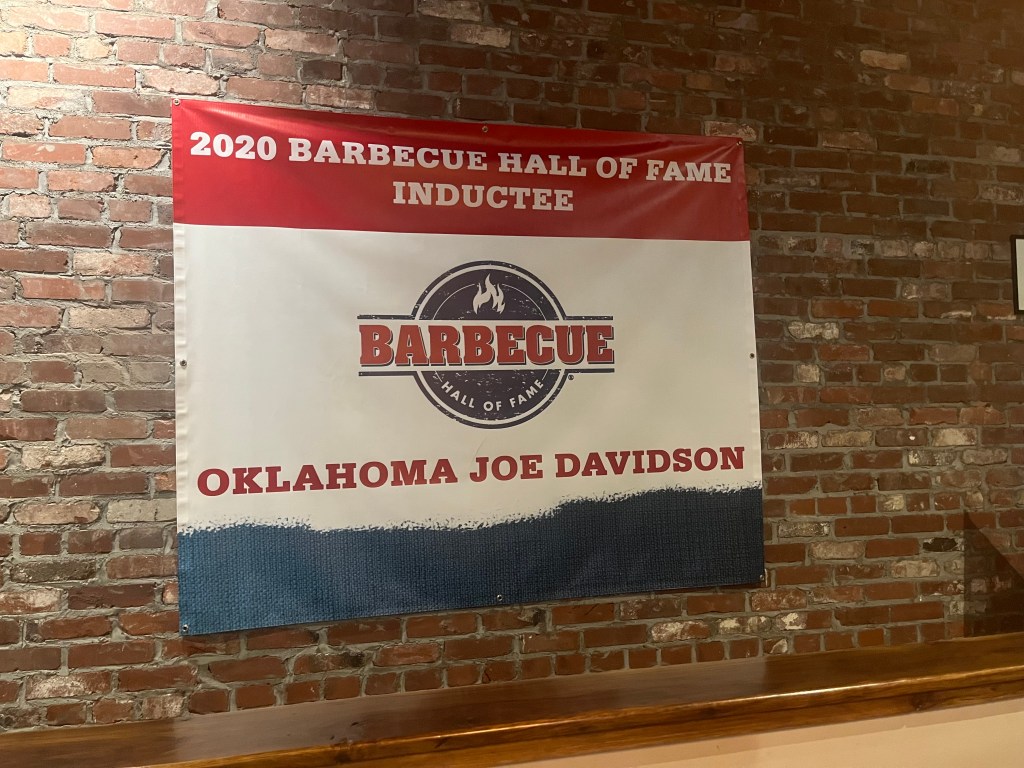
Barbecue at Oklahoma Joe’s. Damn good, especially the brisket. If it seems like overkill, it is, but splitting one BBQ plate per day or less, is manageable. Oklahoma Joe’s has banners, much like the Boston Garden: Poultry and Barbecue Sauce Champions in Memphis; Best Sauce on the Planet Champions in Kansas City; Pork Champions, Brisket Champions, and Grand Champions in Lynchburg. Like I said, damn good!

Northwest Arkansas: It’s Fun … and Once Is Enough!

The Ozarks are rugged and beautiful.


The Ozark Mountains are surprisingly gorgeous. We are having a really good time, just traveling and hanging out. We are engaging extraordinarily nice people … some of whom, it seems, might talk for days if we did not find a way to staunch the flow. Despite our lust for adventure, we could not bring ourselves to visit Branson, Missouri; it just seems like one of the most intensely unpleasant places on the continent.

Northwest Arkansas reminds me of Pigeon Forge, Tennessee if Pigeon Forge were coupled with a cool college town. Pigeon Forge sits in mountainous country just north of the Great Smokey Mountains National Park. It has a deeply unreal quality to it. It is a center of wealth and economic vitality in an otherwise economically bleak region for only one reason: the unbelievable success, business acumen, and community-mindedness of Dolly Parton. But Dolly’s wealth and influence pale alongside the success, wealth, and business acumen of Sam Walton and the Walton family. Northwest Arkansas – the western foothills of the Ozarks – is Walmart Country coupled with Tyson Foods, JB Hunt Trucking, and Fayetteville, a cool college town, the home of the University of Arkansas Razorbacks. 

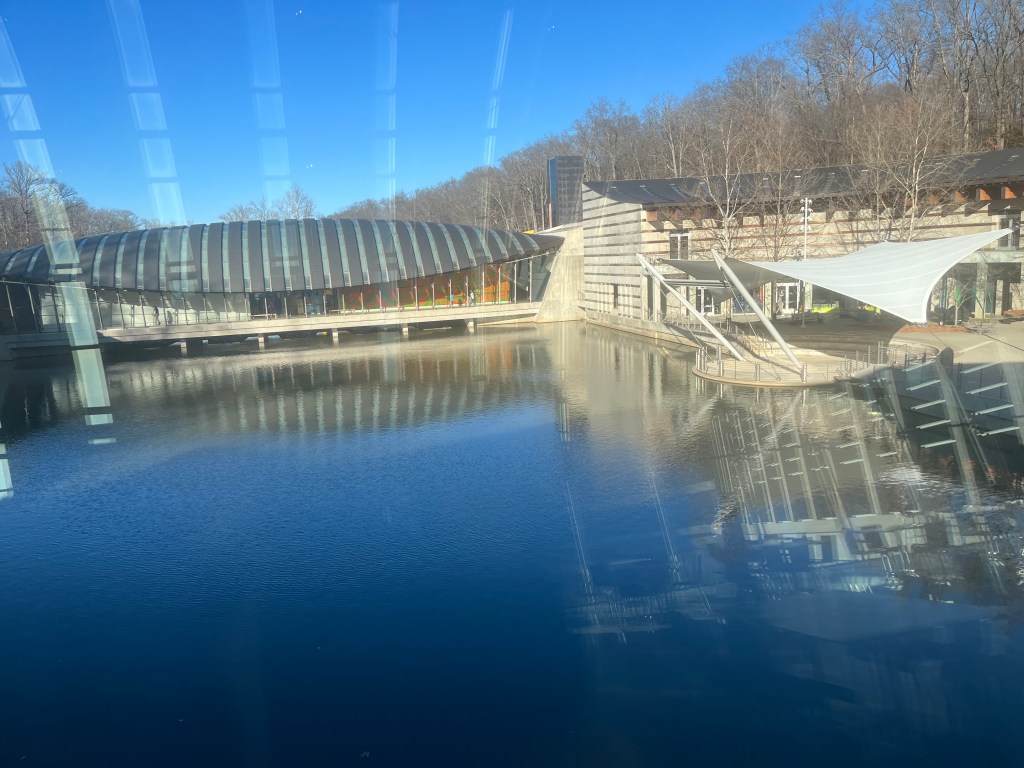
The Ozark Mountains are backwoods: cabins and old homesteads and quilts and jelly and country stores. The cities of northwest Arkansas –– Fayetteville, Bentonville, Springdale, Johnson –– are just the opposite. They offer the best the US has to offer … to those who manage to get their fingers into the largesse pie. New subdivisions sprout as if planted with genetically modified seeds. Brand-new malls and strip malls line the roadways. The Museum of the Ozarks is beautifully curated, new, and totally free, a gift of the city of Springdale. Alice Walton’s Crystal Bridges Museum of American Art is also free and home to a memorable collection of American art. The beautiful walking/biking bath around Lake Fayetteville is not only well maintained, but in our 1.5-hours there, we moved over for a Department of Public Works sweeper and a leaf blower. The maintenance is impeccable, all supported by tax dollars.


Our time at the University of Arkansas seemed typical of our travel style. We googled “Museums at the University of Arkansas.” The search revealed a cool-looking museum of archeology. Google maps sort-of took us there; it led us to an area in the ag-portion of the university with a bunch of modest newish-looking sign-free buildings connected by empty parking lots. (It was January 3, so school was not yet back in session.) We wandered around a few of the buildings until we encountered a maintenance crew. They directed us to the “museum.” 

Once inside, we encountered no one, so we found the rest rooms on our own. Once relieved, a really nice woman appeared and asked if she could help. We explained why we were there. She let us know that the museum was not open to the public, and the collection of artifacts was not accessible. She also offered to see if anyone might be willing to spend some time speaking with us. Since Rebecca had left her phone in the car, and the car was several parking lots away, we said we’d be back in a few minutes, after we retrieved the phone and moved the car.

Five minutes later, we learned that the museum curator would be happy to meet with us … in 45 minutes … and in the meantime, the state archeologist would be happy to meet. We could not possibly have had a better time!

Dr. Mel Zabecki, the state archeologist helped us immensely with our effort to distinguish between antiquity and the modern era: ancient cultures, pre-Columbian Mississippian Mound Cultures, modern native nations indigenous to Arkansas, and modern nations that moved through Arkansas to Oklahoma as part of the Trail of Tears. She also reminded us of the sensitivity required for a non-native professional to stay authentically and mindfully respectful of the indigenous. The really good news is that despite the enormity of the task, she seems genuinely committed to doing the best job she can. Thank you for your time and insights, Mel. We loved our time together and cannot wait to share the book you gave us with our horticulturist grandson!

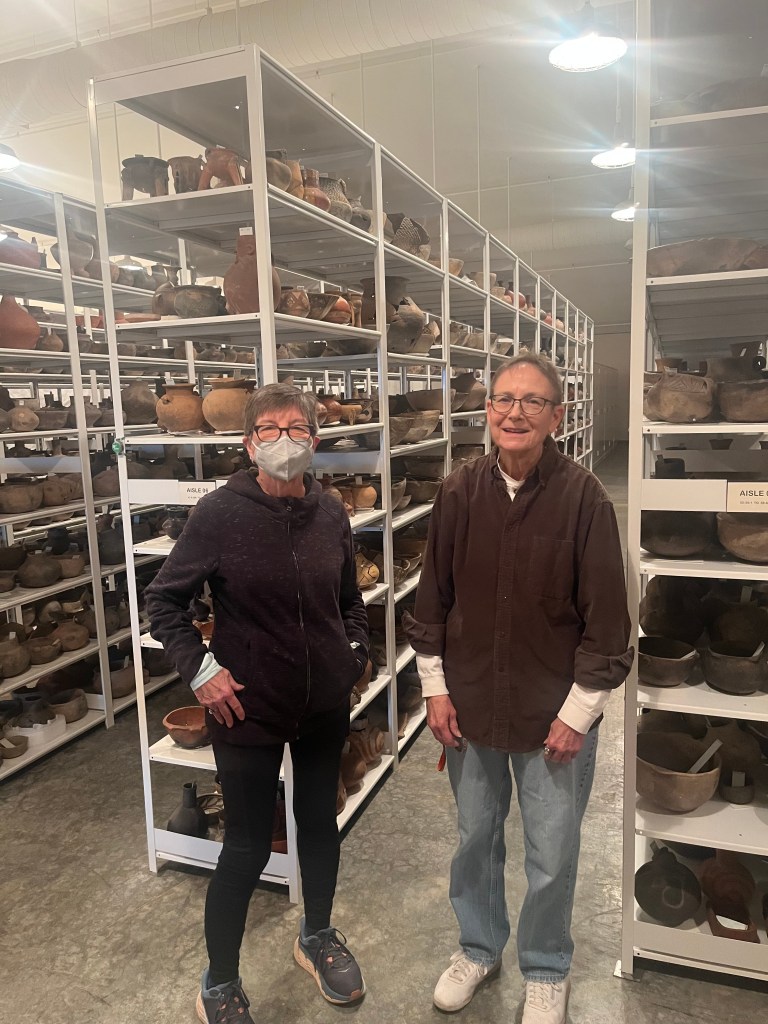
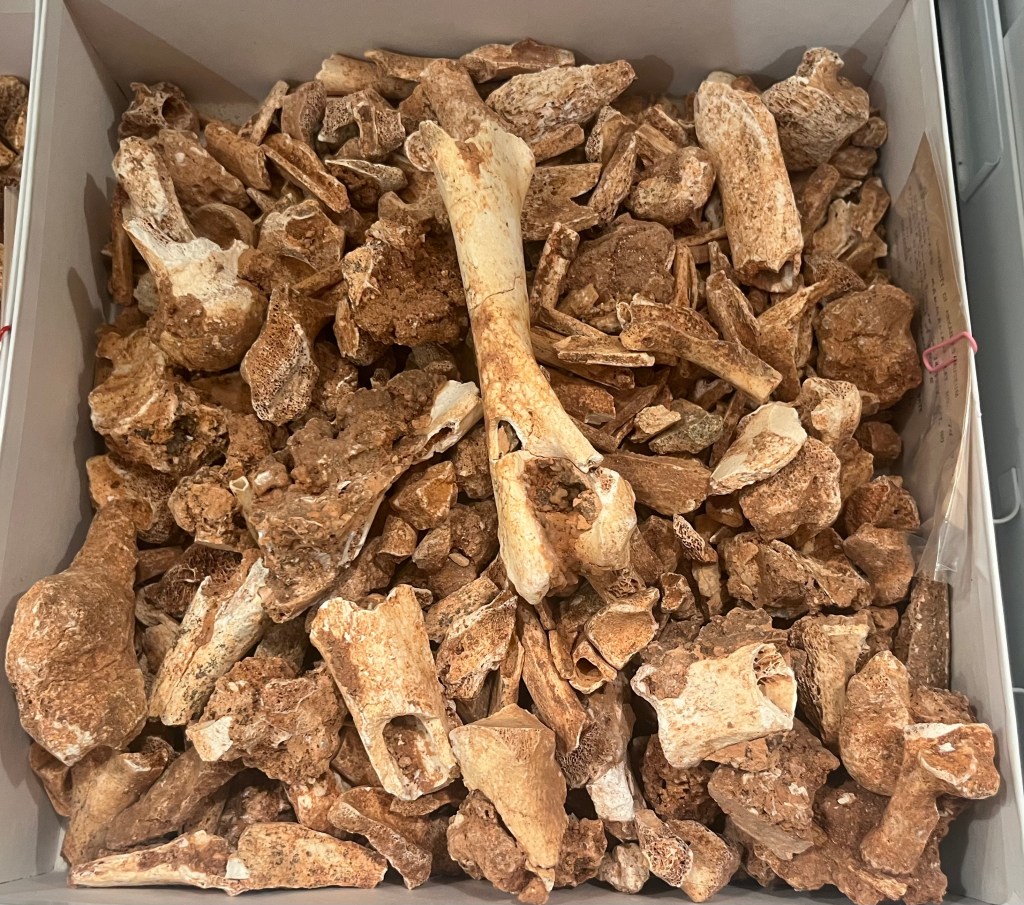
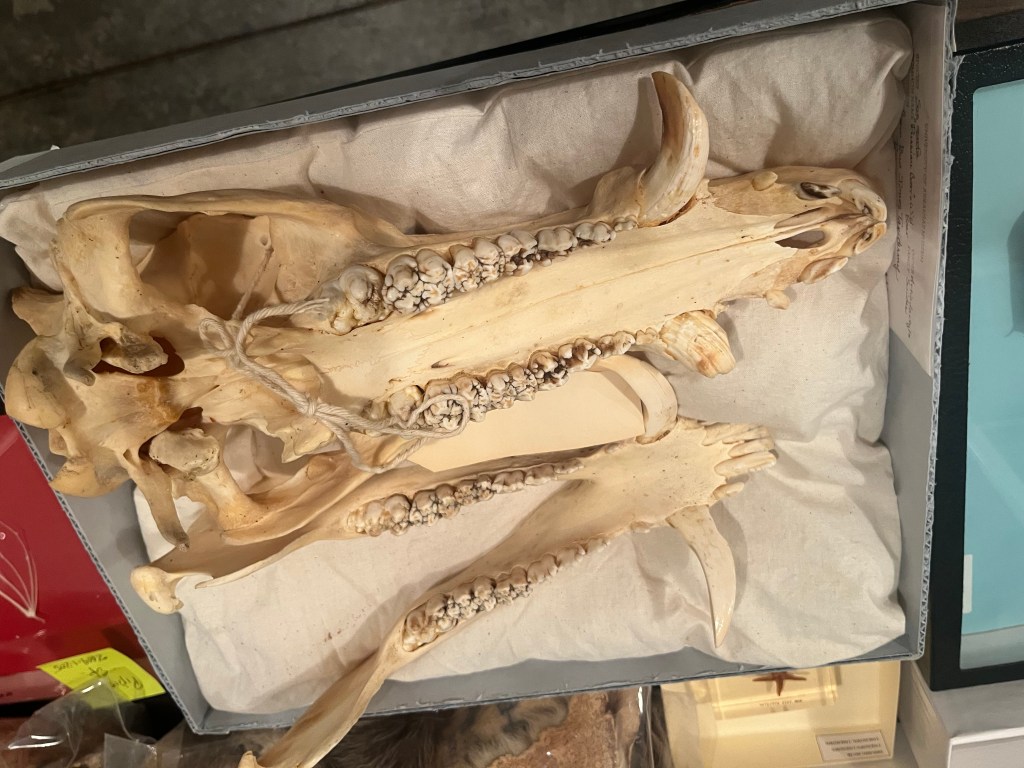
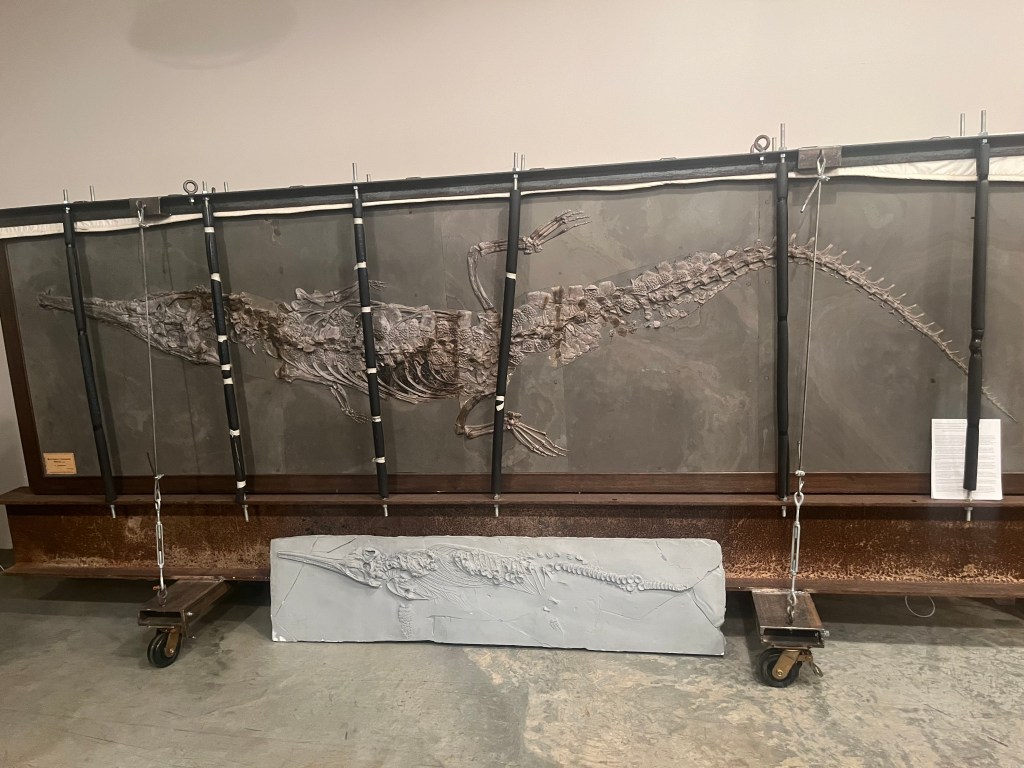
Dr. Mary Suter, the museum’s Curator of Collections, brought us into the heart of the collection. She literally knows every piece … and there are many thousands of them. There are fossils, bones, tools, artwork, iconography, and pots and vessels from throughout the world. When I naively asked if she had any favorite items, she politely assured me she did not … and equated the question to asking a parent if he/she has a favorite child. We could have stayed in that collection for days, but we literally felt guilty about taking up so much of her time … despite her amazing willingness to spend the time with us.

Mel and Mary, you are both fantastic professionals and have filled us with joy!


The following day, Wednesday, we braced for a day with the Waltons: Bentonville and Crystal Bridges Museum of American Art. The similarities between Dolly’s Pigeon Forge and Sam’s Bentonville stayed relevant. The northwest corner of the state is wealthy and unashamed.

Crystal Bridges is a really credible museum, but nothing about it blew my mind. It is great for the region, and the region deserves nothing less.


One aspect of Crystal Bridges and Bentonville disturbed me. I do not want to indict or be too woke, and I have a data point of one day: January 4, 2023. Subdivisions, booming construction, and all other signs of prosperity notwithstanding, we have seen no people of color (other than the Hispanic road crews and construction workers). The whiteness feels more like Vermont than Vermont. Are there truly two racial worlds in northwestern Arkansas? I don’t know. I am not sure I have ever seen anything quite like it. I wish I had more knowledge and more wisdom. Something is weird. That is the best I can do.

So be it. Northwest Arkansas is about to be history. We leave on Thursday for Oklahoma and Cherokee Nation.

During our time in Bentonville, we visited the Museum of Native American History, a little gem of a museum. It is the first Native American museum we have visited that drove home the complexity of the history we are about to engage. North American Native American “history” entails the “Paleo” period (14,000 – 10,000 years ago), the “Archaic” period (10,000 – 3,000 years ago, the “Woodland” period (3,000 – 1,100 years ago), the “Mississippian” period (1,100 – 650 years ago, and the “Historic” period (650 – 200 years ago). After that, we are in modern-ish history. The Indian Removal Act under Andrew Jackson that resulted in the Trail of Tears took place in 1830, less than 200 years ago. “Tribes,” “Nations,” and modern US history are all blurring together. We are about to dive into that world. Our naivete is overwhelming. Stay tuned. I’ll bet we learn A LOT of really interesting stuff!

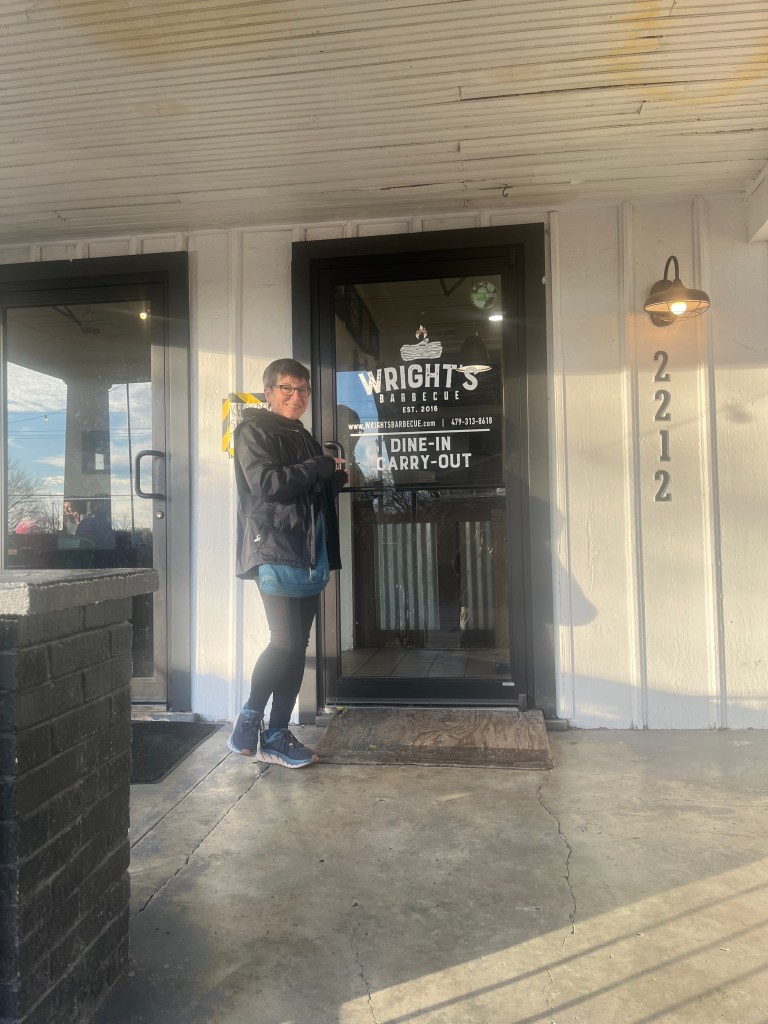
Oh yeah, one last thing, we ate the best ribs of the trip so far at Wright’s BBQ in Johnson and then thoroughly enjoyed sone genuine Arkansas catfish at the Flying Fish in Bentonville. (I have TWO Billy Bass trophies in my basement. If I donate both of them to the Adoption Center, I get two plates of fried catfish. Despite all I have just said, it might be worth another trip.)